Short answer: hydration and moisturising aren't the same thing. Hydration is about the water in your skin. Moisturiser mostly softens the surface and slows that water from escaping. Skin that looks dull and feels tight, even in humid weather, usually needs both, plus sunscreen and a gentle routine.
What is the difference between hydration and moisturising?
Skincare generally sorts ingredients by what they do to the top layer of your skin. Most moisturisers mix all three types:
- Humectants such as glycerin, hyaluronic acid and aloe attract water into the top layer of skin. These are the "hydrating" ingredients.
- Emollients such as ceramides, squalane and plant oils fill in rough patches and make skin feel soft and smooth.
- Occlusives such as petrolatum, shea butter and dimethicone form a light film that slows water loss.
A rich cream with lots of occlusives can feel comforting and still leave skin looking flat if there is little water underneath. A watery serum on its own can feel refreshing, but the water may evaporate quickly without something on top. That's why the order and the pairing matter.
Is your skin dry or dehydrated?
These two words get used interchangeably, but they describe different things. Knowing which one you are dealing with helps you pick products that actually help.
| Dry skin | Dehydrated skin | |
|---|---|---|
| What it is | A skin type that makes less oil | A temporary lack of water in the skin |
| How it feels | Rough, flaky, sometimes itchy | Tight, dull, fine lines look more visible |
| Can oily skin have it? | No, by definition | Yes, often |
| Common triggers | Genetics, age, cold dry air | AC, sun, harsh cleansers, over-exfoliating, hot showers |
| What usually helps | Richer creams with emollients and occlusives | Humectant serums on damp skin, sealed with a moisturiser |
Oily or combination skin that feels tight after cleansing, yet gets shiny by lunchtime, is a classic sign of dehydration. Many people respond by scrubbing harder, which usually makes it worse.
Why does Indian weather make hydration tricky?
India's climate swings hard between seasons and cities, and each extreme pulls water from your skin in a different way.
- Humid summers: skin feels sticky, so moisturiser gets skipped. Then long hours in air-conditioning dry out the surface.
- Strong sun: UV exposure is high for much of the year, and sun-stressed skin tends to look duller and feel tighter.
- North Indian winters: cold, dry air outside and hot water inside strip skin quickly.
- Monsoon: heavy creams can feel suffocating, so lighter gel textures are easier to keep using.
- Hard water in many homes can leave skin feeling tight after washing.
There is no single product that fixes this. What helps is adjusting textures with the season while keeping the same basic steps.
How do you build a hydration-first routine?
- Cleanse gently. Use a mild cleanser and lukewarm water. "Squeaky clean" usually means stripped.
- Apply a hydrating serum on slightly damp skin. Humectants work better when there is water on the skin to hold on to.
- Seal it in with a moisturiser. A gel in summer and monsoon, a cream in winter. Apply it within a minute or two of the serum.
- Use sunscreen every morning. Reapply if you are outdoors for long. It's the step most people skip.
- Go easy on exfoliants. Strong acids or scrubs used too often can leave skin tight and sensitive. Two or three times a week is plenty for most people.
- Be consistent. Skin needs a few weeks of steady care to look different. Changing products every few days makes it hard to tell what's working.
Where do skincare tools fit in?
We make tools, not creams. Tools don't add hydration on their own, but they can make your routine more pleasant, help products spread evenly and give your skin a fresher, more even-looking finish. You'll find them all in our face care tools collection.
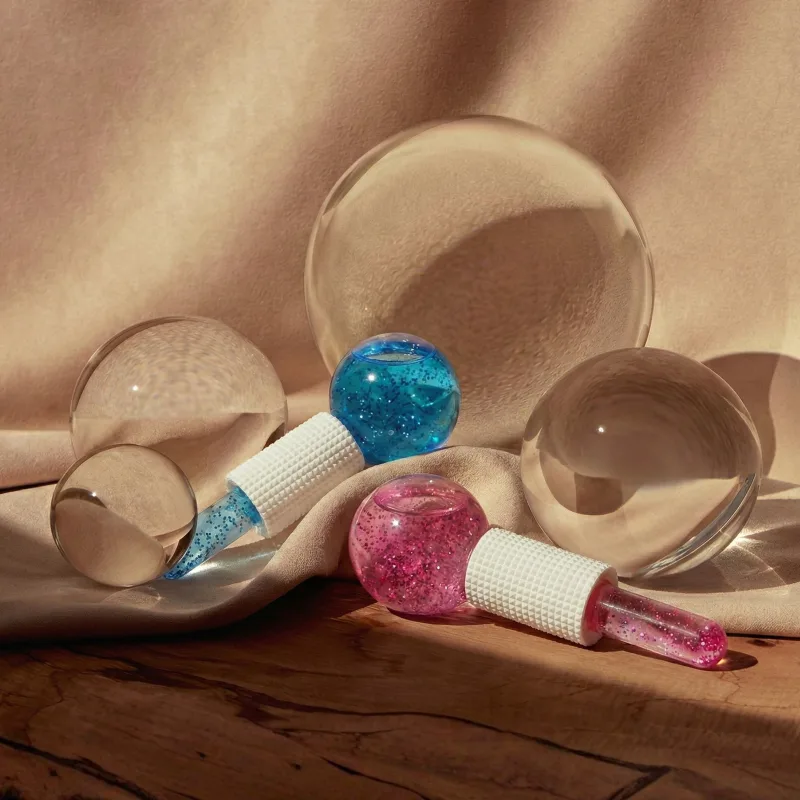
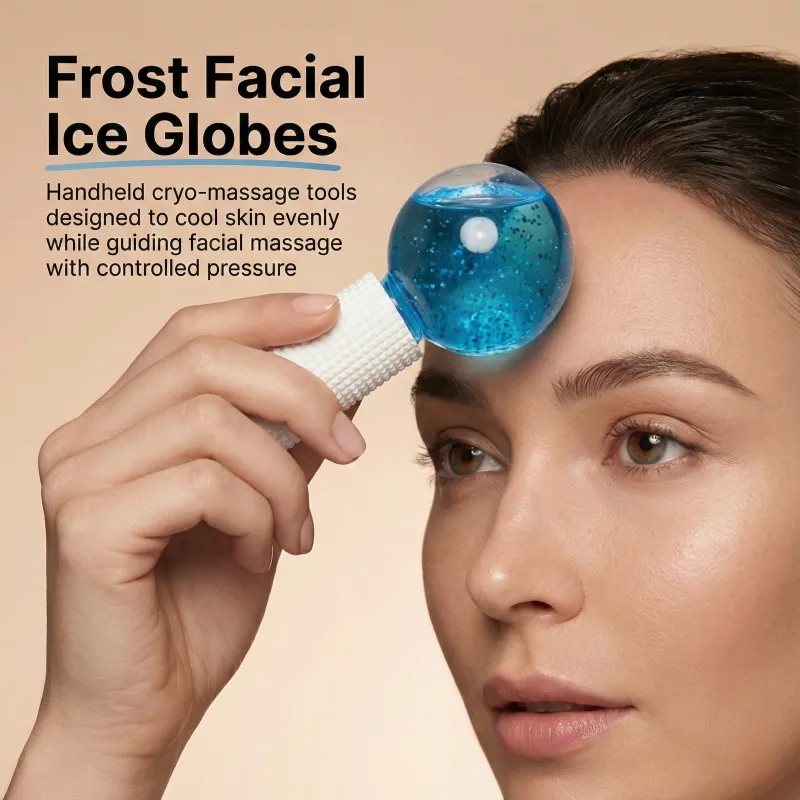
- Ice globes: chilled Frost ice globes glided over serum help depuff the look of morning skin and feel calming after a long, hot day.
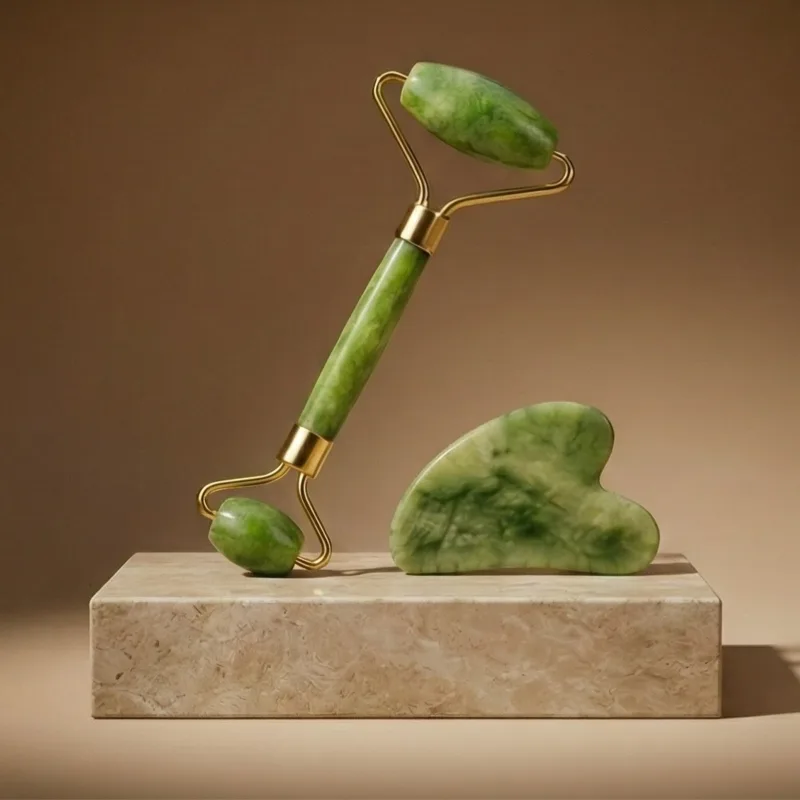
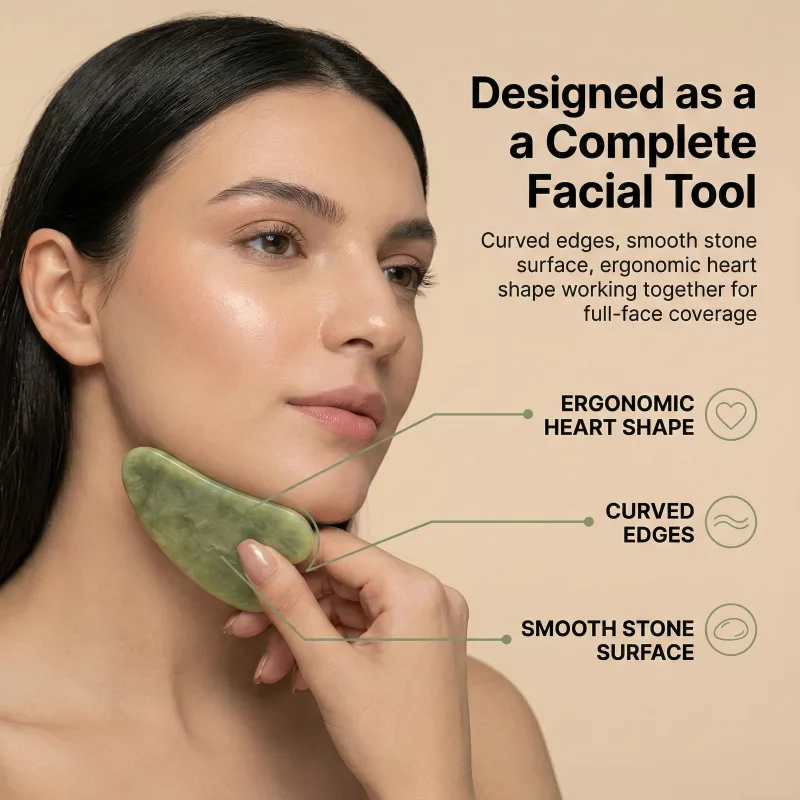
- Jade roller and gua sha: a jade roller and gua sha set helps your serum or face oil spread evenly and turns application into a relaxing five-minute massage.
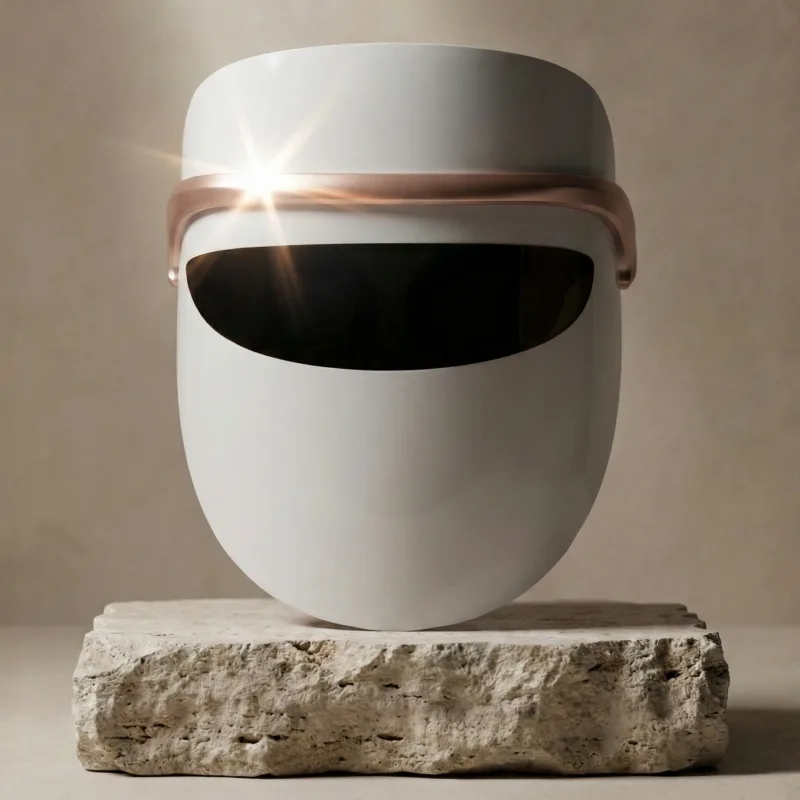
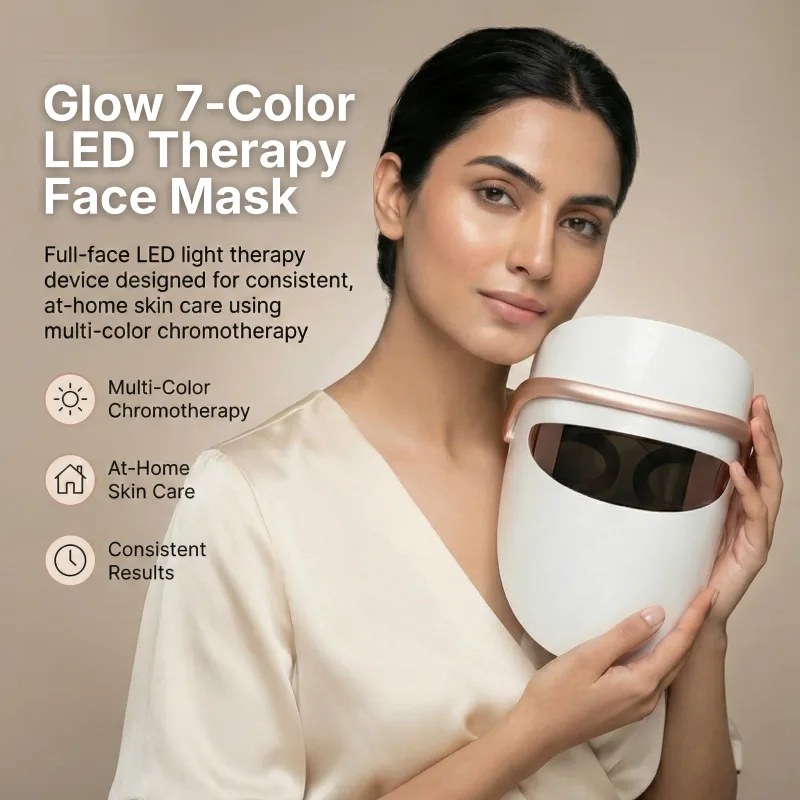
- LED mask: used on clean, dry skin before your serum and moisturiser, an LED mask helps improve the look of dull or uneven skin over several weeks. Our LED face mask guide explains what each colour is used for and who should avoid it.
A simple 5-minute evening routine with tools
- Cleanse and pat skin until it's just damp.
- Apply a few drops of hydrating serum.
- Glide a chilled roller or ice globes outward from the centre of your face for a minute or two.
- Seal with your moisturiser, then use the gua sha with light upward strokes along the jaw and cheeks.
How to use face tools safely
- Keep ice globes and rollers moving. Don't hold them still on one spot.
- Let ice globes rest for a minute if they come straight out of the freezer.
- Skip tools on broken skin or active breakouts. With rosacea or very sensitive skin, use feather-light pressure.
- Wash tools with mild soap and water and dry them after every use.
When should you see a dermatologist?
A good routine helps most everyday dryness and dullness. But please see a dermatologist if you have skin that cracks or bleeds, itchy red patches that keep coming back, sudden changes you can't explain, or if you use prescription skincare such as isotretinoin or strong retinoids. Tools and moisturisers are not a substitute for medical advice.
The bottom line
Glow comes from water held in the skin, a surface that isn't stripped, and daily sun protection. Match your textures to the season, apply hydrating layers on damp skin, seal them in, and give it a few weeks. Tools are a pleasant extra, not a shortcut.
Results vary from person to person. Not sure what suits your skin? WhatsApp us. We'll tell you honestly.