
Short answer: smooth skin lasts longer when you work with your hair's growth cycle instead of against it. Shaving cuts hair at the surface. Waxing pulls it out, but the root grows a new one. IPL uses light to weaken the follicle, so over repeated sessions regrowth becomes slower, finer and patchier. None of these methods removes hair for good.
Why does hair keep growing back?
Every hair grows from a follicle, a tiny pocket in the skin with a root at its base. The root is where new hair cells form, and it's also where pigment (melanin) is added to give hair its colour.
As long as the follicle is healthy, it keeps producing hair. That's why removing the visible part, or even pulling the whole hair out, only buys you time. To slow regrowth, you have to affect the follicle itself.
What is the hair growth cycle?
Hairs don't all grow at once. Each follicle moves through its own cycle, so at any moment the hairs in one area are at different stages. That single fact explains most of what IPL needs from you.
| Phase | What's happening | What it means for IPL |
|---|---|---|
| Growth (anagen) | The hair is actively growing, firmly attached to its root and rich in pigment | The phase IPL targets best |
| Transition (catagen) | Growth stops and the hair begins to detach from its root | Responds less well |
| Rest (telogen) | The old hair rests and eventually sheds; a new hair starts to form | Little to target until the next hair grows |
Because only some hairs are in the growth phase during any one session, a single IPL session can never reach them all. You need a series of sessions to catch each follicle when it's ready.
Why do shaving and waxing only work for a while?
Shaving cuts hair at the skin's surface. The root is untouched, so stubble appears within days. It doesn't make hair thicker. A cut hair just has a blunter tip, so it can feel coarser.
Waxing and threading pull the hair out from the root, so smoothness lasts a few weeks. But the follicle remains, and it grows a new hair on its normal schedule.
That's also why you should never wax, thread or pluck between IPL sessions. IPL needs the hair in the follicle to absorb light. Shaving is the right prep because it leaves the root in place.
How does IPL actually work?
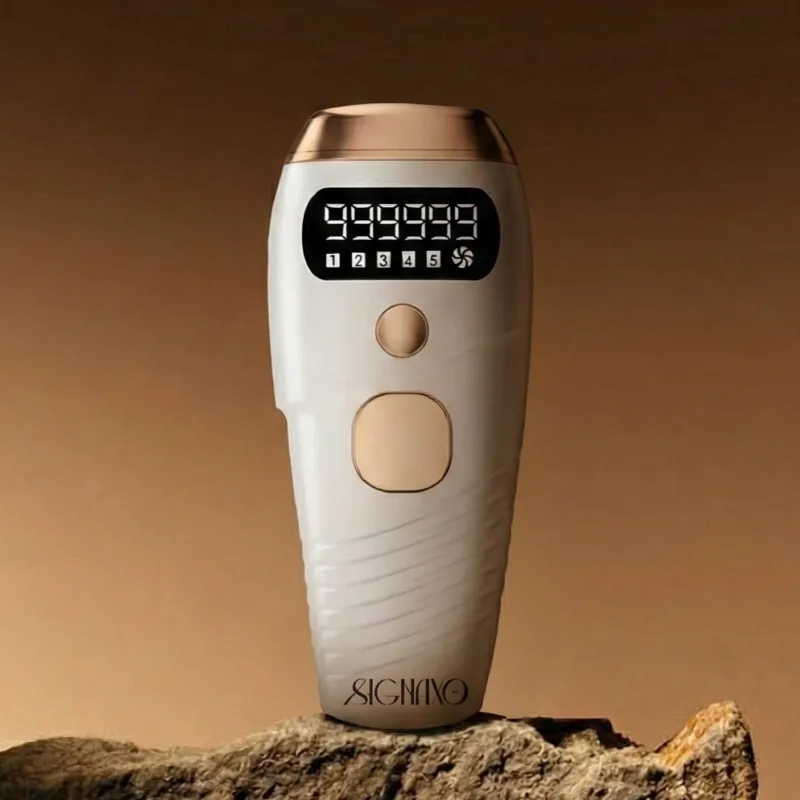
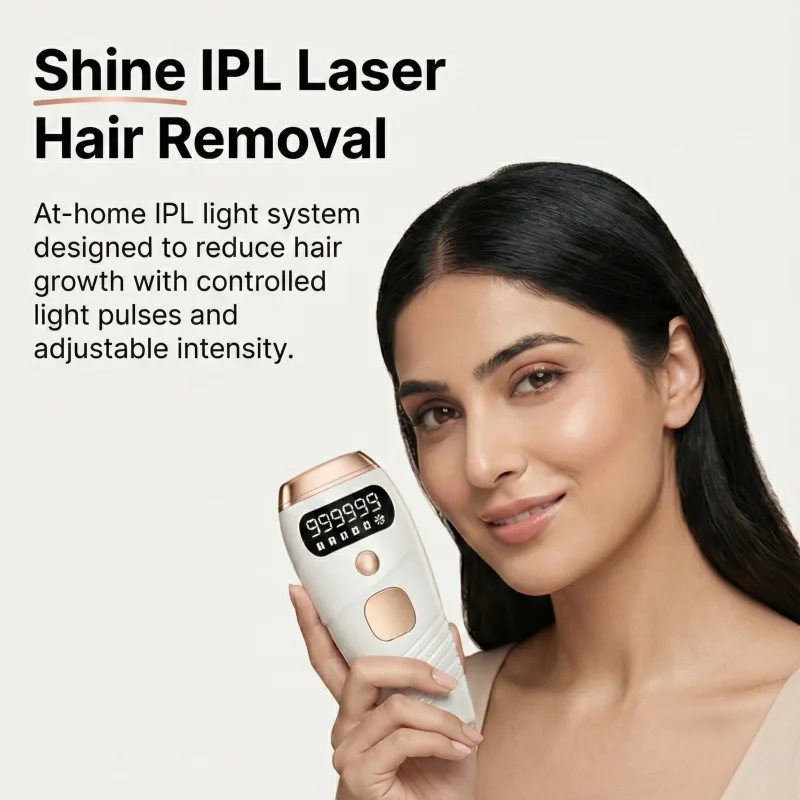
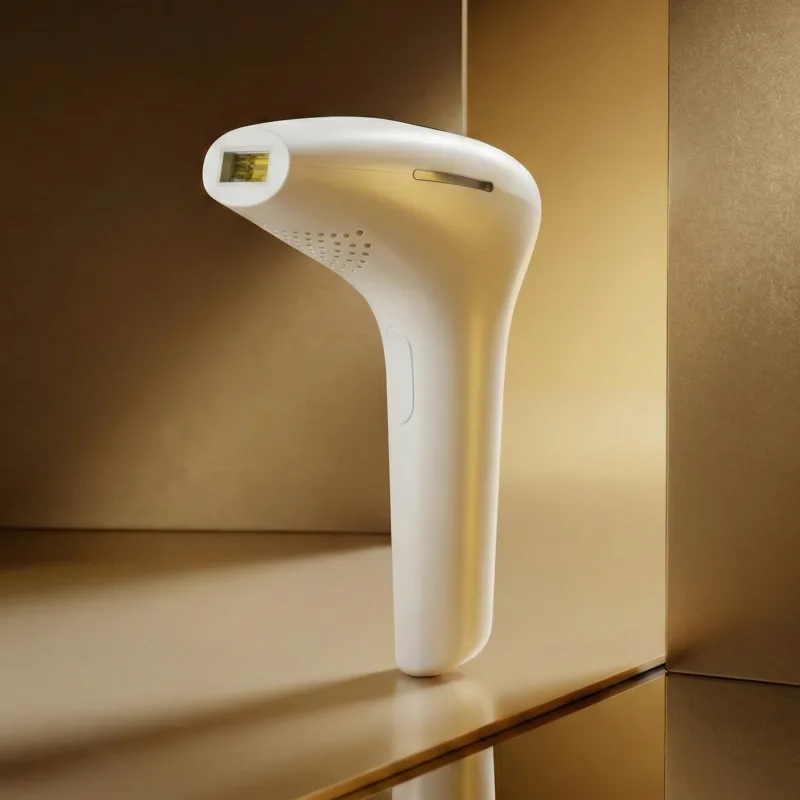
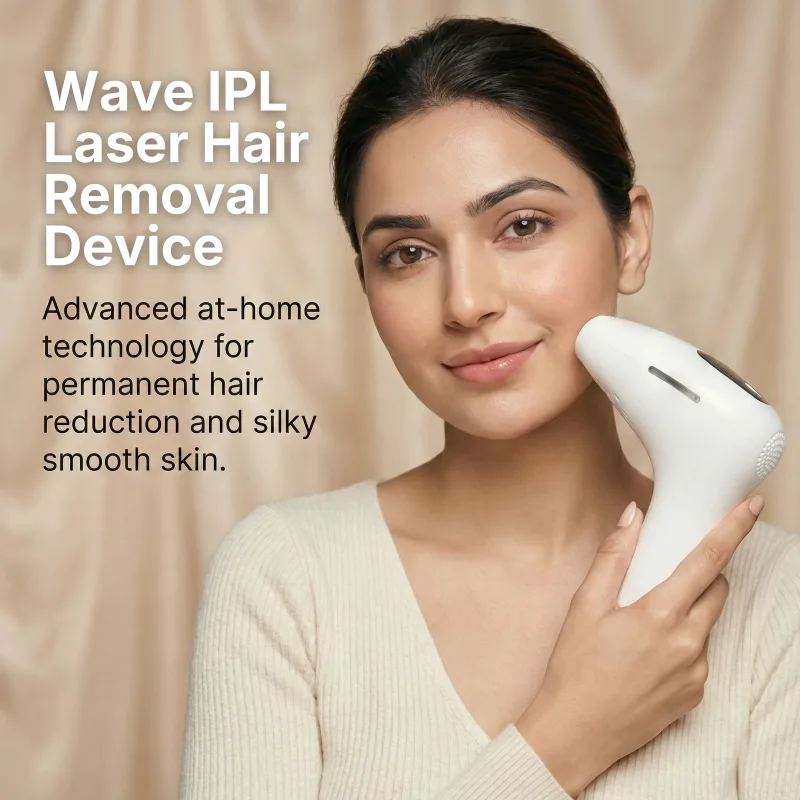
IPL stands for intense pulsed light. An IPL device releases a short flash of broad-spectrum light. Pigment in the hair absorbs that light and turns it into heat, which travels down to the follicle and weakens it.
A weakened follicle produces hair more slowly, and the hair tends to be finer and lighter. Over several sessions, that shows up as patchier, slower regrowth. You can see our at-home IPL devices here, but first, it helps to understand why IPL suits some people and not others.
Why do skin tone and hair colour matter so much?
IPL works on contrast. Dark hair on lighter skin is ideal because the hair absorbs most of the light while the skin absorbs relatively little.
- Blonde, red, grey or white hair has too little pigment to absorb enough light, so IPL doesn't work well.
- Very deep skin contains so much pigment that the skin competes with the hair for the light. That raises the risk of burns and dark marks, which is why IPL isn't suitable for Type VI skin and needs extra caution on Type V.
- Tanned skin has temporarily more pigment, so you should wait until a tan fades before treating.
Indian skin tones span a wide range, from very fair to deep brown, so this check matters. The free IPL skin-tone checker walks you through it in three questions.
Is IPL the same as laser?
No. A clinic laser uses a single wavelength of light and is more powerful, which is why it's used under supervision. IPL uses a broader spread of light at lower power, which makes it suitable for home use on the right skin. Home IPL devices are often sold as "IPL laser", but they are IPL.
Why every 2 weeks for 12 weeks?
The fortnightly schedule is about timing. Treating every 2 weeks means each session catches a fresh group of hairs as they enter the growth phase. Over roughly 12 weeks, most follicles in the area get treated at the right moment.
Using IPL more often doesn't speed things up. The hairs that aren't in the growth phase still won't respond, and extra sessions can irritate the skin. Our 12-week IPL session plan lays out each session and what to expect.
Why do some areas take longer?
Hormones play a big role in hair growth. Areas driven by hormones, such as the chin, jawline and upper lip, often respond more slowly and need longer or ongoing touch-ups. This is especially true for people with hormonal conditions like PCOS, who should also speak to their doctor about the underlying cause.
Finer or lighter hair also responds more slowly, because it has less pigment to absorb light. Our guide to IPL for face and upper lip covers what to expect on hormonal facial hair.
Why do you need monthly touch-ups?
IPL reduces hair. It doesn't guarantee that every follicle stays inactive for good. Some hairs can return over time, particularly with hormonal changes. A touch-up session about once a month after the first 12 weeks keeps regrowth in check. Most people find this easy to fit in once the main course is done.
What about bumps, ingrown hairs and blackheads?
Smooth skin is about texture as well as hair. A few habits help:
- Shave with a sharp blade and some gel, in the direction of growth on sensitive areas, to reduce razor bumps.
- Exfoliate gently a couple of times a week to help prevent ingrown hairs, but not within 24 hours after an IPL session.
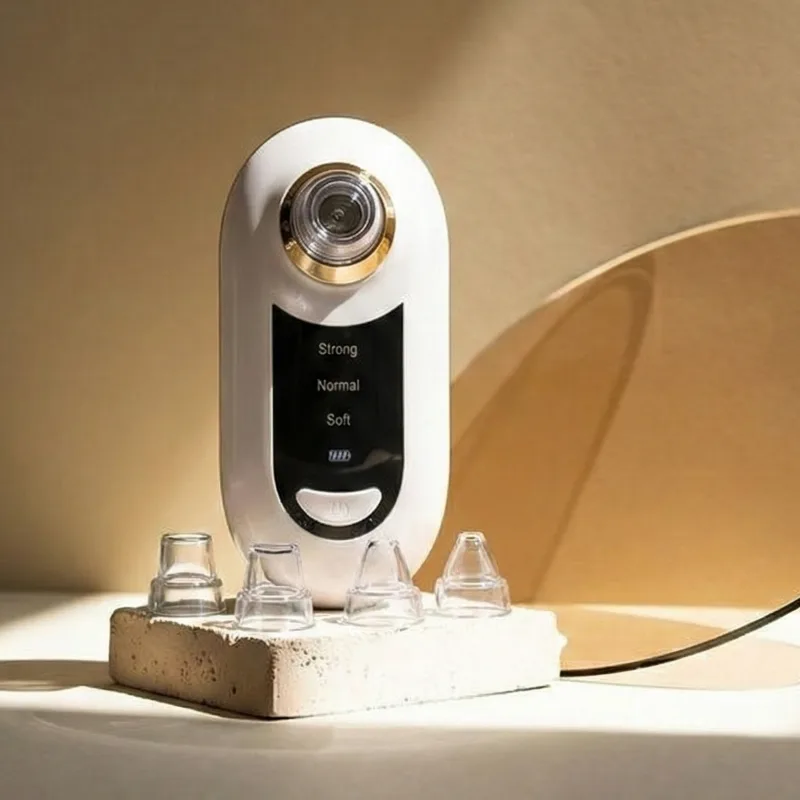
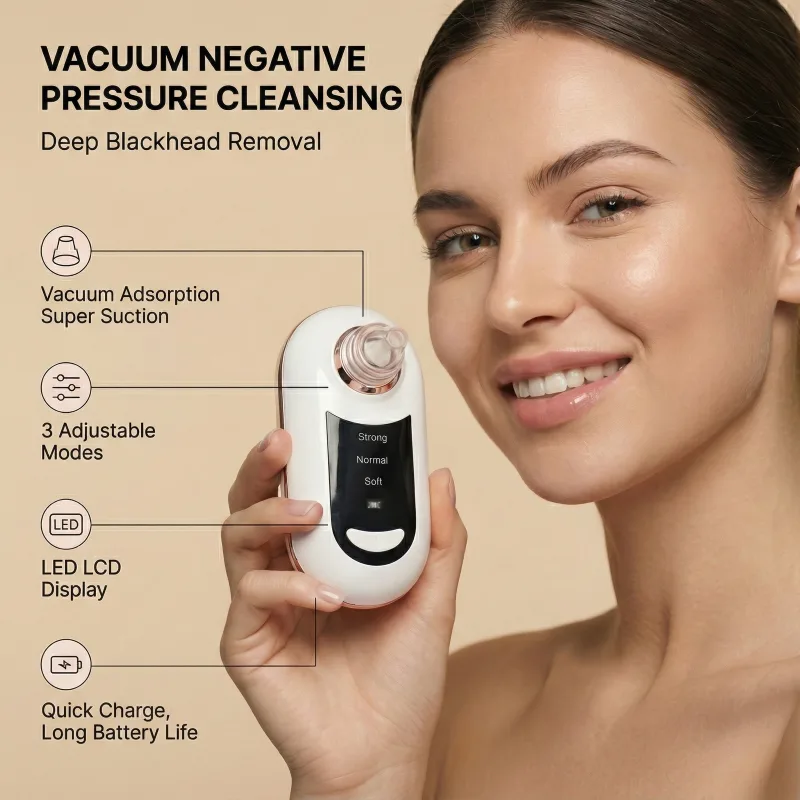
- For blackheads on the nose and T-zone, a gentle suction tool like the ClearPore blackhead remover helps lift oil and blackheads. Start on the lowest suction, keep it moving and don't hold it on one spot.
Who should not use IPL?
- Very deep brown to black skin (Type VI), or blonde, red, grey or white hair.
- Deep brown skin (Type V) only after a patch test on the lowest level, with a 24–48 hour wait.
- Never on tattoos, dark moles, tanned or broken skin, or near the eyes.
- If you're pregnant, breastfeeding or take photosensitising medication, ask your doctor first.
The bottom line
Lasting smooth skin isn't about a stronger razor or a more painful wax. It's about working with the growth cycle: shave instead of pulling, treat every 2 weeks for 12 weeks, then touch up monthly. Results vary with skin tone, hair colour, hormones and consistency.
Not sure if IPL suits you? WhatsApp us a photo. We'll tell you honestly.