Short answer: shave the area, patch-test on the lowest level and wait 24 hours, then use your IPL once every 2 weeks for 12 weeks. After that, touch up about once a month. Many people notice finer, slower, patchier regrowth by session 4–6. Hormonal areas take longer, and results vary.
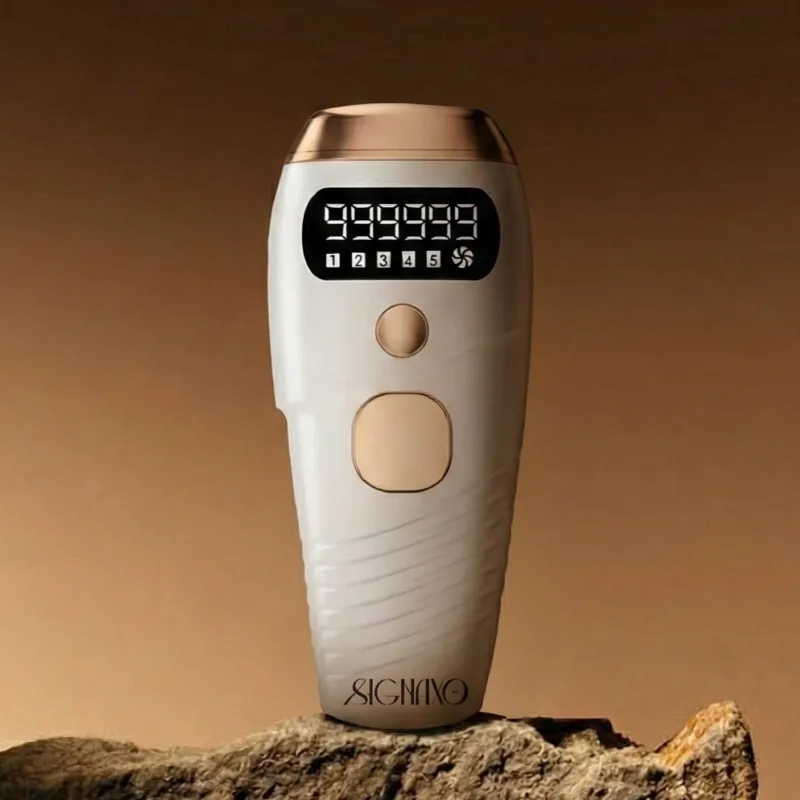
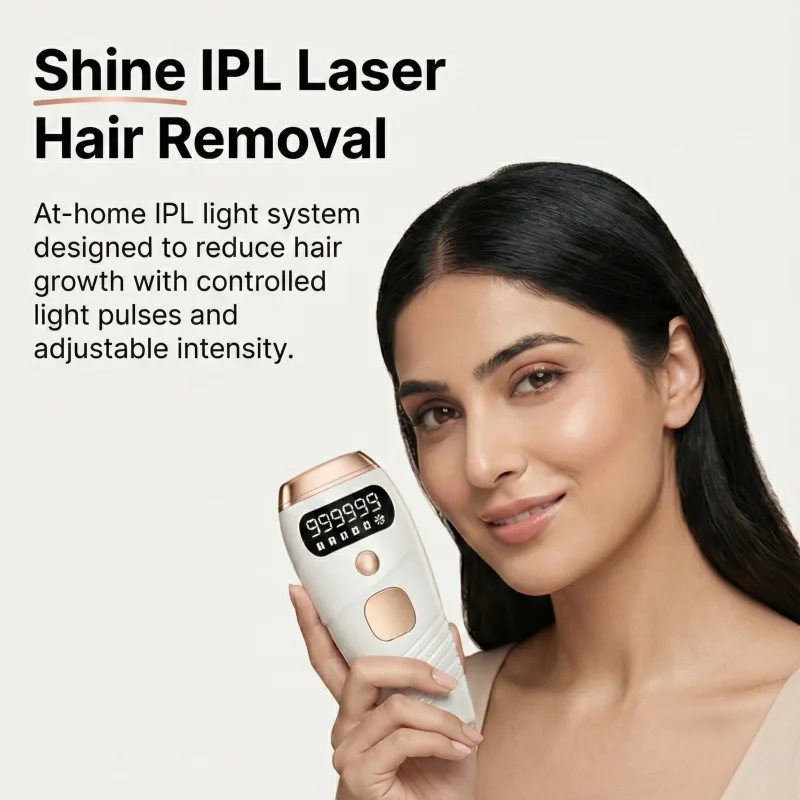
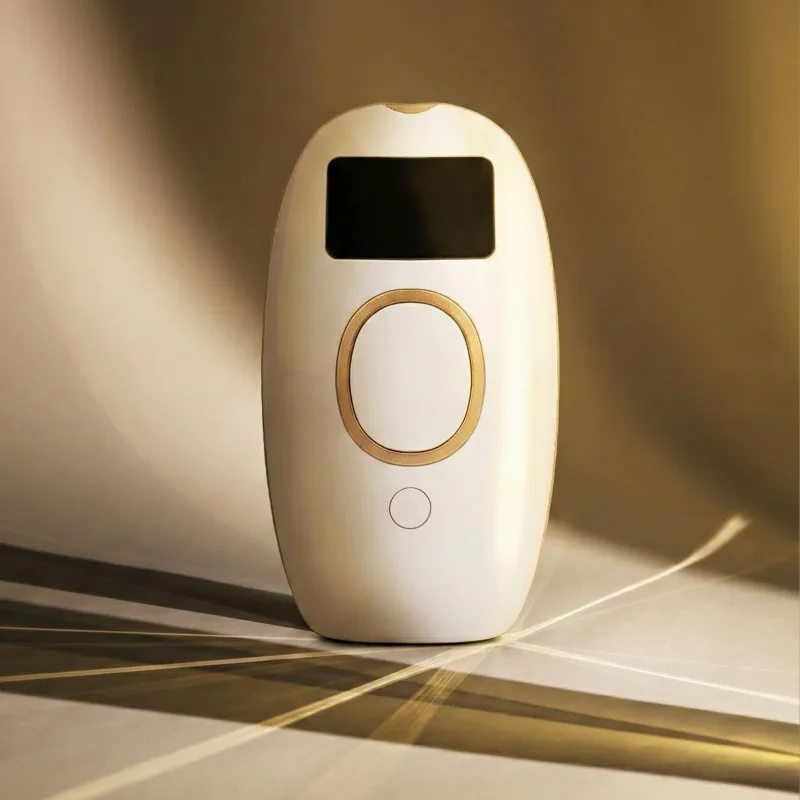
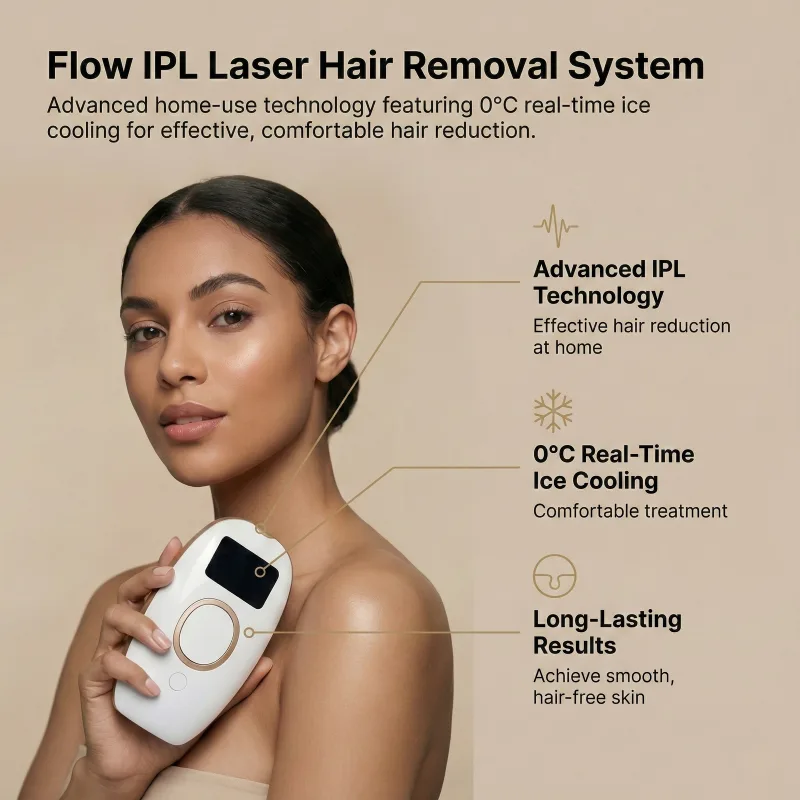
This guide works for any at-home IPL device, including the three in our IPL hair removal collection. Always read your device's manual alongside it, because levels and modes differ between models.
Before you start: is IPL right for your skin?
IPL works by targeting the pigment in hair, so it needs contrast between your hair and your skin. Before you flash anything, check both.
- Types I–II: very fair, always burns in the sun.
- Type III: fair to wheatish, sometimes burns.
- Type IV: wheatish to medium brown, rarely burns.
- Type V: deep brown, very rarely burns. Extra caution needed.
- Type VI: very deep brown to black. IPL is not suitable.
Check your inner arm in daylight to judge your natural tone, not a tanned area. Then check your hair: black, dark brown and brown hair respond; blonde, red, grey and white hair don't. If you'd like a second opinion, our free IPL skin-tone checker gives you a result in three taps.
How do you do a patch test?
- Shave a small, discreet patch in the area you plan to treat.
- Flash it once on the lowest level.
- Wait 24 hours (24–48 hours for Type V skin).
- If there's nothing beyond mild warmth or slight pinkness that fades, you can start. Increase the level gradually over the next sessions.
- If you see blistering, a burn or a dark mark, stop and don't continue.
How do you use an IPL device, step by step?
- Shave first. Shave the area a few hours before, or the night before if you get razor bumps. Don't wax, thread or pluck. IPL needs the root in place.
- Clean and dry. Skin should be free of lotion, deodorant, oil and makeup.
- Check the skin. Skip any tanned, sunburnt, broken or irritated patches, and cover or avoid tattoos and dark moles.
- Choose your level. Start low. Increase only as far as feels comfortable. Most people feel a warm snap.
- Flash and move. Press the window flat against the skin, flash, then move one window-width along so flashes don't overlap. If your device has an automatic or glide mode, follow the manual for that mode.
- Work in rows. Cover the area in neat lines, like mowing a lawn, so you don't miss patches or flash the same spot twice.
- Finish with aftercare. See the aftercare section below.
Never look directly at the flash, and never flash towards your eyes or into the air.
How long does a session take?
It depends on the area and your device. Small areas like the underarms or upper lip take a few minutes. Full legs take the longest, especially in the first few sessions while you get used to the rhythm. Sessions usually get quicker once you're used to the rhythm.
What does a 12-week IPL schedule look like?
Here is a simple schedule. Pick a fixed day, say every other Sunday, and set a repeating phone reminder so you don't lose track.
| Session | When | Focus | What you may notice |
|---|---|---|---|
| 1 | Week 1 | Patch test the day before, then start on a low level | Nothing yet; this is normal |
| 2 | Week 3 | Raise the level slightly if session 1 felt comfortable | Some treated hairs may shed over the next days |
| 3 | Week 5 | Stay on the highest comfortable level | Regrowth may start to look uneven |
| 4 | Week 7 | Keep the same routine | Many people notice slower, finer regrowth around here |
| 5 | Week 9 | Keep the same routine | Patchier regrowth and longer gaps between shaves |
| 6 | Week 11 | Last fortnightly session | A clearer difference for many; hormonal areas may lag |
| Touch-ups | About monthly from month 4 | One session per area | Keeps regrowth in check |
What results can you expect, week by week?
Weeks 1–12: one session every 2 weeks. The first two sessions rarely show much. That's expected, because IPL only affects hairs that are actively growing at the time of each session.
Around sessions 4–6: most people notice slower, finer, patchier regrowth. You may find you shave less often. Hormonal areas like the chin take longer.
After 3 months: touch up once a month to stay smooth. Some people can stretch this out over time; others need to keep it monthly. Both are normal.
Results vary with skin tone, hair colour, hormones and how consistently you stick to the schedule.
How should you care for your skin after IPL?
- Skip sun, hot showers, saunas and scrubs for 24 hours. Treated skin is more sensitive.
- Use sunscreen on treated areas that see daylight, every day while you're doing IPL. Indian sun is strong most of the year, and tanned skin shouldn't be treated.
- Cool it down. Chilled Frost ice globes soothe any warmth. Keep them moving and let them rest a minute if they come from the freezer.
- Shave only between sessions. No waxing, threading or plucking.
- Mild warmth or slight pinkness is common and usually settles within hours. Blistering, burns or dark marks are not normal. Stop and see a doctor.
Tips for large areas: legs and arms
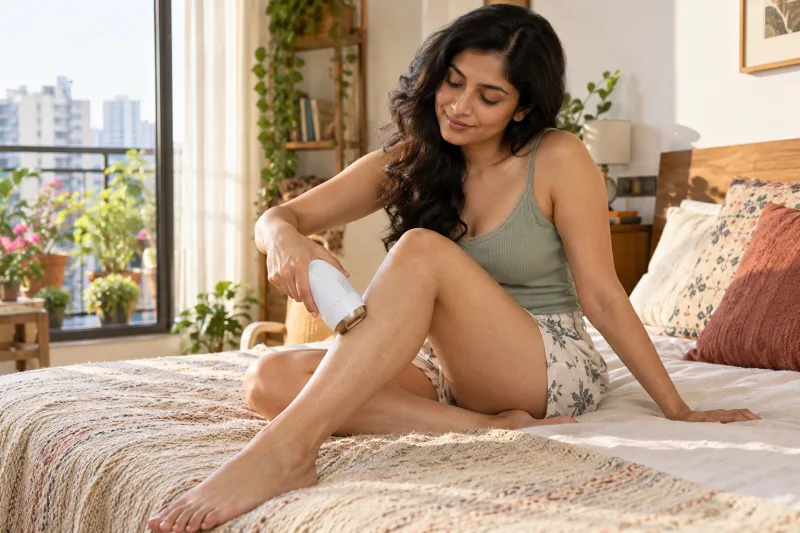
Legs and arms are the most common areas, and also the most time-consuming. A few habits make sessions easier:
- Prep the night before. Shaving both legs takes time. A body trimmer such as the Sharp 5-in-1 trimmer speeds up the first pass before a close shave.
- Start at the ankle and work upwards in straight rows, one section at a time.
- Lower the level on bony areas like shins, knees and ankles, where the snap can feel sharper.
- Split long sessions. Legs one evening, arms the next is fine, as long as each area stays on its 2-week rhythm.
- Keep the device charged or plugged in as your manual advises, so you don't stop halfway.
What are the most common IPL mistakes?
- Waxing or threading between sessions. It removes the root IPL needs. Shave instead.
- Treating tanned skin. After a beach trip or a sunny wedding week, wait until the tan fades, usually about 2 weeks.
- Using it too often. Daily or weekly use doesn't speed results and can irritate skin.
- Overlapping or double flashing. One flash per spot per session.
- Going too high too soon. Build up gradually from the lowest level.
- Stopping after 12 weeks. Without monthly touch-ups, some regrowth returns.
- Flashing over moles or tattoos. Always skip them.
Who should not use IPL?
- Best suited: skin Types I–IV (very fair to wheatish or medium brown) with black, dark brown or brown hair.
- Type V (deep brown): patch-test on the lowest level and wait 24–48 hours. A dermatologist-supervised laser is often the safer choice for deeper skin.
- Not for: Type VI (very deep brown to black) skin, or blonde, red, grey or white hair.
- Never flash: tattoos, dark moles or birthmarks, tanned or sunburnt skin, broken or infected skin, or anywhere near the eyes.
- Ask your doctor first if you are pregnant or breastfeeding, take photosensitising medication (for example isotretinoin or some antibiotics), have epilepsy or light sensitivity, or have eczema or psoriasis in the area.
Treating the face, underarms or bikini line?
These areas need a slightly different approach. Read our guides to IPL for face and upper lip and IPL for underarms and bikini line before you start on them.
Results vary from person to person. Not sure? WhatsApp us a photo. We'll tell you honestly.