
Short answer: To trim your bikini area safely, start with clean, completely dry skin and a clean trimmer with a comb guard attached. Hold the skin taut with your free hand, trim slowly in the direction the hair grows, and leave the hair short rather than bare. Afterwards, clean the trimmer head, rinse with lukewarm water, pat dry and wear loose cotton underwear so the area doesn't stay damp and itchy.
Key takeaways
- Trimming is the gentlest way to tidy the bikini area. It cuts hair above the skin, so it rarely causes the cuts, razor burn or ingrown hairs that close shaving can.
- On sensitive bikini skin, trim with the direction of hair growth and keep the skin pulled taut. Both make nicks much less likely.
- Trim only the outer bikini line and pubic hair. Never trim inside the labia or on the genital mucosa.
- A trimmer is personal. Don't share it, and clean the head after every use.
- Itching after trimming is usually short stubble and dampness. Loose cotton underwear and keeping the area dry help, especially in Indian humidity.
What do you need before trimming your bikini area?
You don't need much, but each item matters for hygiene and comfort:
- A trimmer of your own. Use a rechargeable women's body trimmer with a bikini or body head and a comb guard, not a shared razor or a family hair clipper.
- A comb guard. It keeps the blade a few millimetres off the skin. Hair stays neat and short, and the skin underneath is protected.
- A small hand mirror or a well-lit bathroom. You need to see what you are doing, especially along the crease of the thigh.
- A clean towel and a gentle, fragrance-free moisturiser or plain aloe gel for afterwards.
- A small brush or cotton bud to clean the head, plus whatever the manual recommends for wiping or rinsing it.
Avoid scissors near the skin. They are hard to control in a curved area and are the most common cause of small cuts.
How do you trim your bikini area step by step?
Set aside 10–15 unhurried minutes. Rushing is how nicks happen.
- Wash and dry fully. Bathe or wash the area with plain water or a mild, unscented cleanser, then pat completely dry. Unless your trimmer's manual says it is safe for wet use, trim on dry skin. Dry hair also stands up better and cuts more evenly.
- Check the trimmer. Make sure it is charged, clean and that the blade has no hair or residue stuck in it. Fit the bikini or body head and attach a longer comb guard to start.
- Get into a stable position. Sit on the edge of the bed or bathtub with one leg raised, or stand with one foot on a stool. You need both hands free and a clear view.
- Pull the skin taut. With your free hand, gently stretch the skin flat. Loose, folded skin is what the blade catches.
- Trim slowly with the growth. Move the trimmer in short, light strokes in the direction the hair grows, letting the guard rest flat against the skin. Don't press. Go over an area a second time rather than pushing harder.
- Shape the edges. For a neater bikini line, remove the guard and use the narrow edge of the head only along the outer line where hair would show outside swimwear or underwear. Keep it gentle around the thigh crease, where skin is thin.
- Stop at the outer area. Trim pubic hair and the external bikini line only. Leave the inner labia and genital skin alone.
- Rinse, pat dry and soothe. Rinse off loose hair with lukewarm water, pat (don't rub) dry, and apply a thin layer of fragrance-free moisturiser or aloe gel if the skin feels tight.
- Clean the trimmer. Brush out hair from the head and clean it as the manual directs before storing it in a dry place.
Should you trim or shave the bikini line?
Both work. The difference is how close to the skin you go, and what that costs your skin. If you get bumps every time you shave, our guide on preventing ingrown hairs after shaving explains why. Many people fix those bumps simply by switching to trimming.
| Method | How smooth | Regrowth shows | Risk of cuts and bumps | Best for |
|---|---|---|---|---|
| Trimming with a guard | Short, neat hair | A few days to a week before it looks untidy | Lowest | Regular tidying, sensitive or bump-prone skin |
| Trimmer without guard / shaver head | Very short stubble | About 2–4 days | Low to moderate | Swimwear days, prepping for IPL |
| Razor shaving | Bare skin | 1–2 days, often with prickly stubble | Higher: razor burn, ingrown hairs, nicks | Occasional use on skin that tolerates it |
| Waxing | Bare skin | Usually a few weeks | Pain, redness, bumps in some people | Those who are fine with the discomfort |
If you are on an IPL routine, you need the hair cut close to the skin before each session, but never waxed or plucked. See whether to shave or trim before IPL for how close is close enough.
Why does the bikini area itch after trimming?
A little itching in the first few days is common. Short, blunt hair ends rub against underwear and the skin around them, and the groin area traps heat and sweat. In Indian summers and through the monsoon, that dampness makes it worse.
How to stop itching and bumps
- Leave a little length. Hair trimmed with a guard is softer than stubble cut flush to the skin, so it itches less.
- Keep it dry. Pat dry after bathing and after a sweaty commute or workout. Change out of damp clothes quickly.
- Wear loose cotton underwear for a day or two after trimming, and avoid tight jeans or synthetic leggings if you can.
- Moisturise lightly with something fragrance-free. Skip perfumed lotions, talc with fragrance, deodorant and anything with alcohol on this skin.
- Don't scratch. Scratching can break the skin and let bacteria in, which is how small bumps turn into sore, pus-filled ones.
- Exfoliate gently, not harshly. If you get the odd ingrown hair, a soft cloth in the shower a couple of times a week is enough. Avoid scrubs with sharp particles.
How often should you trim your bikini area?
There is no rule. It depends on how fast your hair grows and how neat you want it. As a rough guide:
| Your goal | How often | Guard |
|---|---|---|
| General tidiness and comfort | Every 1–2 weeks | Longer guard |
| Neat line for swimwear, a trip or a wedding outfit | A day or two before | Guard for the area, no guard just on the outer line |
| Before an IPL session | The evening before each session | Closest setting or shaver head, as close as a shave |
| Sensitive or bump-prone skin | Every 2 weeks, with a guard | Longer guard |
If your skin is still red or itchy from last time, wait until it settles before trimming again.
What should you avoid when trimming down there?
- Sharing a trimmer or razor. Even with family, sharing can pass on skin infections.
- Trimming over broken, inflamed or infected skin, including boils, cuts, cold sores, warts or a rash. Wait until it heals or see a doctor.
- Going against the grain on thin skin. It cuts closer but makes nicks, razor burn and ingrown hairs more likely.
- Pressing hard. Pressure pushes skin into the blade. Let the trimmer do the work.
- Trimming during heavy discharge or a period if it makes hygiene harder. Many people find it easier just after.
- Using a dull or dirty blade. It pulls hair instead of cutting and leaves the skin irritated.
- Applying perfumed products right after, including scented intimate washes, fragranced powders and deodorants.
Choosing and using a women's trimmer at home
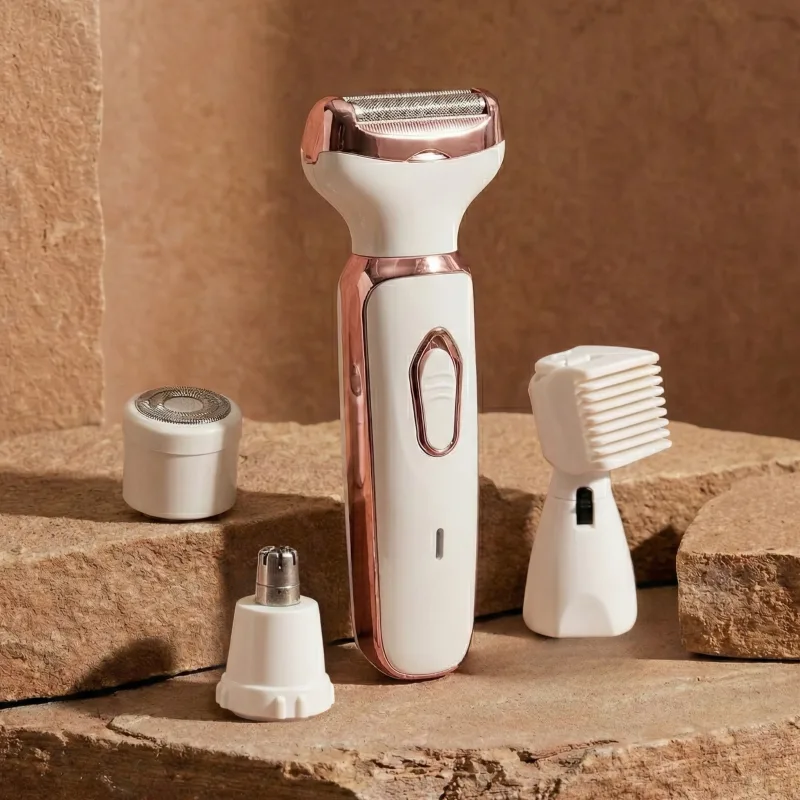
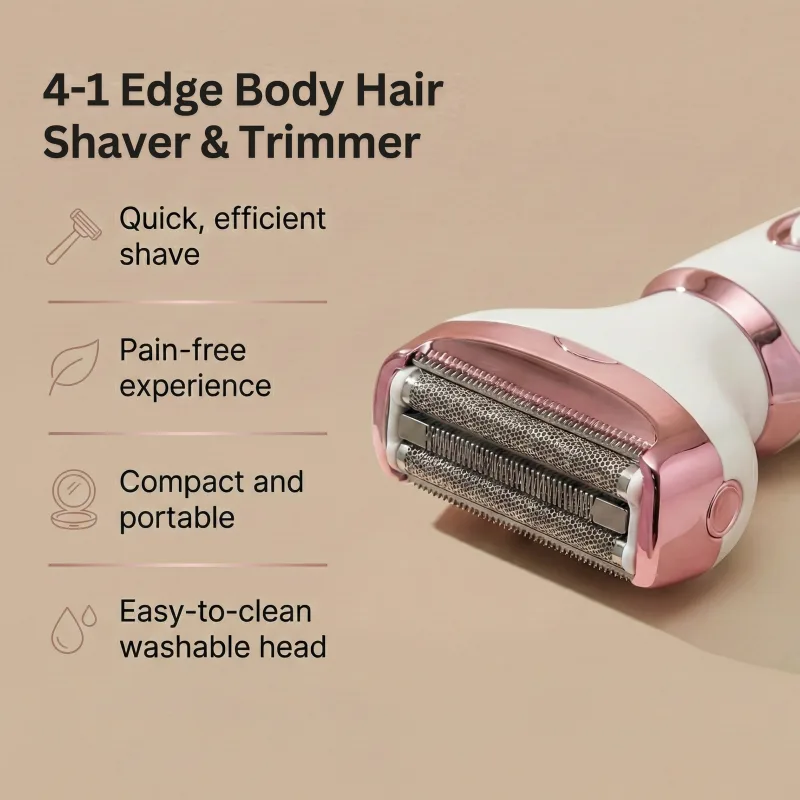
A multi-head body trimmer is the simplest tool for this job because you can switch between a guarded trimmer for length and a narrower head for edges. A rechargeable 4-in-1 such as the Edge body shaver trimmer has heads for face, eyebrows, underarms, bikini line and body. The Sharp 5-in-1 trimmer adds one more attachment if you also want it for brows and face. Both are painless, and regrowth shows in about 2–4 days when you trim close, so plan your trimming around when you need it.
Be realistic about what a trimmer does: it manages hair, it doesn't reduce it. If you are tired of trimming every week and your hair is dark with a skin tone that suits it, at-home IPL can give long-term reduction on the outer bikini line over a few months. Read our gentle guide to IPL for the underarms and bikini line first. It explains why genital skin and noticeably darker skin in this area should be skipped.
When should you see a doctor?
Most post-trimming irritation settles within a few days. See a doctor or dermatologist if you notice:
- painful red lumps, boils or pus-filled bumps that keep coming back
- redness that spreads, feels hot, or comes with fever
- itching with a ring-shaped, scaly or spreading rash in the groin or inner thighs. This can be a fungal infection, which is common in humid weather and needs proper treatment, not more trimming.
- a lump, sore, wart or change in the skin that you weren't aware of before
- cuts that are slow to heal, especially if you have diabetes
Avoid self-treating with steroid creams from a chemist without a doctor's advice. They can make some groin rashes worse.
A calm, clean routine is all bikini trimming really needs: dry skin, a clean blade, taut skin and no rush. If you're wondering whether IPL could save you some of that weekly trimming, try our IPL skin tone checker, or message the Signaxo team on WhatsApp at +91 98116-65715 for help choosing what suits your skin and hair.