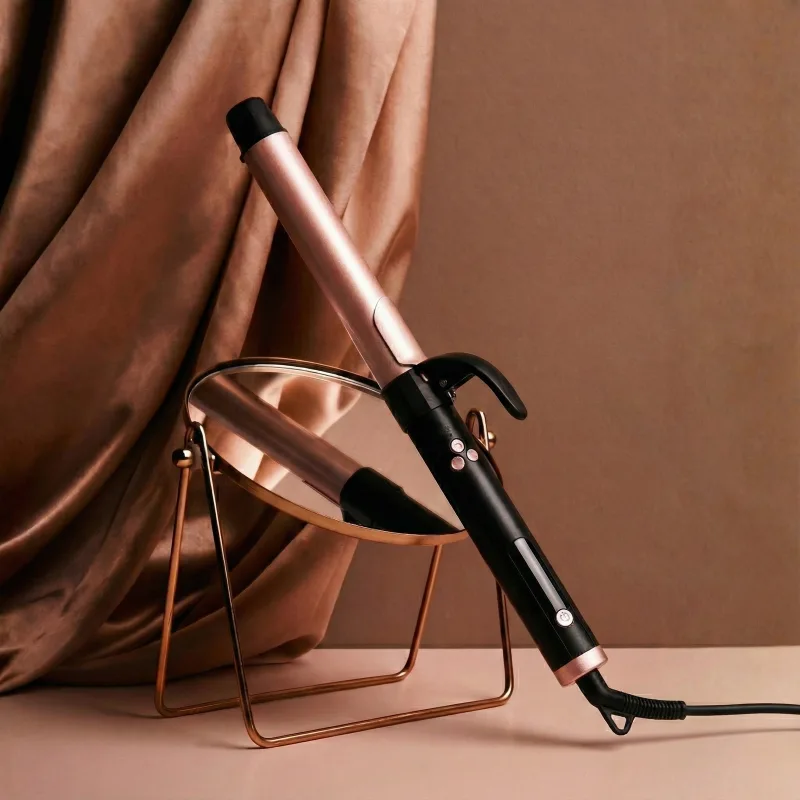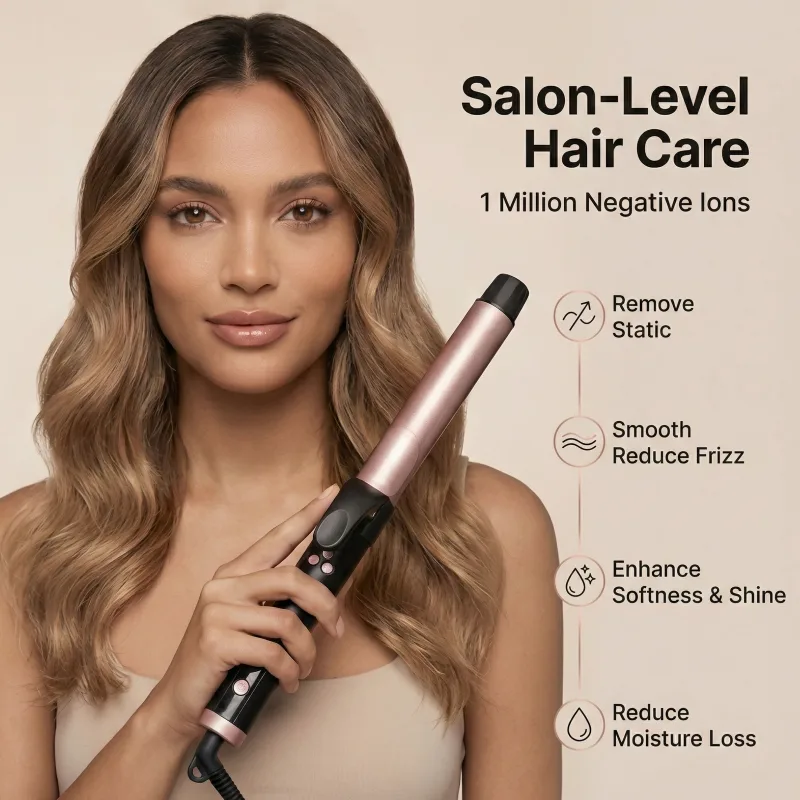
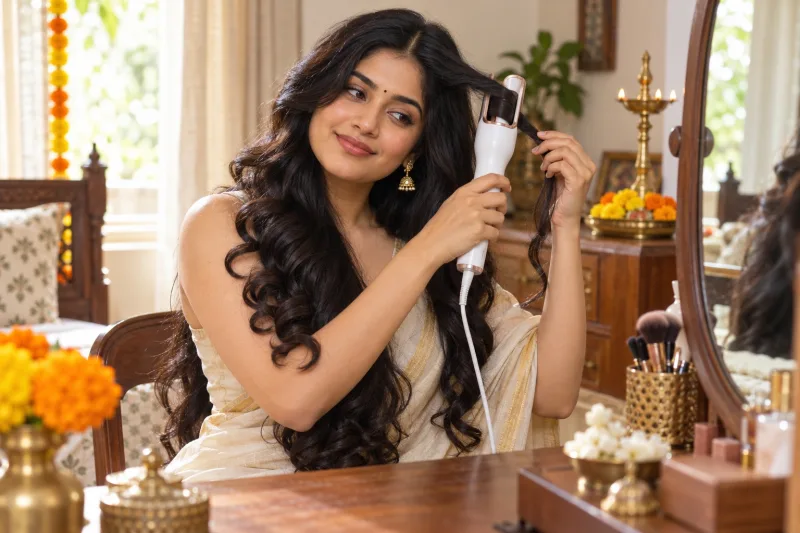
Short answer: for long, thick or frizz-prone Indian hair, an automatic rotating curler with adjustable heat and an anti-tangle design is the easiest place to start, especially if you're a beginner. Pick the barrel size for the curl you want, curl only fully dry hair with a heat protectant, and let each curl cool before you touch it. That last step matters most in humid weather.
What does Indian hair need from a curler?
There's no single "Indian hair type". But a few traits are common enough to shape what makes a curler work well:
- Length: many people have long hair, so a curler needs to handle long sections without tangling.
- Thickness: thick hair needs smaller sections and adjustable heat, so you're not stuck on one setting that's too weak or too harsh.
- Texture: straight hair can be slow to hold a curl, while naturally wavy hair can frizz. Both benefit from good technique more than high heat.
- Humidity: in the monsoon and in coastal cities, curls drop fast unless they're set properly.
- Oiling habits: hair oil and heat don't mix. Curl clean, oil-free hair, and save oiling for wash day.
Which type of curler should you choose?
Here's how the main heat styling tools compare. None is "best" for everyone. It depends on the look you want and how much practice you're willing to put in.
| Tool | How it works | Best for | Learning curve | Watch out for |
|---|---|---|---|---|
| Automatic rotating curler | The barrel turns and wraps the hair for you | Beginners, long hair, consistent curls | Low | Feed in small sections to avoid tangles |
| Classic curling iron (with clamp) | You wrap hair around a heated barrel and hold it with a clamp | Defined curls with more control | Medium | Clamp marks at the ends |
| Curling wand (no clamp) | You wrap hair around a tapered or straight wand by hand | Loose, beachy waves | Medium to high | Burnt fingers; use a heat glove |
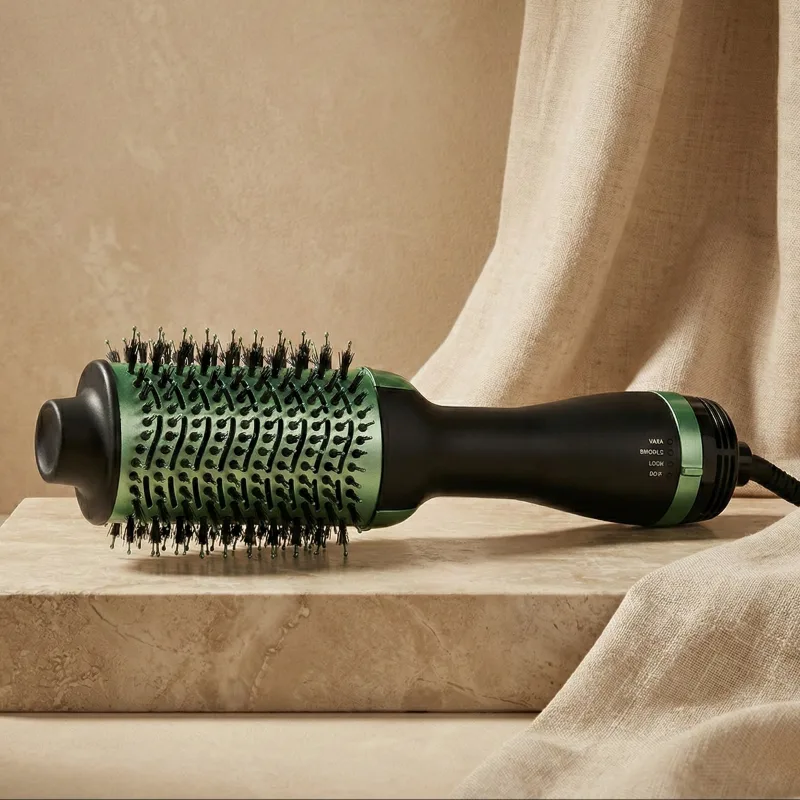
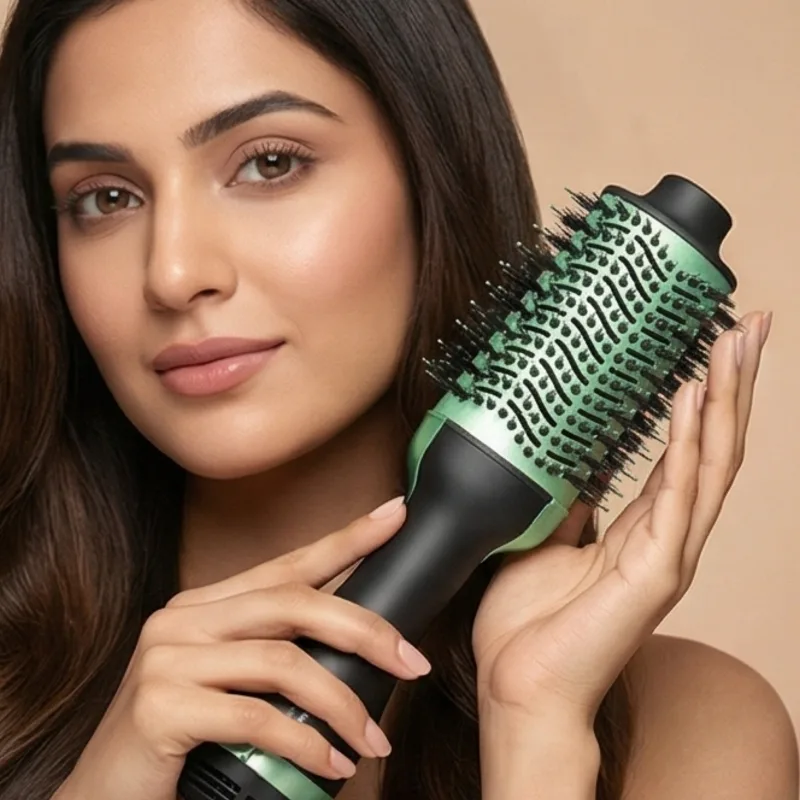
| Hot air brush | Brushes and dries with warm air | Smooth, bouncy blowouts, soft bends at the ends | Low | Won't give defined curls |
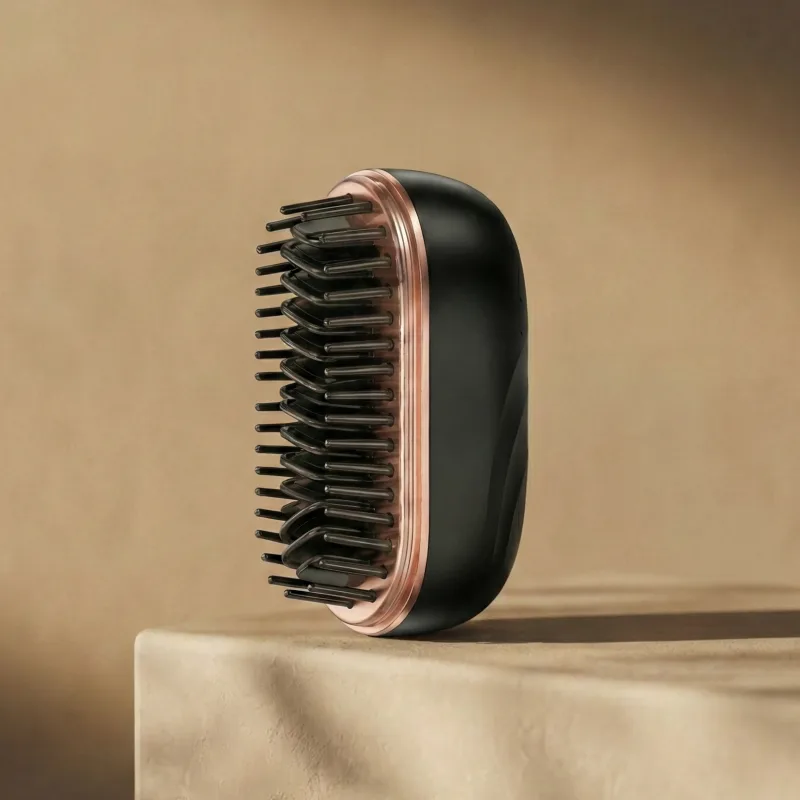
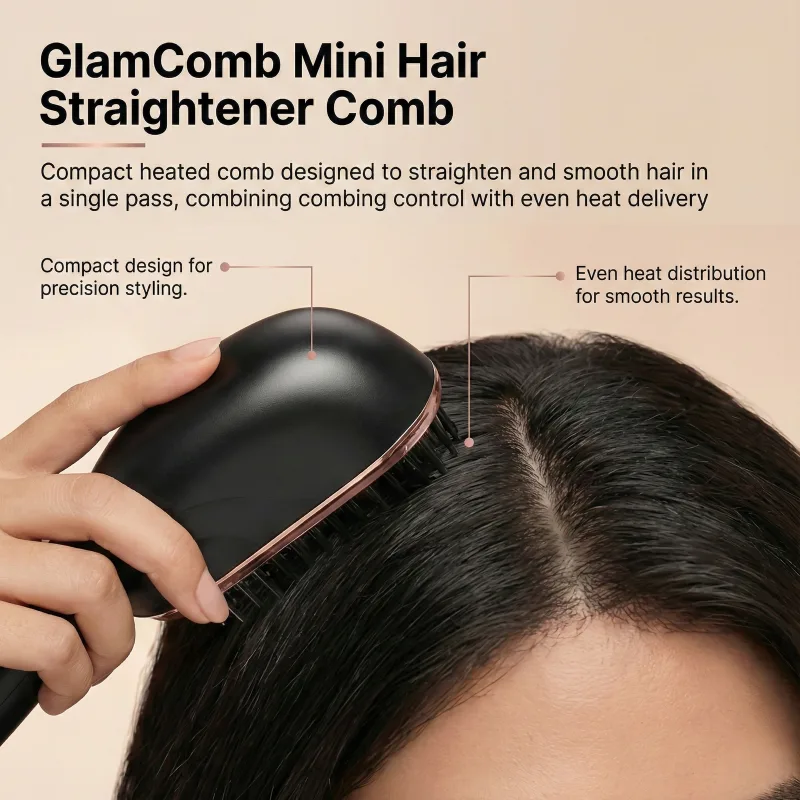
| Straightener comb | Heated comb teeth smooth hair in one pass | Quick smoothing, travel touch-ups | Low | Not designed for curls |
What features matter most when buying a curler?
- Adjustable heat. Fine or colour-treated hair needs lower heat than thick hair. A single fixed setting is a compromise for most people.
- Barrel size. Smaller barrels make tighter curls; larger barrels make looser waves. If a brand doesn't list it, ask before you buy.
- Barrel coating. Ceramic-coated barrels are common and help hair glide smoothly.
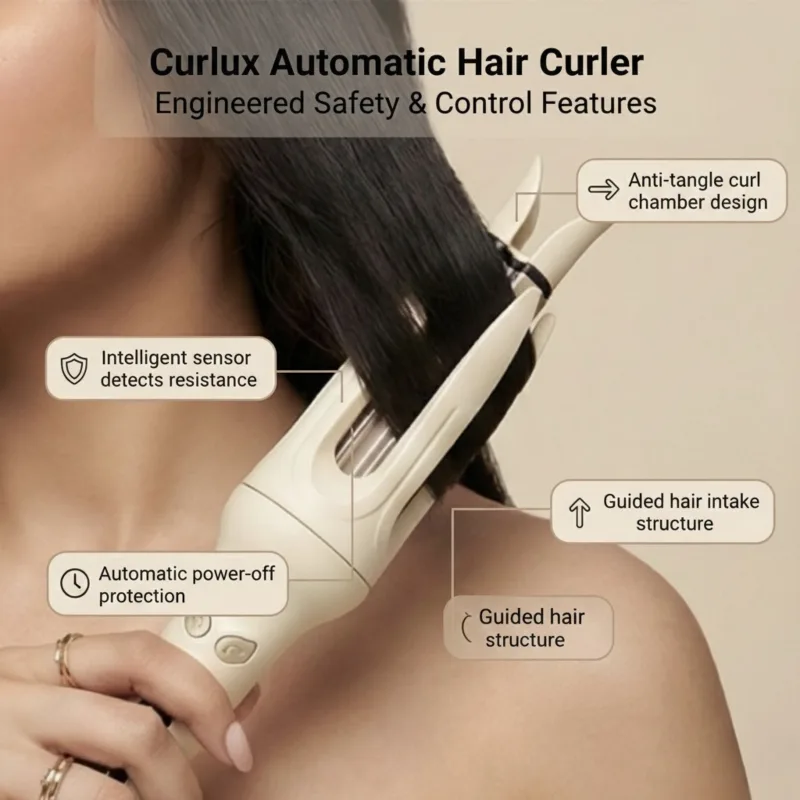
- Anti-tangle design. Important for rotating curlers and long hair.
- Safety features. An insulated tip and a heat-resistant stand or mat make everyday use easier. Check the listing for auto shut-off if that matters to you.
- Cord. A swivel cord that doesn't twist is a real comfort for long hair.
- Warranty, returns and service in India. Heat tools get daily use. Know what's covered and who to message if something goes wrong.
Twirl vs Curlux: which Signaxo curler fits you?
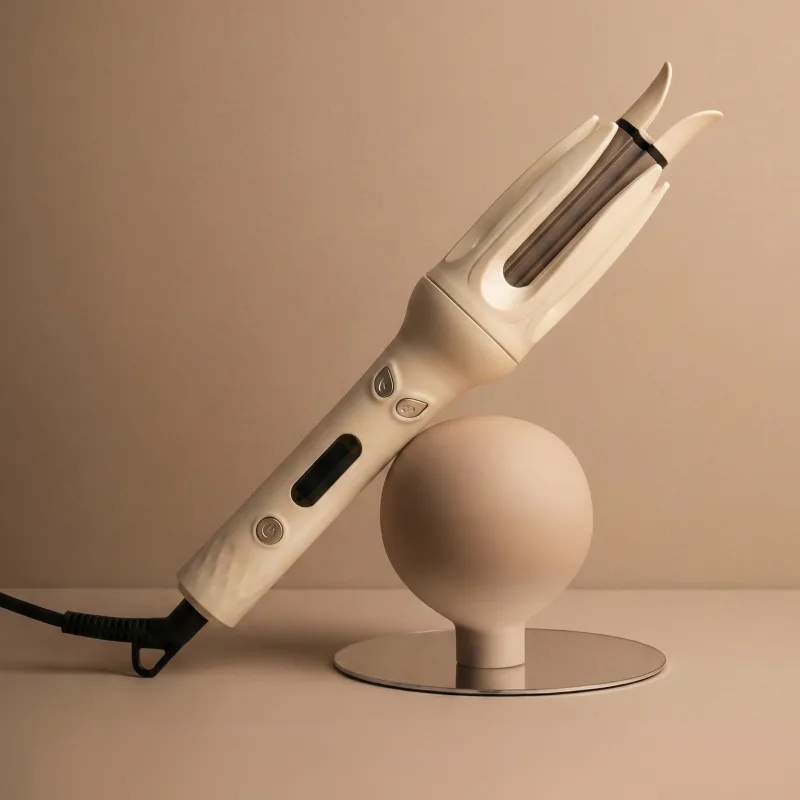
We make two automatic rotating curlers. Both rotate for you, have adjustable heat and use an anti-tangle design, so either is a sensible starting point for beginners. Here's where they differ, based on what we publish today:
- Twirl automatic curler: designed for quick heating and suitable for all hair lengths. A good pick if you want an easy, everyday curler.
- Curlux automatic curling iron: has a ceramic-coated barrel and heat-control settings, and works for both soft waves and tighter curls. A good pick if you like to vary your look.
We haven't yet published barrel sizes or temperature ranges for either model. If you need a specific curl size, WhatsApp us before you buy and we'll tell you honestly whether one of ours fits.
When another tool may suit you better
- If you want smooth, bouncy volume rather than defined curls, a hot air brush like the StyleAir 3-in-1 is a better fit.
- If you mostly want sleek, straight hair on the go, the GlamComb straightener comb is simpler.
- If you need a very specific barrel size, a published temperature range or a tong for complex occasion styling, a brand that lists those specs, or a professional stylist, may suit you better.
How do you choose the right heat for your hair?
- Fine, thin or colour-treated hair: start on the lowest setting.
- Normal or wavy hair: start low and go up one step only if curls don't hold.
- Thick or coarse hair: a higher setting may be needed, but work in smaller sections before turning the heat up.
- Damaged or bleached hair: keep to the lowest setting and style less often.
The right setting is the lowest one that gives you a curl that holds. More heat isn't better; it just adds heat stress.
How do you curl long, thick hair step by step?
- Wash, dry and detangle. Hair should be completely dry and free of oil.
- Apply heat protectant and let it dry.
- Section your hair. Clip the top half up and start with the bottom layer.
- Feed in a small section. With a rotating curler, take a section about 2–3 cm wide and let the barrel draw it in, as the manual describes.
- Hold only as long as needed. Release once the section has had enough heat to form a curl.
- Alternate direction (towards and away from your face) for a more natural look.
- Work up layer by layer, then let everything cool completely.
- Finish. Gently separate curls with your fingers and add a light-hold spray.
The first few attempts usually take longer. It gets quicker with practice.
6 tips for curls that last in humidity
- Start with completely dry hair. Even slightly damp hair frizzes and drops faster, and curling damp hair adds heat stress.
- Work in small sections, about 2–3 cm wide. Smaller sections hold better, especially on thick hair.
- Let each curl cool before touching it. Curls set as they cool. Brushing or scrunching warm curls makes them fall.
- Finish with a light-hold spray once all curls have cooled.
- Style second-day hair. Freshly washed, very soft hair often holds curls less well than hair washed the day before.
- Skip heavy oils and serums before curling. Use a small amount of anti-frizz product after curls have cooled, if needed.
How do you protect your hair from heat?
- Use a heat protectant every time, and let it dry before curling.
- Use the lowest heat that works, and don't hold hair on the barrel longer than needed.
- Give your hair heat-free days each week.
- Keep up regular trims to remove dry, split ends.
A good curler with adjustable heat helps reduce heat stress, but no heat tool is completely damage-free. Technique and protectant do most of the work.
How do you use a curler safely?
- Use only on dry hair, never on wet or damp hair.
- Keep the hot barrel away from your scalp, face, ears and neck.
- Rest it on a heat-resistant surface, and unplug it straight after use.
- Keep it away from water and out of children's reach while it cools.
- If hair gets caught, switch off and gently release it. Don't pull.
For more on which styling jobs are worth doing at home, see our guide to salon visits vs at-home care.
Results vary with hair type and technique. Not sure which curler fits your hair? WhatsApp us a photo. We'll tell you honestly.