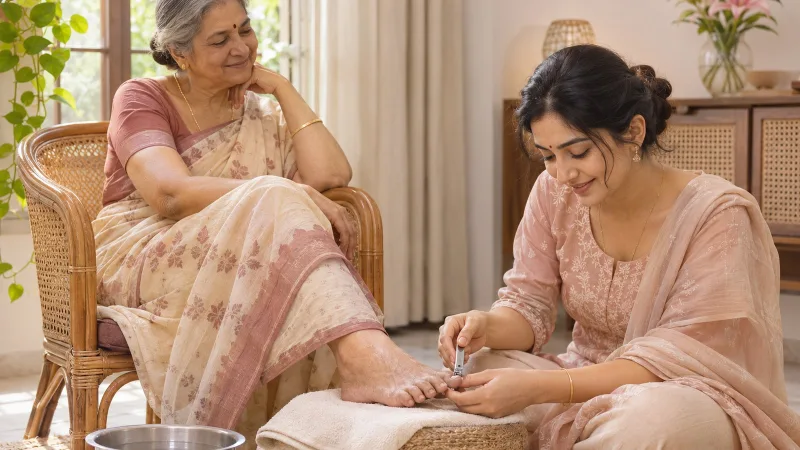
Short answer: The safest way to cut an elderly parent's nails is after a warm bath or a short soak, when the nails are softer, in bright daylight, with your parent sitting comfortably and their hand or foot well supported. Trim fingernails with a gentle curve and toenails straight across, leave a thin white edge, smooth the corners with a file and finish with moisturiser. If your parent has diabetes, poor circulation, very thick or ingrown nails, or takes blood thinners, check with their doctor before trimming at home.
Key takeaways
- Nails are easiest and safest to trim within 10–15 minutes of a bath, when they are softer and less likely to split.
- Cut toenails straight across and never dig into the corners; this lowers the chance of ingrown toenails.
- Leave about 1 mm of white nail and never cut or push back cuticles hard on older, thinner skin.
- With diabetes or reduced feeling in the feet, test soak water with your elbow, keep soaks short and ask the doctor how they want nails cared for.
- Very thick, yellow, painful or ingrown nails are a reason to see a doctor or foot specialist, not a reason to cut harder.
Why do elderly parents find nail cutting so hard?
Many of us only notice the problem when we see Papa struggling with a clipper at the dining table, or Amma quietly letting her toenails grow because bending down hurts. With age, several small changes add up:
- Eyesight: it becomes harder to see where the nail ends and the skin begins, especially on the little toe.
- Stiff joints and back pain: reaching the feet can be difficult or unsafe, and arthritis makes squeezing a clipper painful.
- Thicker, harder nails: toenails often thicken and turn ridged or brittle, so they split or crack under a regular clipper.
- Thinner skin: the skin around nails bruises and nicks more easily, and heals more slowly.
- Health conditions and medicines: diabetes, poor circulation and blood thinners all change how careful you need to be.
Helping with nails is a small act of care, but it also matters for comfort and safety. Overgrown toenails can press inside chappals and shoes, and long fingernails can scratch thin skin.
What do you need before you start?
Set everything up first so you are not leaving your parent sitting with wet feet while you hunt for a towel.
- A basin of lukewarm water and a soft towel (or plan the trim straight after their bath).
- A clean clipper, preferably a separate one each for fingers and toes, or an electric nail clipper with a built-in file.
- A nail file or emery board for smoothing edges.
- Good light: a window in daylight or a bright lamp, plus your own reading glasses if you use them.
- A stable chair with a back, and a low stool or cushion to rest their foot on.
- Moisturiser or foot cream, clean cotton or gauze and an antiseptic, just in case.
Wipe the clipper with an alcohol swab before and after use. If your parent has a fungal nail, keep a separate tool just for that nail so it is not shared.
How do you cut an elderly person's nails step by step?
- Choose a calm time. Mid-morning after a bath works well for many families. Avoid times when your parent is tired, hungry or rushed.
- Soften the nails. If they have not just bathed, soak hands or feet in lukewarm water for 5–10 minutes. Check the temperature with your elbow or wrist, not their skin, especially if they have diabetes. Pat completely dry, including between the toes.
- Seat them comfortably. Your parent should sit back in a chair with their foot resting on your knee or a cushioned stool. You do the bending, not them.
- Look before you cut. Check each nail and the skin around it for redness, swelling, cuts, corns or anything new. Note it for the doctor rather than trimming over it.
- Trim in small bites. Take two or three small cuts across each nail instead of one big snap, which can crack thick nails. Fingernails can follow the gentle curve of the fingertip; toenails should be cut straight across.
- Leave a little length. Keep about 1 mm of white edge. Cutting too short exposes the tender skin underneath and encourages ingrown nails.
- File, don't dig. Smooth sharp corners with a file in one direction. Never poke into the corners of a toenail with scissors or a pointed tool.
- Leave cuticles alone. At most, gently push them back with a soft towel after the bath. Do not cut them; on older skin small cuts can become sore.
- Moisturise. Massage a little cream into hands and the tops and soles of the feet, but not between the toes, where moisture can sit and cause problems.
- Clean up. Clean and dry the tools, and sweep up the clippings so no one slips on them.
If your parent gets restless or has memory problems, there is no need to finish everything at once. One hand today and one foot tomorrow is perfectly fine.
How should you handle thick toenails?
Thick, hard toenails are common in older people. Soaking is the key: nails cut much more easily after 10 minutes in warm water. Then take tiny cuts, working from one side across to the other, and use a file to reduce the edge rather than forcing the clipper.
Some thickening can simply be smoothed with a file over a few sessions. But if a nail is very thick, curved, yellow-brown, crumbly or painful, do not try to cut through it with force. Nails like this can be a sign of a fungal infection or other changes, and a doctor or foot specialist can trim them safely and advise on what is causing it.
| What you notice | Safe to do at home | When to see a doctor |
|---|---|---|
| Normal but long, hard nails | Soak, trim in small cuts, file edges | Not usually needed |
| Thickened, ridged toenails | Soak longer, file gently, trim only the edge | If very thick, curved or hard to cut at all |
| Yellow, crumbly or lifting nail | Use a separate tool, keep feet dry | Soon, to check for infection |
| Nail edge pressing into skin, red or sore | Do not cut into the corner | Yes, before it worsens |
| Swelling, pus, warmth or a wound near the nail | Do not trim that toe | Promptly, especially with diabetes |
Is it safe to cut nails at home if your parent has diabetes?
Many people with diabetes trim their nails at home safely, but it is worth asking their doctor first, because diabetes can reduce feeling and blood flow in the feet. A small nick they cannot feel may go unnoticed and heal slowly. Some doctors prefer that toenails are trimmed by a foot specialist; others are happy with home care if the feet are healthy.
If the doctor says home trimming is fine:
- Check their feet every day, including the soles and between the toes.
- Keep soaks short and lukewarm, and dry the feet thoroughly afterwards.
- Cut straight across, never short, and never into the corners.
- Do not use blades, sharp tools or anything that removes skin aggressively on corns or calluses.
- Report any cut, blister, colour change or swelling to the doctor quickly.
The same extra caution applies to parents with poor circulation, and to anyone on blood thinners, as even a tiny nick may bleed more than you expect.
What if you accidentally nick the skin?
It happens, even to careful hands. Stay calm so your parent does not panic. Press clean gauze or cotton firmly on the spot for a few minutes until the bleeding stops, clean it with a mild antiseptic, and cover it with a small bandage. Keep an eye on it over the next few days. If it becomes red, swollen, warm or starts to ooze, or if your parent has diabetes or takes blood thinners and the bleeding does not stop easily, contact their doctor.
How often should elderly nails be trimmed?
Fingernails usually need a trim every one to two weeks; toenails grow more slowly and often need attention every three to six weeks. A simple habit is to check fingernails every Sunday and toenails at the start of each month. Regular light trims are much easier and safer than tackling long, overgrown nails every few months.
Which tools make it easier at home?
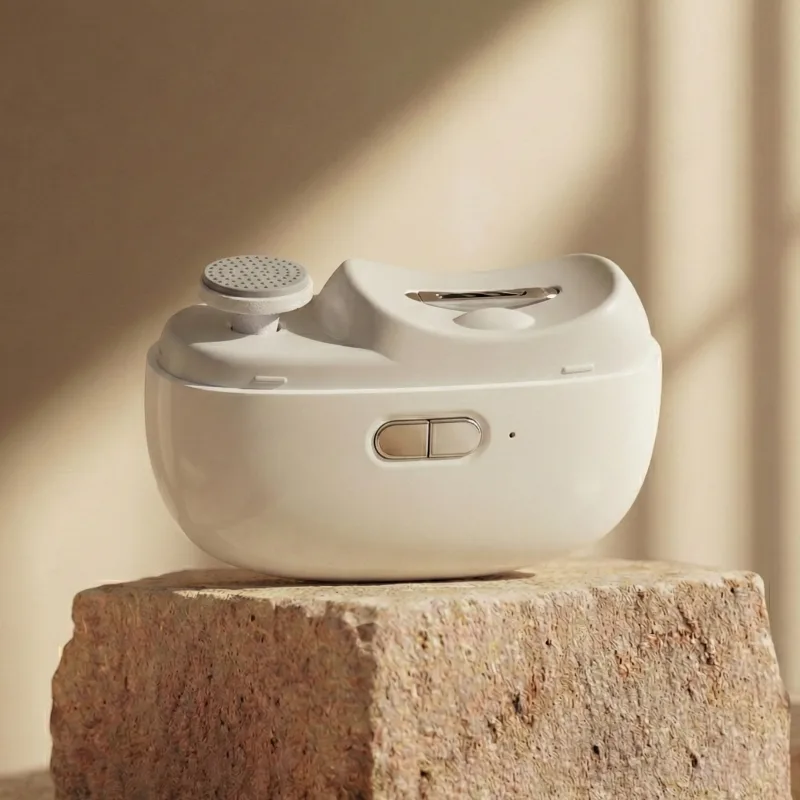
A regular clipper works fine for many families. But if your parent wants to stay independent, or your own hands are not steady, an electric nail clipper can help. A quiet one such as the NailEase 2-in-1 electric nail clipper and file trims automatically and smooths the edge with a built-in file, so there is no squeezing and less risk of snapping the nail too short. It is useful for fingernails and regular toenails; very thick or problem toenails still need professional care.
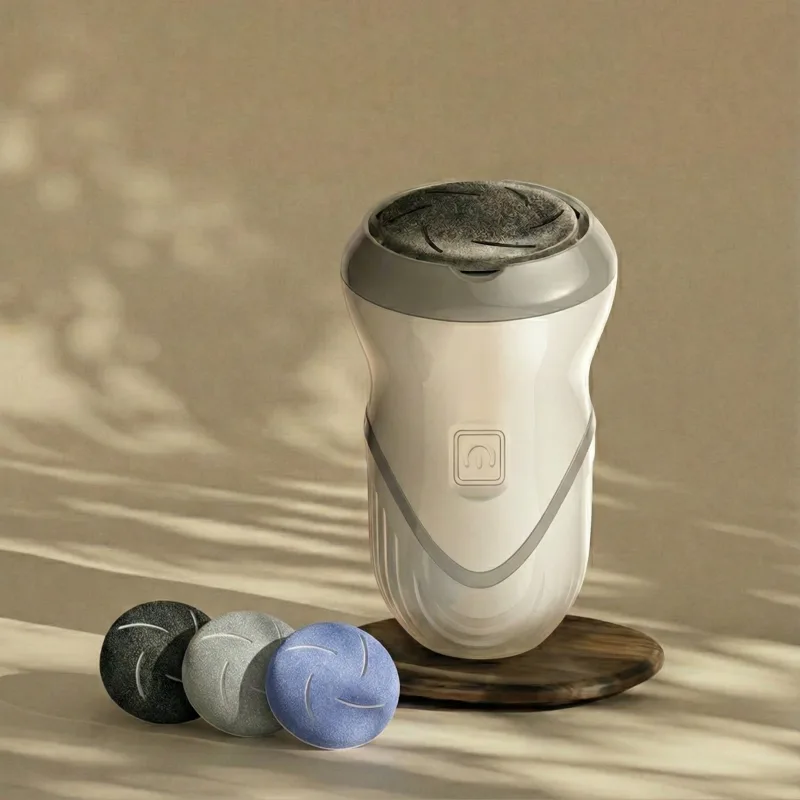
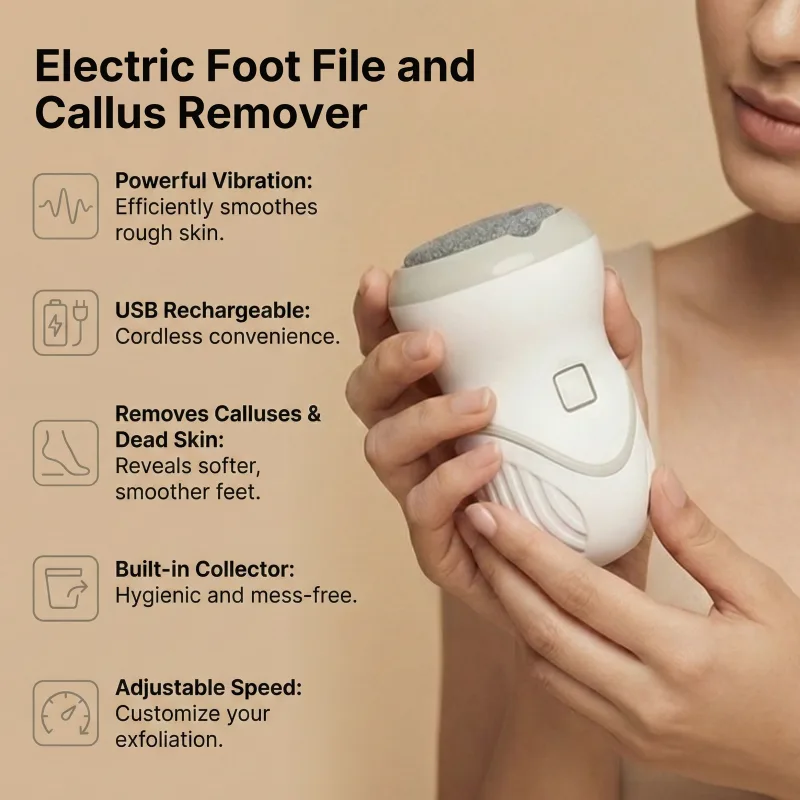
Rough, cracked heels often come along with long toenails in winter. A callus remover like the PediXpert callus remover smooths hard skin on dry feet in 2–3 seconds per spot without pressing, once or twice a week, followed by foot cream. Parents with diabetes or poor circulation should ask their doctor before using it, and it should never be used on cuts, warts or infections. Our guide on healing cracked heels at home covers a full nightly routine.
Doing your parent's nails can become a quiet, caring ritual, a few minutes of attention they will appreciate more than they say. For more gentle foot and hand care ideas, browse our body care essentials, or message us on WhatsApp at +91 98116-65715 if you would like help choosing a tool that suits your parent.