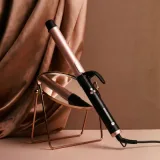

Short answer: To get beach waves at home, work on clean, fully dry hair with a heat protectant. Curl medium sections with a curler or flat iron, alternating the direction and leaving the last 2–3 cm straight. Let every section cool completely, then break the waves up with your fingers. If you'd rather skip heat, plait slightly damp hair into two or three braids overnight and gently shake them out in the morning.
Key takeaways
- Beach waves are loose, slightly undone bends rather than neat ringlets. Leaving the ends straight and alternating the curl direction creates that look.
- Use heat only on fully dry hair, with a heat protectant, and choose lower heat for fine or colour-treated hair.
- Letting each wave cool before you touch it is the biggest single reason waves last.
- Heatless braids work best on medium to long hair that already has a little bend. Very straight, heavy hair usually holds waves better with heat.
- In humid Indian weather, finish with a light hold spray and keep oils to the ends so waves don't drop by afternoon.
What makes waves look "beachy" instead of curly?
Three details separate beach waves from formal curls. The first is size: sections of roughly 3–5 cm, wrapped loosely. The second is direction: curls that alternate towards and away from your face don't stack into one big ringlet. The third is ends: leaving the last few centimetres straight makes the look relaxed and modern rather than wedding-ready.
The finish matters as much as the curling. You should never leave beach waves exactly as they come off the barrel. Brushing them gently with your fingers (not a brush) once they cool turns tight spirals into soft bends.
Start with hair washed the day before if you can. Very fresh, silky hair, especially thick, straight Indian hair, tends to slide out of a wave. Second-day hair has a little more grip. If your hair is freshly washed, a light texturising or sea-salt-style spray on dry lengths helps the bend hold.
How do you get beach waves with a curler?
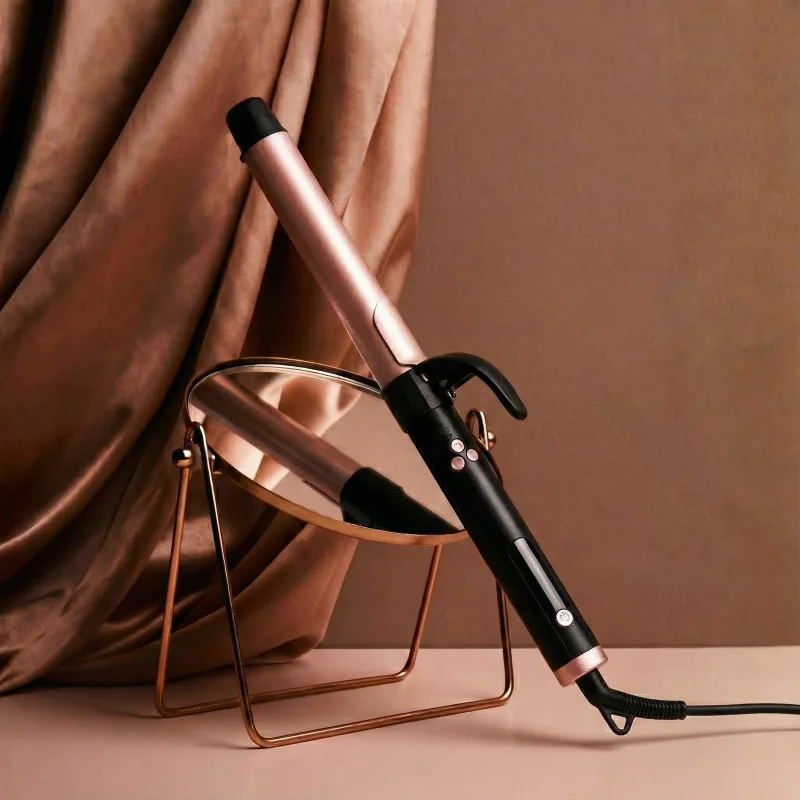
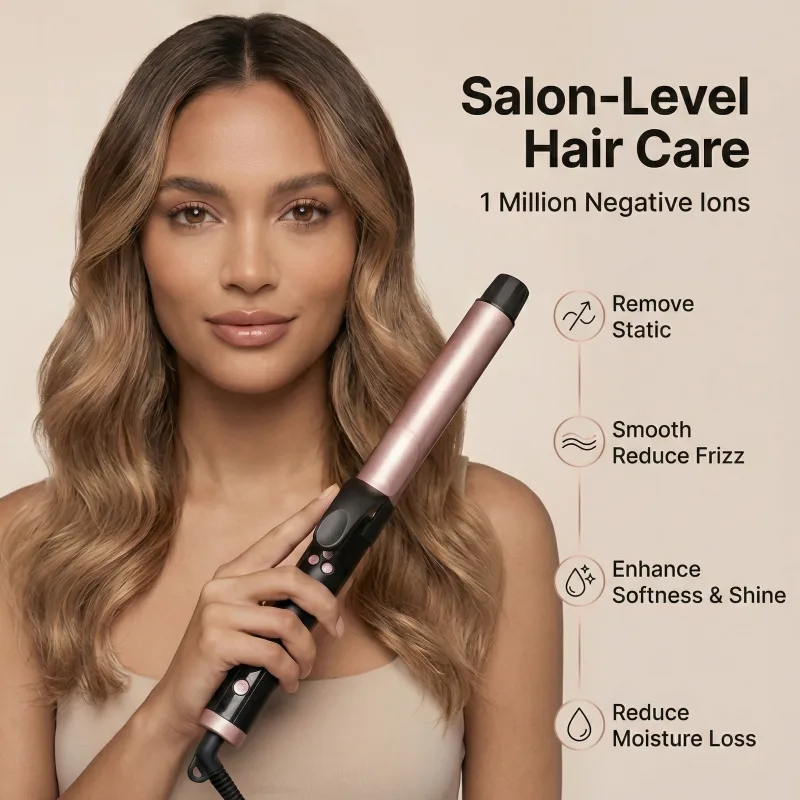
A curling iron or rotating curler gives the most even, longest-lasting waves. It is also the easiest method if you're new to styling.
- Make sure hair is completely dry. Curling damp hair can damage it and the wave won't set. Mist a heat protectant through the lengths.
- Choose your heat. Use low to medium heat for fine, thin or colour-treated hair. Thick, coarse hair may need a higher setting, but only go up if the wave doesn't hold.
- Clip the top half of your hair up. Start at the back of the lower half with sections about 3–5 cm wide.
- Wrap or feed each section around the barrel, starting a little below the roots. Leave the last 2–3 cm out.
- Hold for a few seconds, just long enough to warm the hair through, then release it into your palm.
- Alternate direction: curl one section away from your face and the next towards it. Around the face, curl away from the face so the waves open up your features.
- Let everything cool for 5–10 minutes. Don't touch it. If your hair drops waves easily, pin each warm curl up in a loop and release it once cool.
- Rake through with your fingers, tip your head over and give it a light shake. Finish with a light-hold spray.
A rotating curler makes this easier if your arms tire on long hair or you struggle to wrap the back evenly. The barrel turns for you, so you only guide the section. An automatic rotating curler such as the Twirl also has a direction control, which makes alternating waves simple. Keep the limits in mind. Very short hair, roughly above the chin, can be hard to feed into any rotating barrel. Sections that are too thick may come out uneven, so take smaller pieces rather than forcing them in. For help choosing a barrel and heat for your hair type, see our guide to choosing a curler for Indian hair.
Can you make beach waves with a straightener?
Yes. A regular flat iron (the kind with two plates that clamp) can make quick, flat-ish "S" waves. Many people find it faster than a curler once they get the hang of it.
The flat iron twist method
- Start with dry hair and heat protectant, on low to medium heat.
- Take a 3–4 cm section and clamp it near the root.
- Turn the iron half a turn away from your face.
- Glide the iron slowly down the hair while keeping that half-turn. Release before the ends.
- For the next section, turn the iron towards your face.
- Let it cool, then loosen with your fingers.
Speed controls the shape. Glide slowly for a deeper bend, and faster for a softer one. If you see a dent or kink, you paused in one place. Keep the iron moving.
What about a straightener comb?
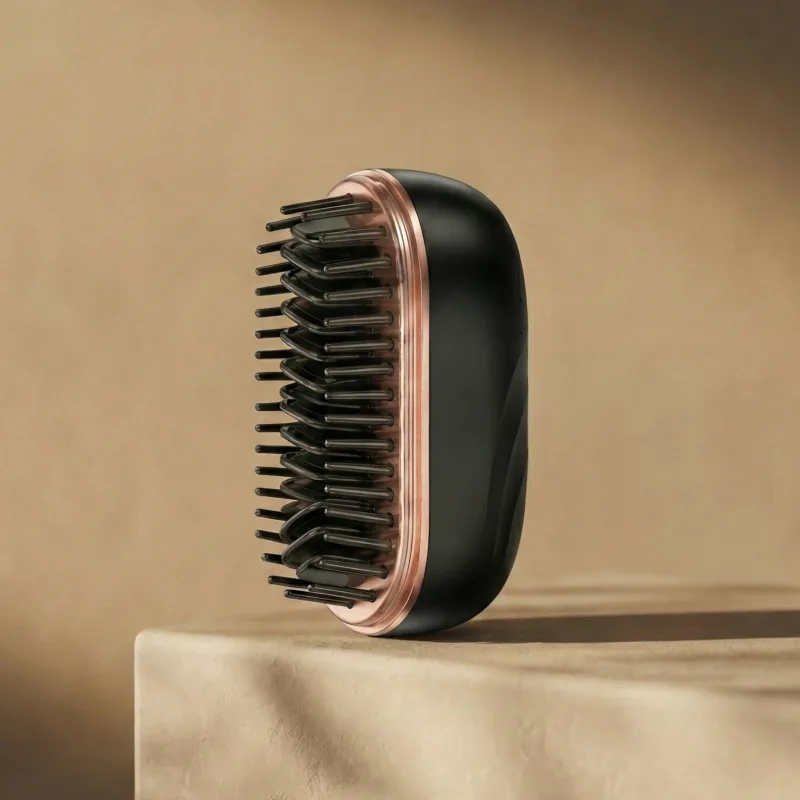
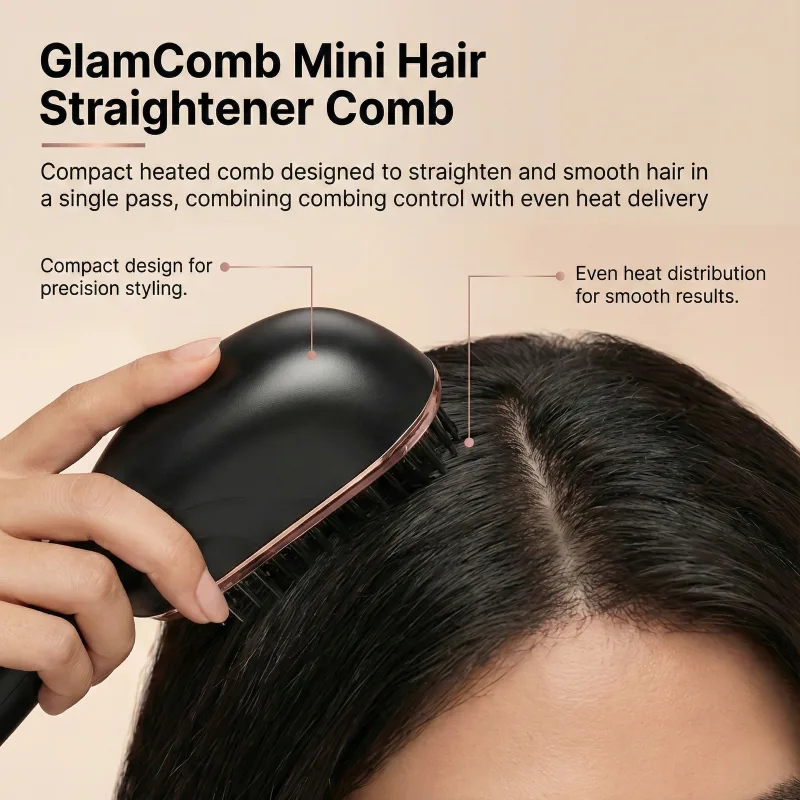
A heated straightening comb doesn't clamp, so it can't twist hair into a wave the way a flat iron does. It is still useful earlier in the routine: smoothing frizzy mid-lengths and roots before you curl gives waves a polished, glossy finish. It can also relax waves that came out tighter than you wanted. If frizz is your main problem, our guide on controlling frizzy hair in humidity covers the prep side.
How do you get heatless beach waves overnight?
Heatless waves are gentler on hair and cost nothing, and they suit a lazy Sunday night. The results are softer and less predictable than heat styling, and very straight or heavy hair may lose the wave by mid-morning.
- Wash and towel-dry your hair, then let it air-dry until it's about 80% dry. Slightly damp is ideal. Soaking wet hair won't dry inside a braid overnight, and fully dry hair won't hold the shape.
- Apply a small amount of leave-in or light cream to the lengths.
- For loose waves, make two braids. For more texture, make three or four. Start the braids a little below the ears so the roots stay smooth.
- Secure the ends with soft elastics and sleep on a cotton or satin pillowcase.
- In the morning, check that the hair is completely dry before you undo the braids. Then separate the waves gently with your fingers.
A twisted bun is a variation that works well on long hair. Twist the hair into one or two ropes, coil them into loose buns and pin them. This gives bigger, rounder bends than a braid.
During the monsoon, or if your room fan doesn't dry hair overnight, braid only hair that is nearly dry. Hair that stays damp for hours can smell musty and frizz badly.
Which beach wave method suits your hair length?
| Hair length and type | Best method | Tips |
|---|---|---|
| Short (chin to shoulder) | Flat iron twist, or a curler with small sections | Wave only the mid-lengths and leave the ends straight. Skip the back layers near the nape if they're very short. |
| Medium (shoulder to bra strap) | Any method; curler for the most even result | Alternate directions. Two braids work well for heatless waves. |
| Long and thick | Curler or rotating curler; pin curls while they cool | Use smaller sections than you think you need. A light texturising spray on second-day hair helps the hold. |
| Fine or thin | Heatless braids, or a curler on low heat | Waves hold easily but can look flat. Use less product and add volume at the roots. |
| Naturally wavy | Heatless twists or only touching up a few pieces | Often you only need to reshape the front pieces. Your natural texture does the rest. |
| Colour-treated or stressed | Heatless first; otherwise lowest heat that works | Always use heat protectant and limit heat styling to a few days a week. |
Why do my waves fall flat in an hour?
Thick, heavy, straight hair is common in India, and it can lose a wave quickly. These are the usual reasons:
- You brushed them out while warm. Hair sets its shape as it cools. Touching it too early is the most common mistake.
- Sections were too big. The heat never reached the middle of the section. Go smaller, especially at the back.
- Too much oil or serum. Hair oil before styling weighs waves down and can make heat feel harsher. Keep oil for after styling, and only on the ends.
- Humidity. Moisture in the air undoes heat-set waves. Finish with a light hold spray, and on very sticky days choose bigger, looser waves. They stay looking intentional as they relax.
- Hard water build-up. Hair that feels coated and stiff can resist styling. An occasional clarifying wash helps, followed by conditioner.
How do you refresh beach waves the next day?
Second-day waves often look better than first-day ones because they've relaxed into something more natural. To keep them overnight, loosely twist your hair into a high, soft bun on top of your head, or into a loose braid, and sleep on a smooth pillowcase.
In the morning:
- Shake out your hair and rake it through with your fingers.
- Use dry shampoo at oily roots if needed.
- Re-curl only the pieces around your face and any sections that went flat. You rarely need to redo your whole head.
- Spritz a little water on stubborn frizz and smooth it with your palms rather than adding more heat.
How often is it safe to heat-style waves?
For most healthy hair, a few heat-styled days a week with protectant and moderate heat is fine. Daily high heat adds up over time, showing as dry ends, more breakage and colour fading. Mix in heatless braids on off days, keep the heat as low as gives you a wave that holds, and trim split ends regularly. Our full guide on protecting hair from heat damage explains how to tell when hair needs a break.
Be extra careful near the face and ears, keep hot tools away from children, and switch tools off after use. If you have a sensitive or flaky scalp, keep the barrel a little away from the roots.
Want to try waves for a wedding or festive function? See our easy festive hairstyles at home for ways to dress them up with a half-up style or a low bun. If you're unsure which tool suits your hair, you can send a photo on WhatsApp at +91 98116-65715 and the team can help you choose.