Short answer: To protect hair from heat damage, use a heat protectant every time you style. Use plate and barrel tools only on fully dry hair, keep the heat as low as your hair type allows, and pass over each section once or twice rather than again and again. Limit heat styling to 2–3 days a week, trim split ends every few months, and give hair heat-free days to recover.
Key takeaways
- Heat damage comes mostly from three habits: too much heat, too many passes and styling wet hair with plates or barrels.
- Fine, colour-treated or chemically straightened hair needs the lowest heat settings. Thick, coarse hair can take moderate heat, but rarely the maximum.
- A heat protectant reduces damage, but it does not make high heat safe. Apply it evenly on damp or dry hair before any hot tool.
- Damaged hair cannot be fully repaired. Trimming, conditioning and lower heat can only stop it getting worse while healthy hair grows in.
- Heat damage breaks the hair shaft. Hair falling out from the root, bald patches or scalp burns are different problems and need a dermatologist.
What actually causes heat damage to hair?
Each strand is covered in a layer of tiny overlapping scales called the cuticle. When it is smooth, hair looks shiny and feels soft. Repeated high heat lifts and cracks these scales, dries out the inside of the strand and weakens the proteins that give hair its strength. The result is hair that feels rough, tangles easily and snaps.
Three things do most of the harm:
- Temperature that is too high for your hair. Many people use the maximum setting simply because it works faster.
- Too many passes. Five slow passes on one section can do more harm than one pass at a slightly higher heat.
- Water trapped in the hair. Pressing plates onto wet hair heats that water very fast. The hissing and steam you notice is a sign of stress on the strand.
Indian conditions add to this. Hard water leaves mineral deposits that make hair feel dry and rough. Strong sun and city pollution weaken the cuticle further. Humidity then makes styles drop or frizz, so many of us restyle midday with even more heat. Colour, highlights and chemical straightening all make hair more fragile before a hot tool ever touches it.
What temperature should I use for my hair type?
There is no single safe number, but a simple rule works: use the lowest setting that gets the result in one or two passes. The ranges below are a rough guide. Check your tool's own settings and instructions, because displays and heat levels differ between devices.
| Hair type | Rough heat guide | What to watch for |
|---|---|---|
| Fine, thin or fragile | Low (around 150–170°C) | Breaks easily; start lower and go up slowly only if needed |
| Colour-treated, highlighted or chemically straightened | Low (around 150–170°C) | Colour fades faster with heat; ends are usually the weakest part |
| Medium, healthy, wavy | Low to medium (around 170–190°C) | Most Indian hair falls here; one pass per section is usually enough |
| Thick, coarse or curly | Medium (around 185–200°C) | Use smaller sections instead of turning the heat to maximum |
| Already damaged (straw-like, split ends) | Lowest setting, or skip heat | Air-dry where you can and trim the damage first |
If you notice a burning smell, smoke or a sizzling sound, stop. The heat is too high, the hair is still wet, or leftover oil or product is heating up on the strand.
Should you heat-style damp or dry hair?
It depends on the tool.
Straighteners, straightener combs and curlers: dry hair only
Flat plates, heated combs and curling barrels should touch only fully dry hair. Hair that feels dry on the outside can still be damp near the roots or at the nape, especially after a monsoon-day wash. Run your fingers through the underside before you start.
Hot air brushes: towel-dried, not dripping
A hot air brush is designed to dry and style together, so it works on towel-dried hair. Squeeze out water gently with a soft towel or cotton T-shirt instead of rubbing. Then let the hair air-dry for 10–15 minutes, or rough-dry it on a cool setting, until it no longer drips. Less water in the hair means less time under heat. Our guide on hot air brush vs hair straightener explains which tool suits which finish.
What about oiled hair?
Many of us oil our hair before washing, and that is fine. What you should avoid is using a hot tool on hair that still has a lot of oil in it. Heavy oil heats up on the strand, leaves residue on the plates and can make hair look greasy rather than smooth. Wash it out first, and use a light serum or heat protectant for styling.
Do heat protectants really work, and how should you use them?
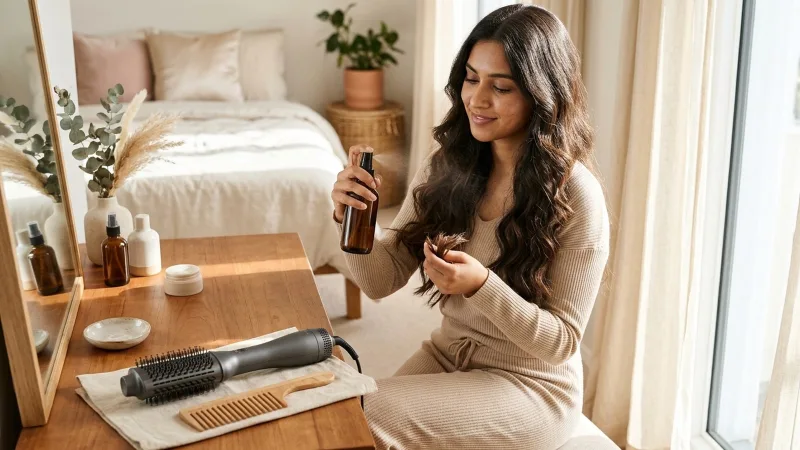
Heat protectants coat the hair and help spread the heat more evenly, so damage builds up more slowly. They are a shield, not armour. They help most when you also use sensible heat and fewer passes.
- Sprays suit fine hair and touch-ups on dry hair. Mist evenly from a short distance.
- Creams and lotions suit thick, curly or dry hair. Apply them to damp hair before drying.
- Serums add smoothness. Use a small amount on the mid-lengths and ends, never a heavy coat.
Apply the protectant section by section so the back and underside are covered, not just the top layer. Comb it through with a wide-tooth comb. Let a spray settle for a moment before you press plates onto the hair.
How often is too often to use heat on hair?
For most people, heat styling 2–3 times a week is a reasonable limit. Daily straightening, especially at high heat, is where damage tends to build up fast. A few ways to cut back without giving up your look:
- Make one style last. On non-wash days, refresh with a little dry shampoo or a quick pass over only the front sections.
- Sleep on a smooth pillowcase and tie hair loosely in a soft scrunchie so the style holds overnight.
- Plan heat around big days. During wedding season, keep the days in between heat-free so hair looks its best when it matters.
- Try heat-free options on some days: braids, buns or air-dried waves.
How to heat-style your hair with less damage: step by step
- Wash with lukewarm water and use conditioner on the lengths. If you have hard water, a final rinse with filtered water now and then can help hair feel less rough.
- Blot, don't rub. Wrap hair in a soft towel and squeeze out water gently.
- Apply heat protectant evenly through damp hair, from mid-lengths to ends.
- Dry most of the water out by air or on a cool setting before using plates or barrels. For a hot air brush, start once hair has stopped dripping.
- Set the lowest heat that works for your hair type, using the table above.
- Section the hair into 2–3 cm pieces and clip the rest away. Small sections need fewer passes.
- Glide steadily from root to tip in one smooth pass. Don't hold the tool still or clamp it hard on one spot.
- Let each section cool before you touch or brush it. This helps the style set, so you need less heat later.
- Finish with a tiny amount of serum on the ends, and turn the tool off and unplug it once you are done.
What are the signs of heat damage, and can you fix it?
Signs to look for
- Split ends, or tiny white dots near the tips where the strand is fraying
- Hair that feels rough, dry or straw-like even after conditioning
- Strands that snap when you comb them, or short broken hairs around the crown and face
- Frizz that won't settle, and a dull look with no shine
- Colour that fades much faster than it used to
Recovery steps
Heat-damaged hair cannot be fully repaired. You can make it look and feel better and stop more damage while healthy hair grows in.
- Trim the damaged ends. Split ends keep splitting upward, and a regular trim is the only real fix for them.
- Cut heat back sharply for a few weeks, and use the lowest setting when you do style.
- Condition every wash, and use a deeper hair mask once a week on the lengths.
- Use a leave-in conditioner and detangle gently with a wide-tooth comb, starting from the ends.
- Protect hair from sun with a scarf or dupatta on long, bright days.
See a dermatologist if hair is falling out from the root, you notice thinning patches, or your scalp has burns, sores or persistent itching. Those are not signs of styling damage and need a proper diagnosis.
Using a hot air brush or straightener comb at home
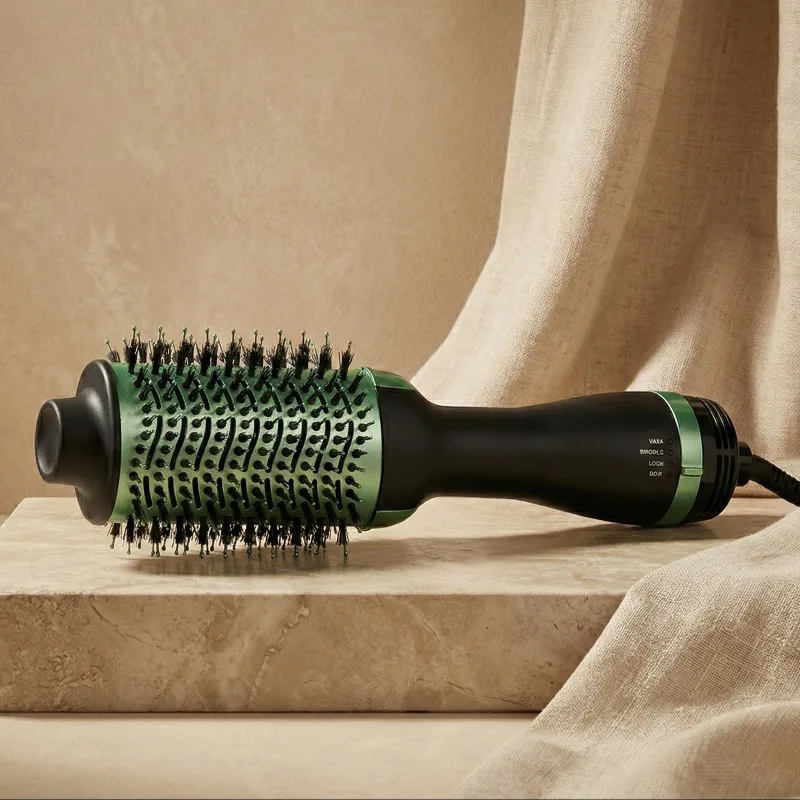
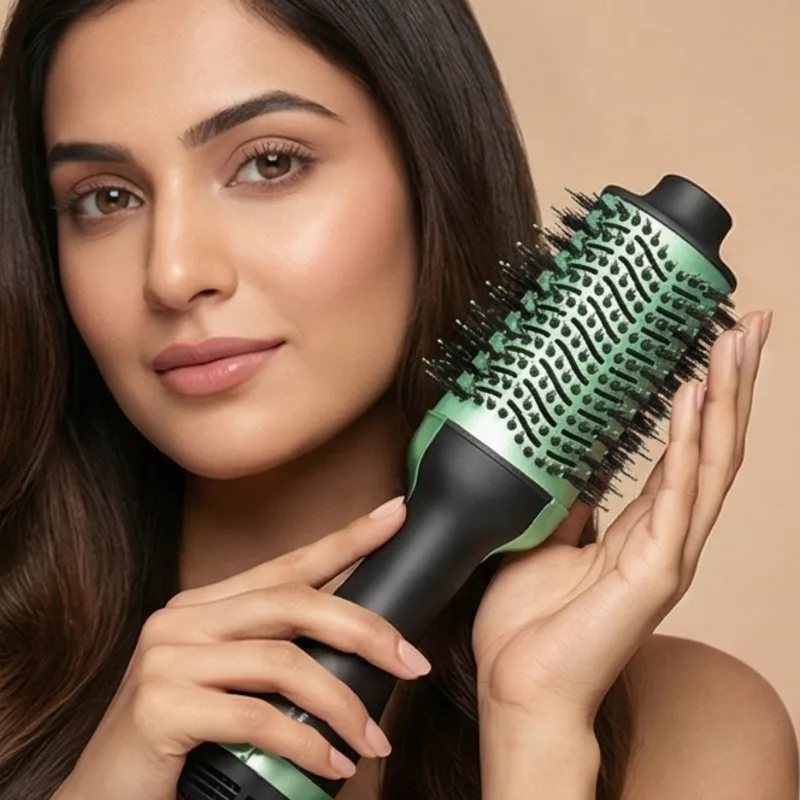
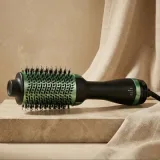
Tools that style in fewer passes can make it easier to keep heat down. A 3-in-1 hot air brush such as the StyleAir dries, smooths and adds volume in one step. You don't need a separate blow-dry followed by a flat iron, which cuts total heat time on wash days. Use it on towel-dried hair with a heat protectant, and choose a lower heat for fine or colour-treated hair.
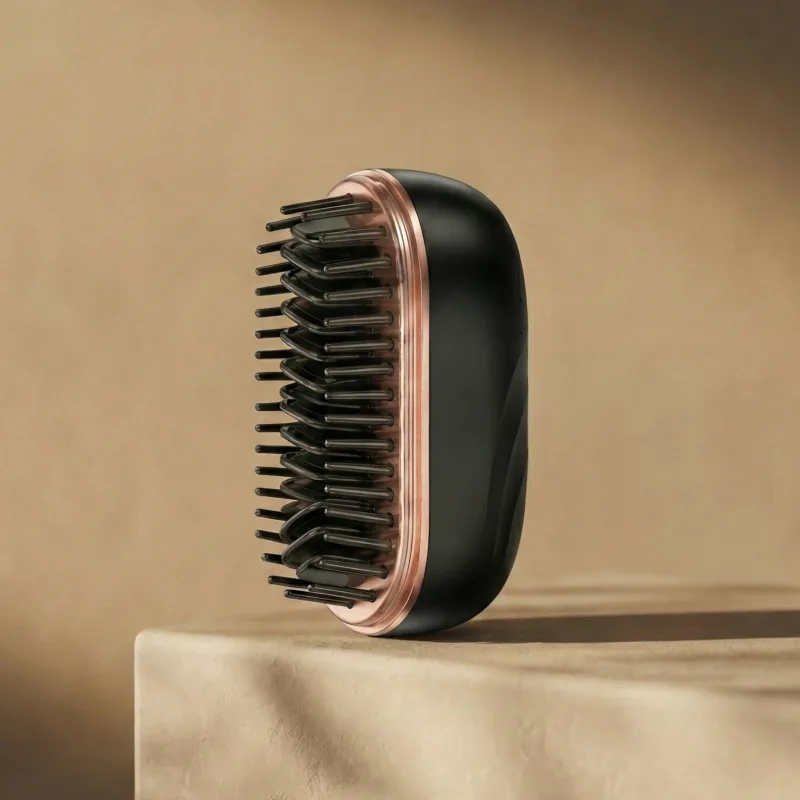
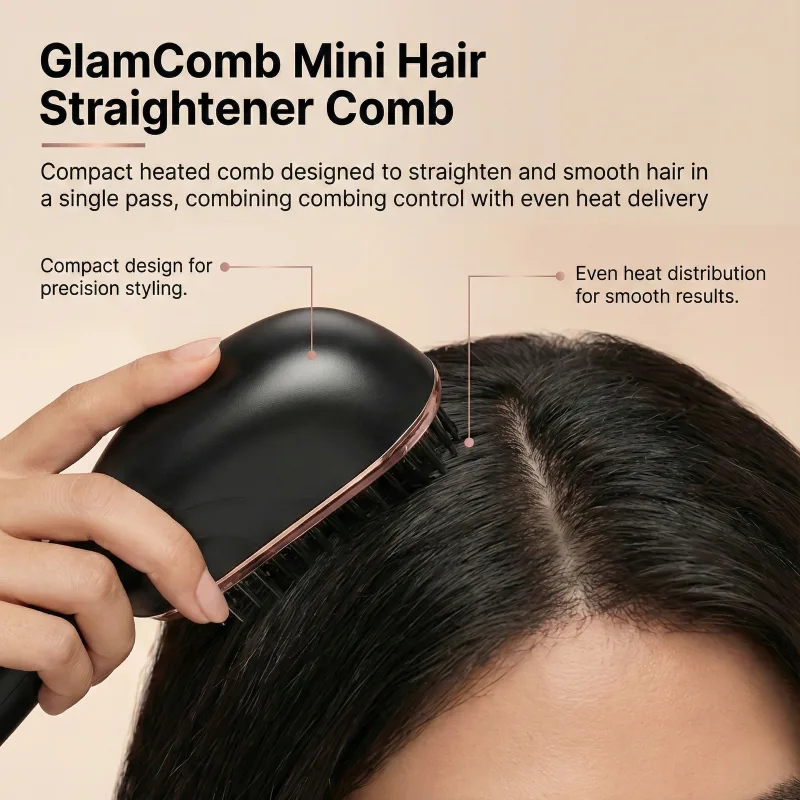
For quick touch-ups, a heated comb such as the GlamComb mini straightener comb warms up in about 30–60 seconds and has adjustable heat. Its bristles work through the hair rather than clamping it flat, so the finish is softer and more natural. Use it only on completely dry hair, in 2–3 cm sections, with a heat protectant. It won't give the pin-straight look of a regular flat iron on very curly hair, and it doesn't make high heat any safer. The same rules about heat, passes and frequency still apply.
If you're getting ready for a function, our easy festive hairstyles at home guide has looks that need very little heat, and our hair curler guide for Indian hair covers making curls last without restyling.
The simplest next step: check the setting you normally use, drop it one level and see whether one slow pass still does the job. If you'd like help choosing a styling tool for your hair type, browse the hair collection or message the Signaxo team on WhatsApp at +91 98116-65715.