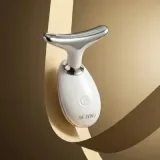

Short answer: At-home face lifting devices can help skin look a little firmer, smoother and more lifted, especially along the jaw and neck, but only with regular use and only modestly. Most people see a fresher, slightly tighter look soon after a session, and any lasting change builds slowly over weeks and fades if you stop. They cannot remove loose skin, reduce fat under the chin or replace a surgical facelift. Results vary from person to person.
Key takeaways
- At-home face lifting devices suit early sagging, fine lines and tired-looking skin, not deep folds or heavy jowls.
- The look right after a session is usually temporary; a firmer look over time needs steady use for several weeks and maintenance after that.
- Always use a lifting device over a serum or conductive gel, start on the lowest setting and glide upward and outward.
- Do not use one with a pacemaker or implanted electronic device, on broken skin or active breakouts, or soon after fillers, Botox or procedures; check with a doctor if pregnant.
- Daily sunscreen, good sleep and steady weight do as much for a defined jawline as any device.
What does a face lifting device actually do?
"Face lifting device" is a loose label for several kinds of handheld tools. The most common are:
- Microcurrent devices send a very low electrical current through the skin, often felt as a faint tingle or nothing at all. The idea is to gently stimulate the facial muscles and skin so they look more toned.
- EMS (electrical muscle stimulation) devices use a stronger current that makes muscles twitch or contract, a bit like a tiny workout.
- Radiofrequency (RF) devices gently warm the deeper layers of skin, with the aim of encouraging a firmer look over time.
- Vibration and massage devices work mainly by massage: moving fluid, easing tension and helping your serum spread.
Whatever the technology, home devices run at much lower power than clinic machines. That makes them gentler and more suitable for unsupervised use, but it also means changes are slower and smaller.
Do face lifting devices really work for sagging?
Honestly, they help some people a little, and the right expectation makes all the difference.
What you can realistically expect
- Skin that looks more awake and less puffy straight after a session, partly from massage and improved circulation.
- A slightly sharper look along the jawline and cheekbones, which many people notice before an event and which wears off over the next day or so.
- With consistent use over weeks, skin that may look a bit firmer and smoother, and fine lines that may look softer.
What a device cannot do
- Tighten noticeably loose or hanging skin, deep nasolabial folds or heavy jowls.
- Remove fat under the chin. A "double chin" caused by weight or genetics needs a different approach.
- Give a permanent lift. Like exercise, the benefit stays only while you keep going.
- Undo sun damage. Years of strong Indian sun break down the skin's support; a device does not reverse that, and sunscreen matters far more.
If someone promises you a "non-surgical facelift" from a handheld gadget, be sceptical. A good device is a helpful habit, not a procedure.
Who will notice the most difference?
The people who tend to be happiest with an at-home lifting device are those whose concern is early and mild, and who enjoy a routine.
| Your situation | Is a home lifting device a good fit? | What else helps |
|---|---|---|
| Late 20s to 40s, skin looks tired, jaw slightly less sharp | Good fit; most likely to see a visible change | Daily SPF, sleep, facial massage |
| Fine lines on the forehead or around the mouth | Reasonable fit for a softer look | Moisturiser, SPF; ask a dermatologist about retinoids |
| Puffy face, especially in the morning | Helps the look short term | Less salt at night, ice globes, gua sha |
| Fullness under the chin from weight | Limited; a device will not reduce fat | Overall weight and posture changes, a doctor's advice |
| Noticeable loose skin, deep folds or jowls | Limited; expect small changes at best | A dermatologist consultation about clinic options |
| Pacemaker or implanted electronic device | Do not use | Massage tools without electrical current, with a doctor's okay |
How to use a face and neck lifting device: a 5-minute routine
Technique matters more than the highest setting. Here is a simple routine that suits most at-home lifting devices. Always follow your own device's manual for timing and settings.
- Cleanse. Wash with a gentle cleanser to remove makeup, sunscreen and the day's pollution, then pat dry.
- Apply a serum or gel. Spread a generous layer of a water-based serum or conductive gel over the neck, jaw and cheeks. The device should glide, never drag. Add more if it starts to stick, which happens faster on humid days when skin is already damp with sweat.
- Start on the lowest setting. Even if you have used other devices, begin low for the first few sessions to see how your skin feels.
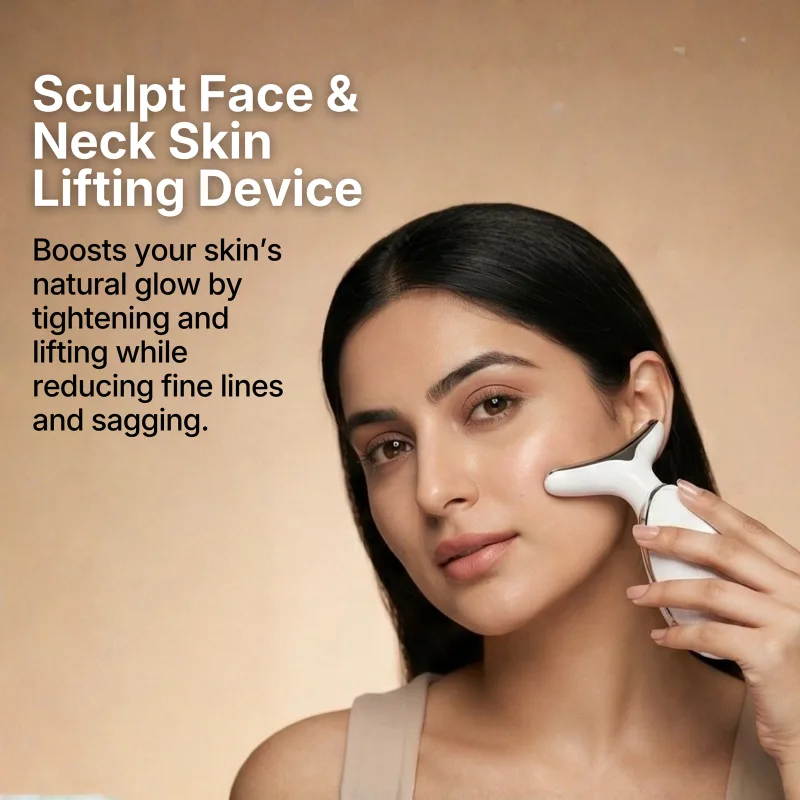
- Neck (about 1 minute). Glide from the base of the neck upward towards the jaw, in slow, smooth strokes. Never press hard on the front of the throat.
- Jawline (about 1.5 minutes). Start at the chin and glide along the jaw towards the ear, one side at a time.
- Cheeks (about 1.5 minutes). Move from beside the nose and mouth upward and outward towards the temples.
- Forehead (about 1 minute). Glide from the brows up towards the hairline. Keep well away from the eyes unless your manual clearly allows the under-eye area.
- Finish. Massage any remaining serum in, follow with your usual moisturiser, and wipe the device head clean.
Always glide upward and outward. Mild warmth or tingling can be normal; stinging, burning or redness that does not settle means you should lower the setting or stop.
How often should you use it, and when will you see results?
Consistency beats intensity. Short, regular sessions a few times a week, as your device's manual suggests, work better than a long session once a fortnight. Doing more, or using a higher level, does not speed results and can irritate the skin.
Many people notice a fresher look right after a session. Any firmer look over time tends to build gradually across several weeks of steady use, so judge it after a month or two, not after three days. Take a photo in the same light at the start and every few weeks; small changes are easy to miss in the mirror. Once you are happy, you can usually drop to fewer sessions to maintain the look. If you stop completely, expect your skin to drift back to how it was.
If you are preparing for a wedding or festive season, start at least two to three months ahead and use it again a few hours before the event for that short-term lift. Our bridal skin care countdown shows where it fits with other treatments.
Who should not use a face lifting device?
Please skip it, or check with your doctor first, if any of these apply:
- You have a pacemaker or any implanted electronic device. Do not use an electrical lifting device at all.
- You are pregnant. Check with your doctor before using one.
- You have broken skin, cuts, active breakouts or a skin infection in the area.
- You have had fillers, Botox, threads, peels or any facial procedure recently. Ask the doctor who treated you how long to wait.
- You have epilepsy, metal implants in the face, a heart condition or any medical condition you are unsure about. Ask your doctor first.
What else helps sagging and the jawline look better?
A device works best as one part of a routine. These habits often matter just as much:
- Sunscreen every day, including cloudy monsoon days and the neck. Sun exposure is one of the biggest reasons skin loses firmness early.
- Posture. Looking down at your phone for hours folds the neck skin and softens the jawline in photos. Raise the screen to eye level when you can.
- Sleep and steady weight. Quick weight changes, poor sleep and salty late dinners all affect how full or puffy the face looks.
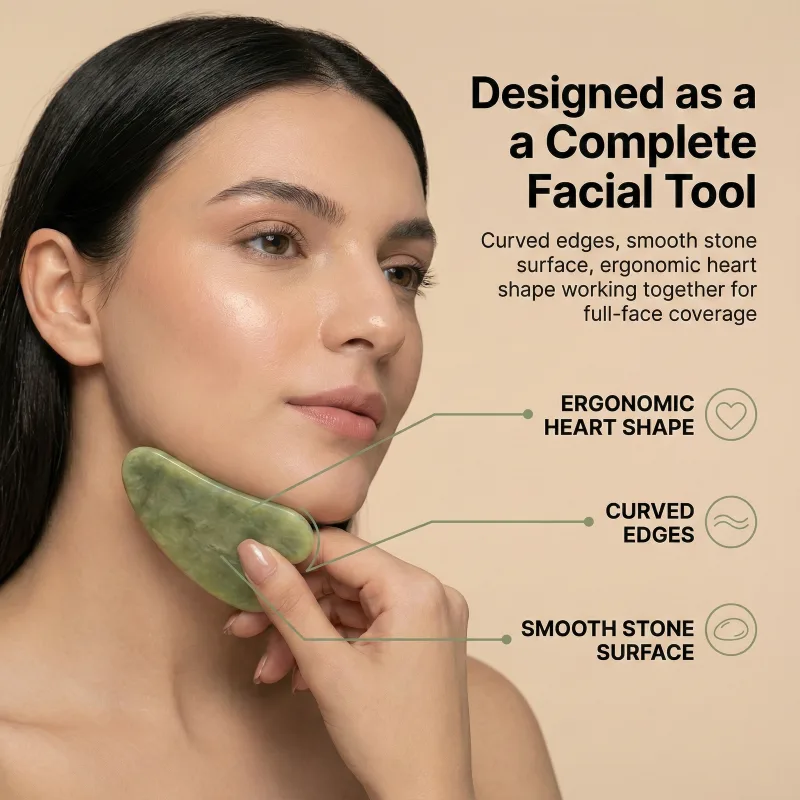
- Gentle massage. Manual massage with a stone tool is a calmer, current-free way to depuff and ease jaw tension. See our step-by-step gua sha routine.
- Moisturise and consider proven actives. A dermatologist can advise whether ingredients such as retinoids suit your skin.
Trying a lifting device at home
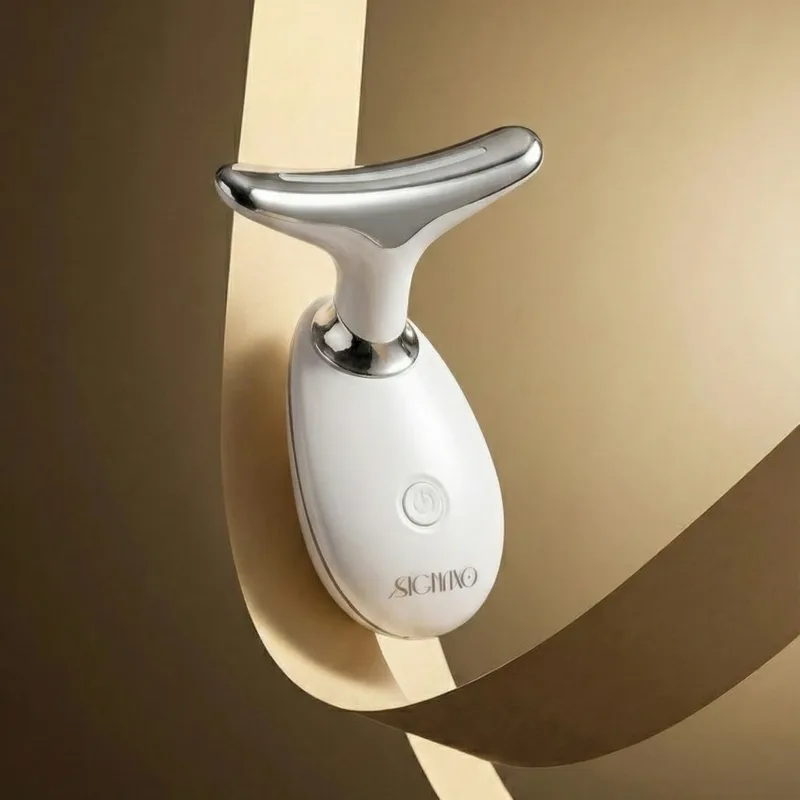
If your concern is early sagging along the jaw and neck, fine lines or tired-looking skin, an at-home device such as the Sculpt Face & Neck Lifting Device fits naturally into the 5-minute routine above. Use it over a serum or gel, start on the lowest setting and always glide upward and outward. It is not meant for deep folds or loose skin, and it should not be used with a pacemaker or implanted electronic device, on broken skin or breakouts, soon after fillers, Botox or procedures, or during pregnancy without a doctor's advice.
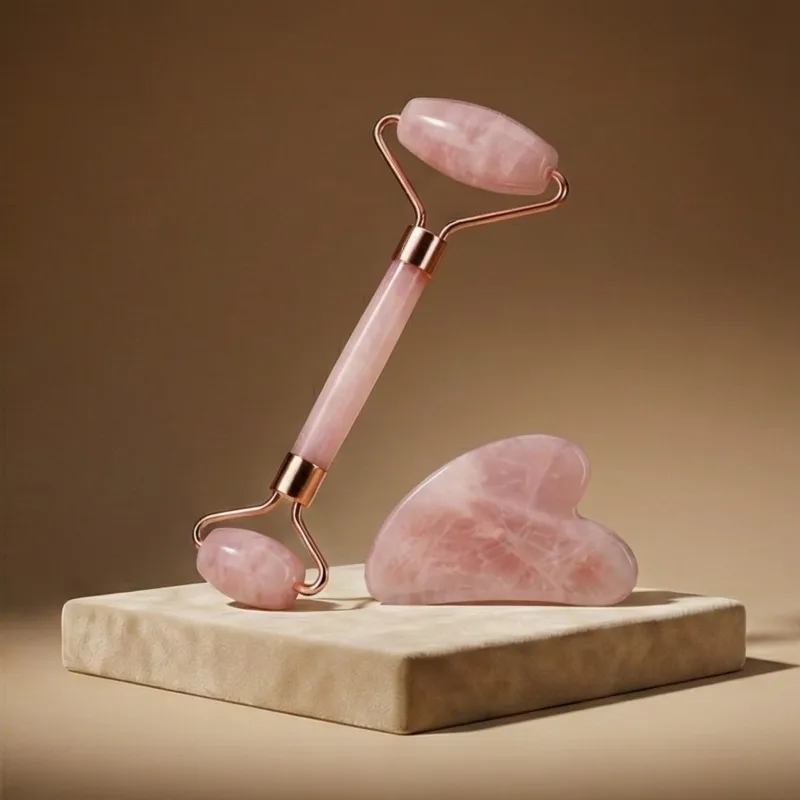
On days you want something gentler, a stone massage set such as the rose quartz roller and gua sha helps with puffiness and jaw clenching without any current. If you also want to work on dullness or early fine lines, our guide to what an LED face mask can and can't do explains how light therapy differs from lifting.
When should you see a dermatologist?
See a dermatologist if sagging seems to be happening quickly, if one side of the face looks different from the other, if you have marked loose skin or deep folds, or if your skin reacts badly to any device. They can tell you what is realistic for your skin and whether a clinic treatment would serve you better than a home device.
Not sure whether a lifting device suits your skin and goals? Message the Signaxo team on WhatsApp at +91 98116-65715 or write to hello@signaxo.com, and they will help you choose honestly, even if the answer is a simpler routine.