
Short answer: A good home pedicure takes about 30 minutes. Remove old polish, smooth hard skin while your feet are still dry, trim and file your nails, then soak your feet in lukewarm water for about 10 minutes. Gently push back the cuticles (don't cut them), dry carefully between the toes and finish with a thick foot cream. A full pedicure every 3–4 weeks is enough for most people, with a little foot care in between.
Key takeaways
- Smooth calluses on dry feet, before soaking. Wet, softened skin comes off too easily and can leave sore patches.
- Cut toenails straight across and file only the sharp corners. Rounding or digging into the corners can lead to ingrown nails.
- Push cuticles back gently after soaking. Cutting them removes a natural seal against infection.
- Dry well between the toes, especially in monsoon, because damp skin there is prone to fungal infection.
- People with diabetes, poor circulation or numb feet should ask their doctor before doing a home pedicure.
What do you need for a pedicure at home?
You don't need a parlour kit. Most of it is already in your bathroom:
- A tub or bucket wide enough for both feet, and a clean towel
- Acetone-free nail polish remover and cotton pads
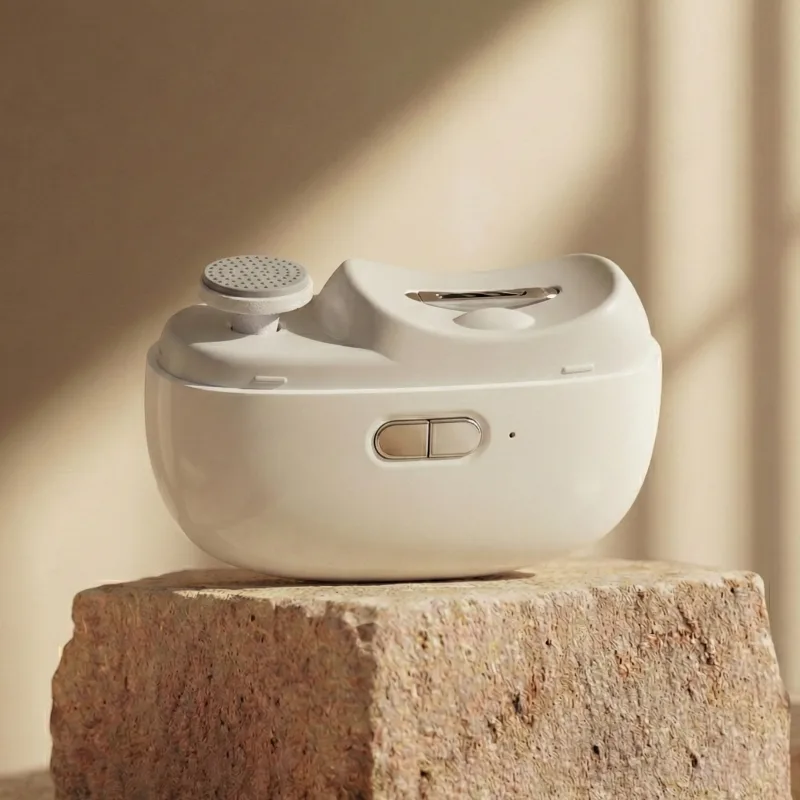
- A nail clipper or electric nail clipper, and a nail file
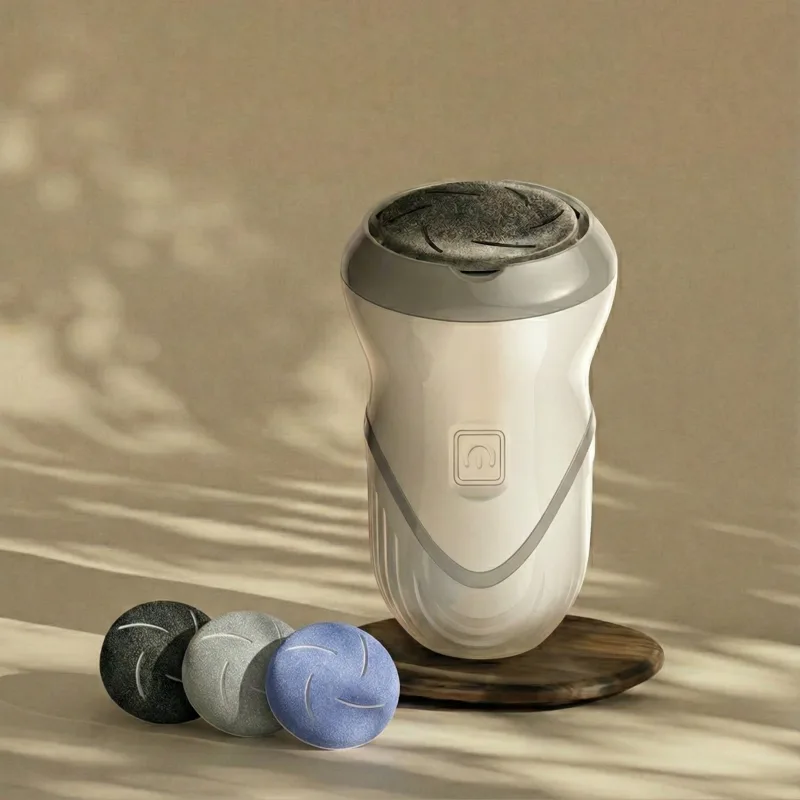
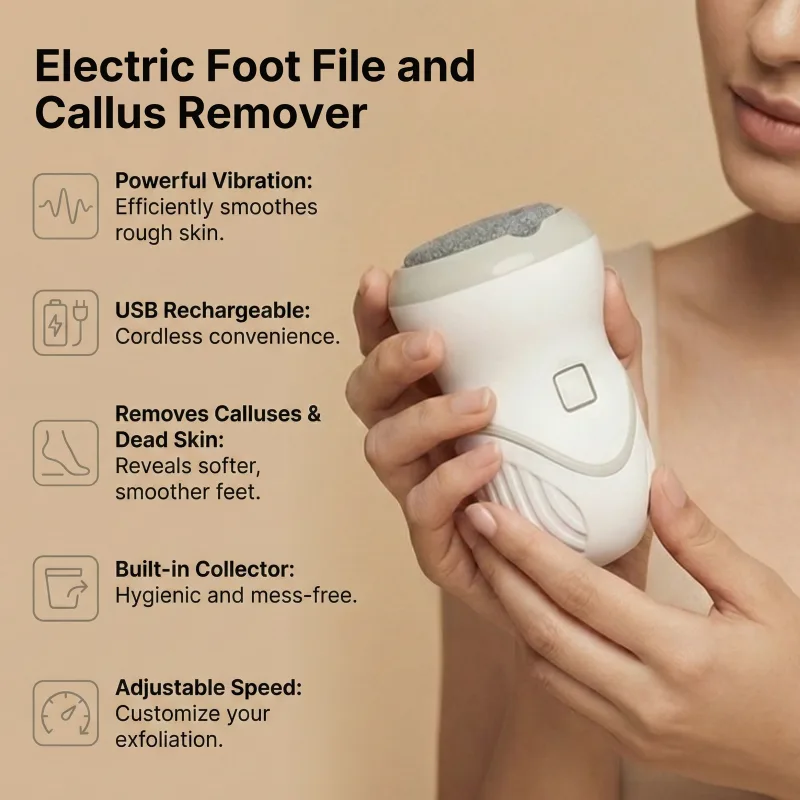
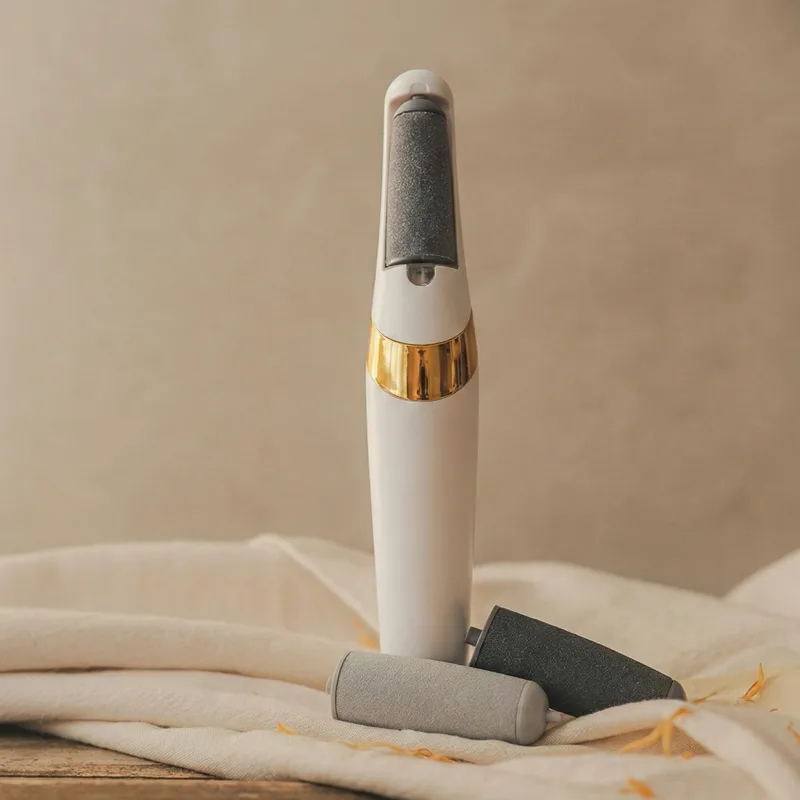
- A foot file, pumice stone or electric callus remover
- A mild body wash or shampoo for the soak
- An orange stick (or cotton bud) for cuticles
- A thick foot cream, ideally with urea, glycerin or petroleum jelly
- Optional: cuticle oil or any plain plant oil, cotton socks, base coat and polish
Wipe the tub and tools with soap and water first. A clean setup matters more than any fancy product.
How to do a pedicure at home, step by step
The order below differs from the usual parlour routine on purpose. Hard skin is easier to control when it is dry, and nails file more evenly before they swell with water.
- Remove old polish (2 minutes). Press a soaked cotton pad on each nail for a few seconds, then wipe from the base to the tip. Look at your bare nails in good light: thick, yellow or crumbly nails are worth showing a doctor.
- Smooth hard skin on dry feet (5 minutes). Work on heels, the balls of the feet and the sides of the big toes. With a manual file, use light strokes in one direction. With an electric callus remover, keep it moving, spending only 2–3 seconds on each spot without pressing. Stop while the skin still feels slightly firm, because removing too much makes it grow back thicker.
- Trim and shape nails (5 minutes). Cut toenails straight across, leaving them level with the tip of the toe. File the sharp corners lightly in one direction rather than sawing back and forth.
- Soak (10 minutes). Fill the tub with lukewarm water, not hot, and add a few drops of mild body wash. Ten minutes is plenty. Longer soaks dry the skin out, especially in hard-water cities.
- Clean and care for cuticles (3 minutes). Gently push the softened cuticles back with an orange stick wrapped in cotton. Clean under the nails with the same stick. Don't cut the cuticles or the skin at the sides of the nails.
- Rinse and dry thoroughly (2 minutes). Rinse your feet in clean water. Pat them dry, then dry between each toe with a corner of the towel.
- Moisturise (3 minutes). Massage a thick foot cream into heels and soles, and a drop of oil into the cuticles. Skip the cream between the toes so that skin stays dry.
- Polish, if you like. Wait 10–15 minutes so the cream doesn't stop polish from sticking. Wipe the nail surfaces with remover, then apply a base coat, two thin coats of colour and a top coat.
How long does each step take?
| Step | Time | Dry or wet feet? | What to watch for |
|---|---|---|---|
| Remove polish | 2 min | Dry | Discoloured or thickened nails |
| Smooth calluses | 5 min | Dry | Stop before skin feels tender |
| Trim and file nails | 5 min | Dry | Straight across, no digging into corners |
| Soak | 10 min | Wet | Lukewarm water only |
| Cuticles and cleaning | 3 min | Damp | Push back, never cut |
| Rinse and dry | 2 min | Wet to dry | Dry between the toes |
| Moisturise | 3 min | Dry | No cream between toes |
Why shouldn't you smooth calluses after soaking?
Soaking softens hard skin, so it seems easier to file afterwards. The problem is that wet skin softens all the way down, so it is hard to tell when to stop. It is easy to file into healthy skin and leave the heel raw or sore a day later. Dry, firm skin shows you exactly what is rough and what isn't.
If your heels are cracked rather than just rough, be gentler still and focus on nightly moisturising. Our guide to healing cracked heels at home covers that winter routine in detail.
Should you cut your cuticles during a pedicure?
No. The cuticle is a thin seal that keeps water and germs out of the area where the nail grows. Cutting it can leave small openings, and the skin often grows back ragged. Pushing it back gently after a soak gives the same neat look. If you have hangnails, snip only the loose flap of skin with clean, sharp scissors, close to the base, and moisturise afterwards.
How do you keep a home pedicure hygienic?
A clean home pedicure is one of the main reasons to do it yourself. Shared tools that are not properly cleaned can spread fungal and other infections. A few habits make a big difference:
- Keep your own tools and don't share files, pumice stones or clippers, even within the family.
- Wash tools with soap and warm water after each use, let them dry fully and store them dry. Wipe metal parts with rubbing alcohol from time to time.
- Replace pumice stones and emery boards when they look worn or stained. Clean rollers on an electric callus remover as the instructions describe and replace them when they feel smooth.
- In monsoon, dry your feet properly after every wet walk, and change out of damp socks or closed shoes as soon as you can.
- Skip the pedicure if you have a cut, blister, wart, or itchy, peeling skin between the toes. Let it heal or get it checked first.
Using electric tools for an easier home pedicure
Electric tools don't change the steps, but they can make two of them faster and more even, which helps if bending over your feet is uncomfortable.
For hard skin
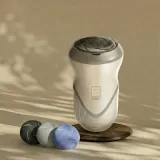
A rechargeable callus remover such as the PediXpert callus remover uses a rotating roller instead of hand filing. Use it only on dry feet, 2–3 seconds on each spot without pressing, once or twice a week at most, and always follow with foot cream. It is meant for everyday rough, thick skin. It won't fix deep, painful cracks, and it shouldn't be used on cuts, warts or infected skin.
For nails
An electric clipper with a built-in file, like the NailEase 2-in-1 nail clipper and file, trims and smooths in small steps. This is useful if your eyesight, grip or flexibility makes a regular clipper awkward. Very thick toenails may still need a doctor or podiatrist. If you also look after a parent's feet, our guide on cutting nails for elderly parents has extra safety tips.
You can find both tools, along with other foot and body tools, in our body care essentials.
How often should you do a pedicure at home?
| Task | How often | Notes |
|---|---|---|
| Full pedicure | Every 3–4 weeks | Toenails grow slowly, so more often isn't needed |
| Callus smoothing | Once or twice a week | Less often if your skin is thin or sore |
| Foot cream | Every night | Cotton socks over it help in dry winters |
| Drying between toes | After every wash | Most important in monsoon and humid weather |
| Quick polish touch-up | As needed | A fresh top coat every few days reduces chipping |
Before a wedding or festival, do your full pedicure 2–3 days ahead rather than the night before. That gives any small soreness time to settle, and the polish time to harden properly before you wear new sandals.
Who should not do a pedicure at home?
A home pedicure is gentle, but some feet need professional care:
- Diabetes, poor circulation or numbness in the feet: small nicks may go unnoticed and heal slowly. Ask your doctor first, and consider having nails and calluses cared for by a professional.
- Ingrown toenails that are red, swollen or painful: see a doctor rather than digging at the corner.
- Thick, yellow or crumbly nails, or itchy, peeling skin between the toes: these can be signs of fungal infection and need proper diagnosis.
- Corns that hurt when pressed, warts or open cracks that bleed: leave these alone and get them checked.
If you'd like help picking a foot or nail tool that suits your feet, or someone at home, you can message Signaxo on WhatsApp at +91 98116-65715. Otherwise, start with just the soak, gentle filing and nightly foot cream. Most feet feel noticeably softer within a couple of weeks.