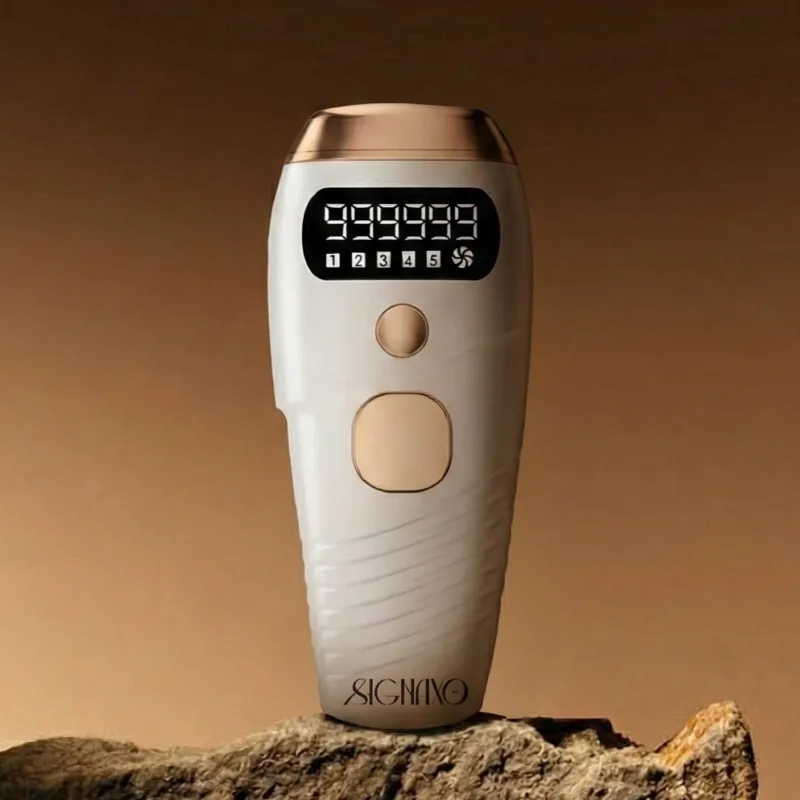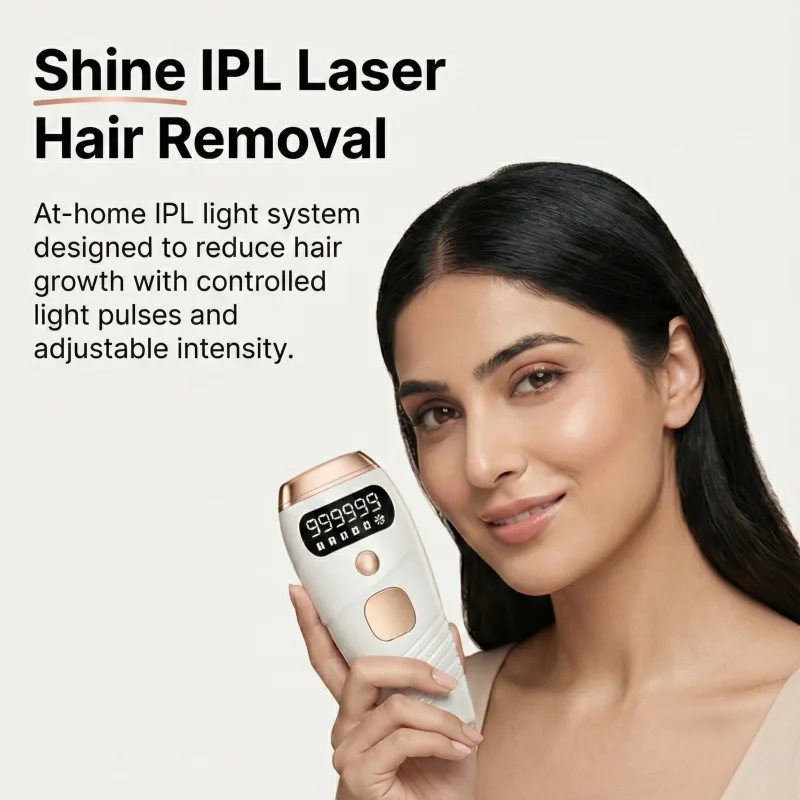
Short answer: yes, at-home IPL is safe and effective for many Indian skin tones — mainly light to medium brown skin (Fitzpatrick types III–IV) with black or dark brown hair. Deep brown skin (type V) needs extra care: a patch test, the lowest settings and a device whose maker allows type V. Very deep brown to black skin (type VI) should not use at-home IPL; a dermatologist-supervised Nd:YAG laser is the safer choice. IPL won’t work on grey, white, blonde or red hair on any skin tone.
Why skin tone matters for IPL
IPL works by selective photothermolysis: the flash is absorbed by melanin, the dark pigment in the hair, which heats up and slows regrowth from the follicle. Skin contains melanin too. The more pigment your skin has, the more light it absorbs instead of the hair. That reduces results and raises the risk of redness, burns or dark spots (post-inflammatory hyperpigmentation).
So the ideal IPL candidate has contrast: hair darker than the skin around it. Many Indian users have exactly that — thick, dark hair — which is why IPL can work well, as long as the skin isn’t too deep in tone.
Find your Fitzpatrick skin type
The Fitzpatrick scale groups skin into six types by how it reacts to sun. Most Indian skin falls between types III and V.
| Type | Typical description | Sun reaction | At-home IPL |
|---|---|---|---|
| I–II | Very fair | Burns easily, tans little | Suitable |
| III | Fair to wheatish | Sometimes burns, tans gradually | Suitable — start low |
| IV | Wheatish to medium brown | Rarely burns, tans easily | Usually suitable — patch-test, low to medium levels |
| V | Deep brown | Very rarely burns | Caution — lowest level, patch-test, only with devices rated for type V |
| VI | Very deep brown to black | Never burns | Not suitable — see a dermatologist about laser |
Not sure where you fit? The free IPL skin tone checker asks three questions and gives you a clear answer. Check a part of your body that doesn’t see much sun, such as the inner arm.
What major brands say about darker skin
Brands draw the line in slightly different places, which is useful to know before you buy:
- Braun says its Silk-expert Pro 5 suits most skin types up to type V (dark brown), but not type VI.
- Philips says Lumea is not suitable for dark brown to dark skin on its US and UK help pages, while some product listings say “fair to dark brown”.
- Ulike warns that IPL may pose safety concerns for darker skin tones.
- Signaxo recommends its IPL devices for types I–IV, a careful patch test at type V, and not for type VI.
There is no “special IPL for Indian skin”. Any device that claims to be safe for every skin tone deserves a closer look. What helps on brown skin is fine control: several low intensity levels, a skin-tone sensor if available, and the discipline to patch-test. Compare devices on the IPL comparison page.
How to use IPL safely on brown skin
- Avoid sun and tanning for two weeks before you start and between sessions. Tanned skin is darker skin. Wear sunscreen on treated areas.
- Shave the day before, not right before, so tiny nicks have closed. Never wax, thread or pluck between sessions — IPL needs the root.
- Patch-test on the lowest level on a small area and wait 24 hours. Mild warmth is fine; blistering, lasting redness or darkening is not.
- Increase one level at a time, and only if the previous level felt comfortable. You don’t need the highest level to get results.
- Don’t double-flash the same spot in one session.
- Skip moles, tattoos, birthmarks, melasma patches and any skin with active acne, eczema or a wound.
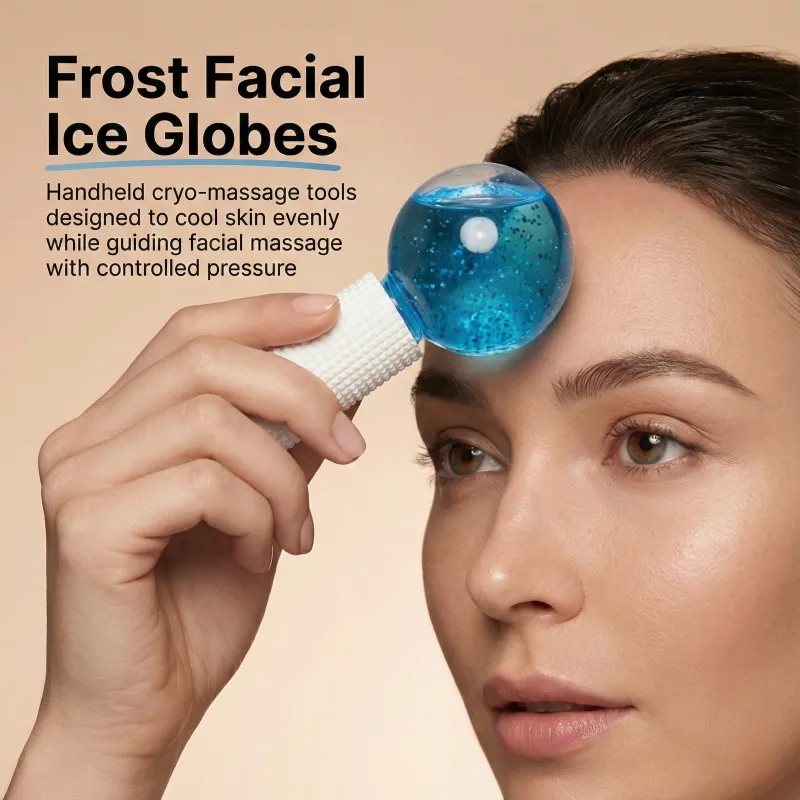
- Cool down afterwards with a cold compress or ice globes, and avoid hot showers, scrubs and actives for 24–48 hours.
Pause IPL and speak to a doctor if you take photosensitising medicine such as isotretinoin, are pregnant or breastfeeding, or have epilepsy.
What results to expect
Follow a regular schedule: a session every 2 weeks for 12 weeks, then monthly touch-ups (see the 12-week IPL plan). Most people with dark hair on light-to-medium brown skin notice slower, finer, patchier regrowth by sessions 4–6. On type IV–V skin you may use lower levels, so results can take a little longer.
Hormonal hair — on the chin, upper lip or abdomen, common with PCOS — responds more slowly and needs ongoing touch-ups (see IPL for face and upper lip). Fine, light “peach fuzz” won’t respond at all, because it has too little pigment.
When a clinic laser is the better choice
Choose a dermatologist-led laser instead of at-home IPL if your skin is type VI, if you’ve had dark spots after hair removal before, or if you want faster results on very coarse hair. Clinics often use Nd:YAG (1064 nm) lasers for deeper skin tones because the longer wavelength passes the skin’s surface pigment more easily. It costs more: Kaya lists full legs at about ₹5,110 for one session or ₹24,640 for six. Compare the long-run cost with the hair removal cost calculator and read at-home IPL vs salon laser vs waxing.
This guide is general information, not medical advice. If you have a skin condition or are unsure about your skin type, ask a dermatologist before using IPL.