Short answer: The safest everyday way for women to remove upper lip, chin and side-lock hair at home is a small face trimmer. It is painless, quick and gentle on skin that darkens easily. Threading and waxing last longer but can cause bumps and darkening on Indian skin. Hair removal creams work on some faces but irritate others. At-home IPL can slowly reduce dark facial hair over a few months if your skin tone suits it. If coarse hair suddenly appears on your chin, jaw or neck, see a doctor before you choose a method.
Key takeaways
- Shaving or trimming facial hair does not make it grow back thicker or darker. The regrowth only feels blunt because the hair is cut straight across.
- Threading and waxing pull hair from the root and last 2–4 weeks, but repeated friction can leave the upper lip looking darker on brown skin.
- Facial hair removal creams must be the face formula. Always patch-test them, and never use them on skin you have just threaded, waxed or exfoliated.
- At-home IPL works only on dark hair (black, dark or light brown) on skin types I–IV, or type V with care. It reduces hair over time but does not remove it permanently, and hormonal chin hair is slower to respond.
- Sudden coarse hair on the chin, jaw, neck or chest, together with irregular periods or acne, can be a sign of PCOS and is worth a doctor's check.
Why do women get facial hair at all?
Almost every woman has some facial hair. Most of it is soft, light vellus hair, often called peach fuzz. Many Indian women also have darker hair on the upper lip, the sides of the face (side-locks) and the chin. This is usually down to genetics and normal hormone levels, and it is not a sign that anything is wrong.
A few patterns are different. Hair that turns terminal, meaning thick, dark and coarse, in places like the chin, jawline, neck or chest is worth paying attention to, especially if it comes on quickly. More on that below.
What are the options for removing facial hair at home?
Each method has its place. The best one depends on how much hair you have, how sensitive and pigment-prone your skin is, and how often you are happy to repeat it.
| Method | How long it lasts | Comfort | Best for | Watch out for |
|---|---|---|---|---|
| Face trimmer / shaver | 2–4 days | Painless | Upper lip, side-locks, peach fuzz, sensitive or pigment-prone skin | Needs frequent repeats; blunt regrowth on coarse chin hair |
| Threading | 2–4 weeks | Stings | Upper lip, brows, small areas | Bumps, breakouts, darkening from friction |
| Waxing | 3–4 weeks | Painful | Side-locks, larger patches of hair | Can lift skin, especially on retinoids; redness and darkening |
| Face hair removal cream | 3–7 days | Painless if tolerated | Fine to medium hair on non-sensitive skin | Stinging, rash or burns if left on too long; strong smell |
| Tweezing | 2–6 weeks | Sharp but brief | A few stray chin hairs | Ingrown hairs and marks if you dig |
| At-home IPL | Gradual long-term reduction with touch-ups | Warm snap | Dark hair on skin types I–IV (V with care) | Not for blonde, grey or white hair; hormonal hair is slow |
For a wider look at body hair as well, see our guide to choosing a hair removal routine.
Does shaving facial hair make it grow back thicker?
No. This is the most common worry, and it is a myth. A razor or trimmer cuts the hair at the surface and does nothing to the root. The hair can feel stubbly because the cut tip is blunt rather than tapered, and dark hair can show a faint shadow under the skin. Its thickness, colour and growth rate do not change.
For many Indian women, trimming is actually the gentlest option on the upper lip. There is no pulling or heat, and no chemicals. That means much less risk of the darkening that friction-based methods can leave behind. The trade-off is time, because regrowth shows in a few days.
How to trim upper lip and chin hair neatly
- Start with a clean, completely dry face. Oil and moisturiser make the head drag.
- Use a small head made for the face, not a body razor.
- Hold the skin taut with one finger. For the upper lip, press your tongue behind it or gently stretch it downwards.
- Glide slowly in short strokes. On sensitive skin, go with the direction of hair growth first.
- Rinse with cool water, pat dry and apply a plain, fragrance-free moisturiser.
- Clean the head after every use, and do not share it.
Is threading or waxing better for the upper lip?
Both pull hair out from the root, so both last longer than trimming. Threading is precise and needs nothing on the skin. Waxing covers an area in one go, which some people find quicker for side-locks.
The catch on brown skin is post-inflammatory darkening. Repeated pulling, stretching and small bumps can slowly leave the upper lip a shade darker than the rest of the face. Here is how to lower the risk:
- Never wax or thread skin that is sunburnt, freshly exfoliated, or on retinoids, isotretinoin or strong acids.
- Keep the tools clean and avoid touching the area for a few hours afterwards. Breakouts after threading are often bacteria from hands or thread.
- Calm the skin straight after with something cool, and wear SPF that day.
- If you already see darkening on your upper lip, try a gentler method for a few months.
Are hair removal creams safe for the face?
They can be, if you use a formula made specifically for the face and follow the timing exactly. These creams dissolve hair at the surface, so results last only a few days. Facial skin is thinner than leg skin, so stinging, redness or a chemical burn is a real risk if you leave the cream on too long.
Patch-test a small spot on the jaw and wait 24 hours. Keep the cream well away from the eyes, lips and nostrils. Skip it if you have eczema, active acne, broken skin, or you are using retinoids. Bleaching creams only lighten hair rather than remove it, and they carry a similar risk of irritation.
Can I use IPL on my face as a woman?
Yes, for the right person. At-home IPL can give long-term reduction of dark hair on the upper lip, chin and jawline. It suits skin types I–IV with black, dark brown or light brown hair. Deep brown skin (type V) needs extra care and a patch test, and very deep skin (type VI) should not use it. It also will not work on blonde, red, grey or white hair, or on soft peach fuzz. Not sure where you fall? Try our IPL skin tone checker.
On the face, stay below the cheekbones and keep well away from the eyes and brows. Never use IPL over dark moles, tanned skin or tattoos. Check with a doctor first if you are pregnant or taking photosensitising medicine such as isotretinoin. Our step-by-step guide to IPL for the face and upper lip covers the technique in detail.
Expect it to be slow. Upper lip hair often looks finer and patchier around sessions 4–6. Hormonal chin hair usually takes longer and needs regular touch-ups. Results vary.
When is facial hair a sign of PCOS?
Talk to a doctor, ideally a gynaecologist, endocrinologist or dermatologist, if you notice any of these:
- Thick, dark hair appearing fairly quickly on the chin, jawline, neck, chest or lower tummy
- Irregular, missed or very heavy periods
- Persistent adult acne along the jaw, or thinning hair on the scalp
- Unexplained weight changes, or dark velvety patches on the neck or underarms
These can point to PCOS or another hormonal cause, which a few blood tests can usually check. Getting the underlying cause looked at matters for your health, not just your skin. It also explains why hormonal hair keeps returning however you remove it. You can keep trimming in the meantime, because trimming does not affect the hair cycle or any diagnosis.
What is a sensible facial hair routine at home?
For most women, a simple combination works well:
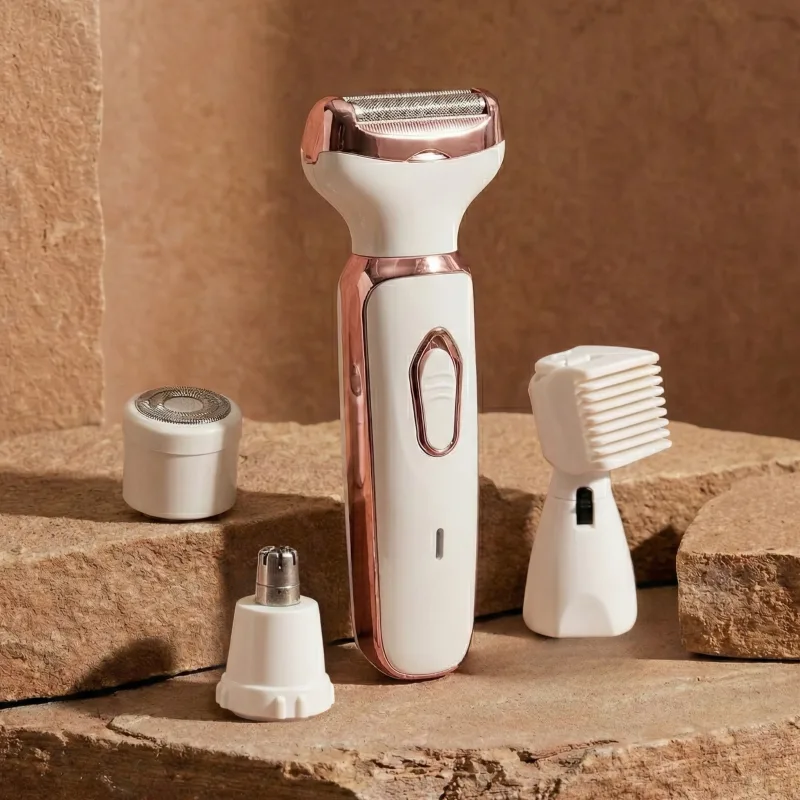
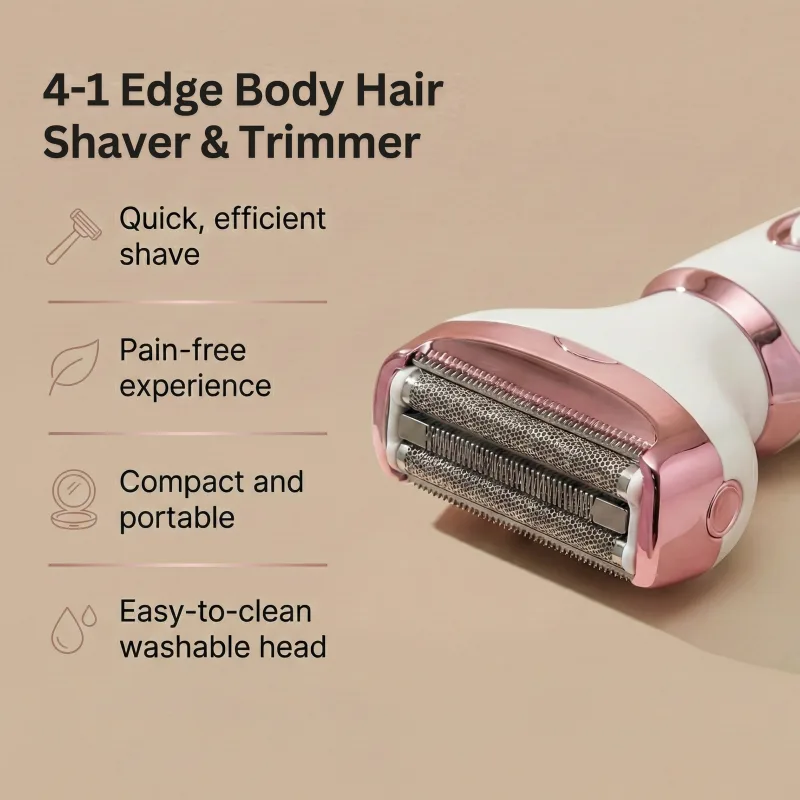
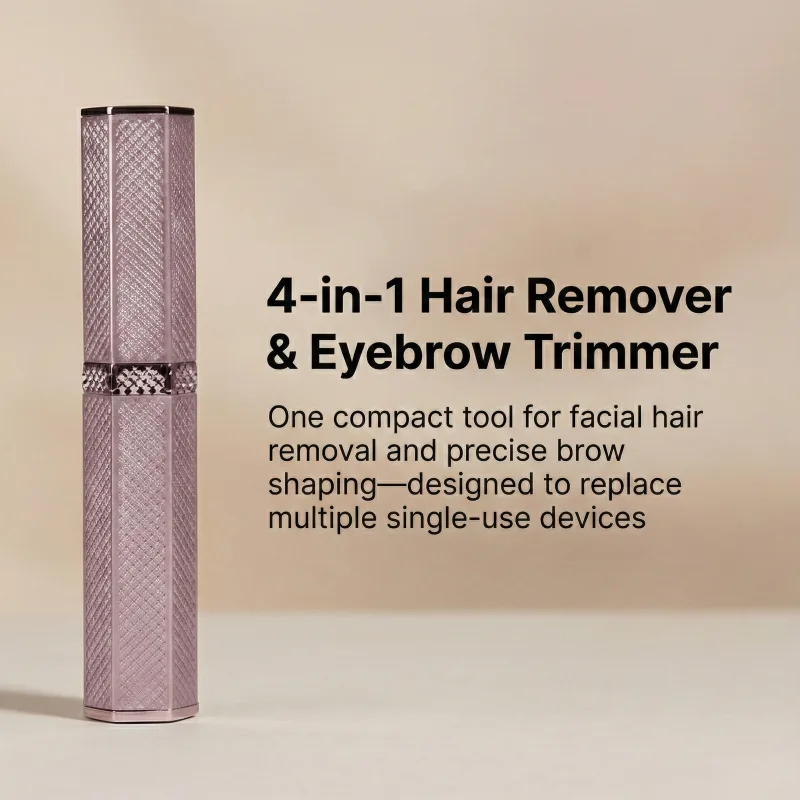
- Day to day: a small rechargeable trimmer such as the Edge 4-in-1 trimmer, which has a face head as well as heads for brows, underarms and body. It is painless, and regrowth shows in 2–4 days. It is also the right way to remove hair before IPL sessions, because waxing, threading and plucking take out the root that IPL needs to reach.
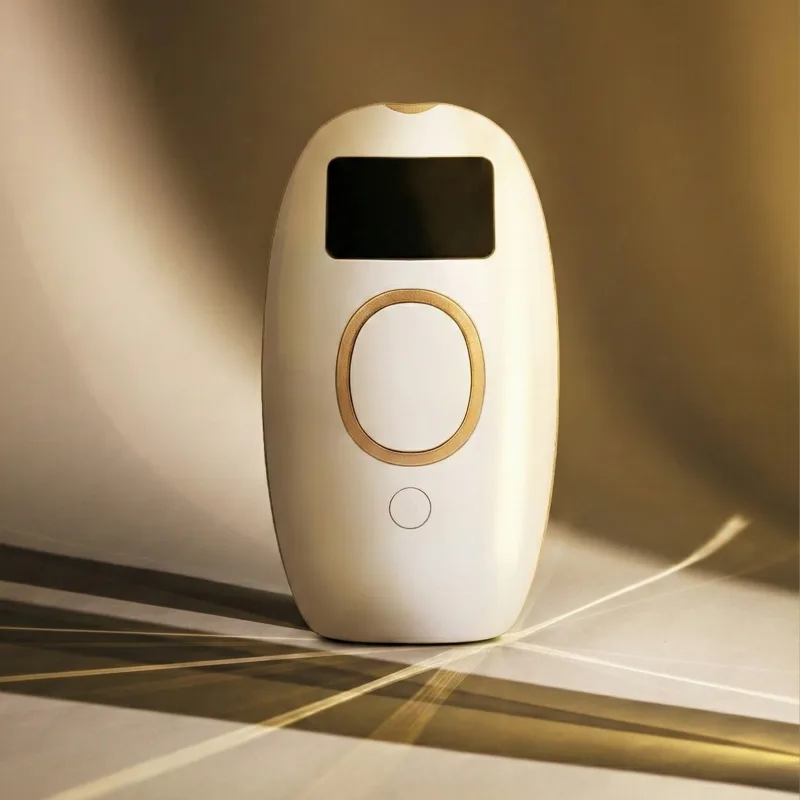
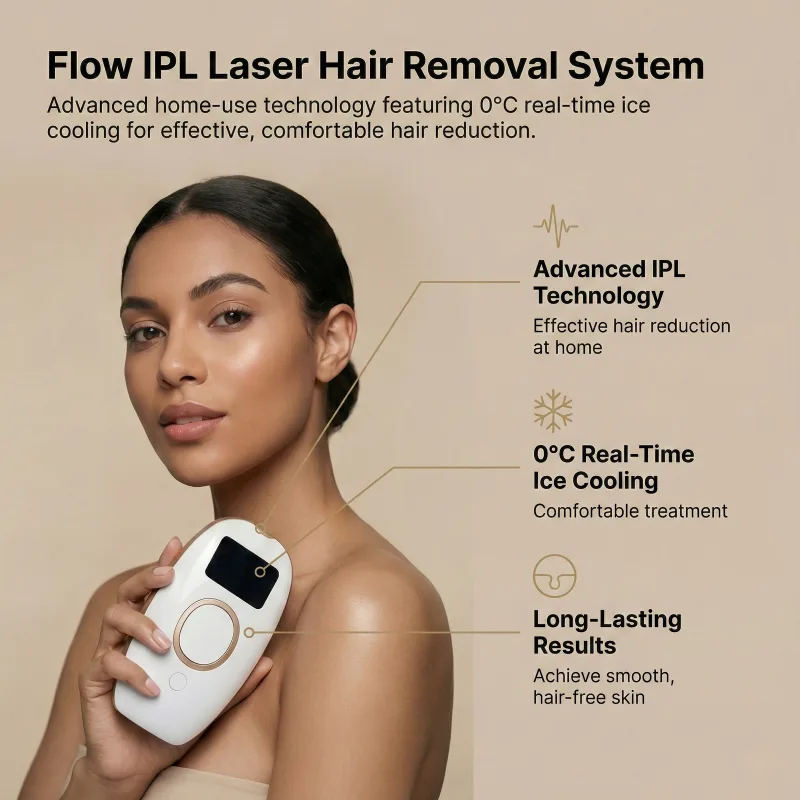
- Longer term, if your skin and hair suit it: an at-home IPL device such as the Flow IPL. Use it once every 2 weeks for 12 weeks after a 24-hour patch test on the lowest level, then touch up monthly. Trim between sessions. Our 12-week IPL session plan walks you through it.
- Every day: SPF on the face, which also helps keep upper-lip darkening from deepening.
Neither tool will change hormonal hair growth. Both are about managing the hair you see, comfortably.
If you are unsure which route fits your skin and hair, the skin tone checker above is a good place to start. You can also send a clear photo of the area to our team on WhatsApp at +91 98116-65715 for an honest suggestion, including when a doctor's visit should come first.