
Short answer: A facial massage can make your face look less puffy and more awake for a few hours, ease tightness in the jaw, temples and forehead, and help your serum or oil spread evenly. It feels calming, which is a real benefit on its own. What it cannot do is melt fat, permanently lift sagging skin, erase wrinkles or clear acne. Think of it as a pleasant daily habit with short-term, visible effects, not a treatment.
Key takeaways
- Facial massage mainly helps with puffiness, muscle tension and a fresher, more relaxed look, and these effects usually last hours, not weeks.
- Gentle pressure matters more than strong pressure: the fluid that causes puffiness sits just under the skin, so a light touch moving towards the ears and neck is enough.
- Five minutes, 3–5 times a week, over a few drops of oil or serum, is plenty for most people; gentle daily use is fine.
- Massage does not remove fat, shrink pores permanently, fix deep wrinkles or treat breakouts, and it should be skipped on active acne, broken skin or sunburn.
- Fingers, a roller and a gua sha all work; tools mostly add cooling and make it easier to keep pressure light and even.
What does facial massage actually do to your skin?
Most of us in India grew up with some form of malish, an oil head massage on a Sunday or a grandmother rubbing almond oil into a baby's cheeks. Facial massage works on the same simple idea: gentle, repeated pressure on skin and the muscles just underneath it.
When you massage, three things happen in the short term:
- Blood flow in the skin rises for a while. That is the warm, slightly pink look you see afterwards. On many Indian skin tones it reads as a healthy warmth rather than redness, and it fades within an hour or so.
- Fluid moves. Light strokes towards the ears and down the neck can shift some of the fluid that collects under the eyes and around the cheeks overnight.
- Muscles relax. The jaw, temples and the area between the brows hold a lot of tension, especially if you clench your teeth, squint at a screen or carry stress in your face.
The research on facial massage is limited and mostly small, so be wary of any promise that sounds dramatic. The honest picture is that its benefits are real but modest and temporary, and they add up only in the sense that a relaxed, well-moisturised face tends to look better day to day.
Does facial massage reduce puffiness?
Yes, this is the benefit most people notice first. Puffiness after sleeping flat, a salty dinner, a late night or a long flight is mostly fluid sitting in the soft tissue of the face. Gentle strokes from the centre of the face outwards, then down the sides of the neck, encourage that fluid to move along.
The key word is gentle. The lymph vessels that carry this fluid lie close to the surface, so pressing hard does not help more; it only drags the skin. A cool tool adds a second effect, because cold narrows surface blood vessels for a short while and makes the area look calmer.
If morning puffiness is your main concern, our guide on why your face looks puffy in the morning and quick fixes covers the causes, from sleep position to allergies, in more detail. Puffiness that is one-sided, painful, comes with itching or swelling of the lips, or does not settle by afternoon is worth showing to a doctor.
Can facial massage help with jaw clenching and facial tension?
For many people this is the most useful benefit. If you wake up with a tired jaw, grind your teeth during stressful weeks, or notice a frown line deepening from concentration, slow circles over the jaw muscle (just in front of your ear, the part that bulges when you bite down) and along the temples can feel genuinely relieving.
Massage can help those muscles feel looser and can make your expression look softer for a while. It is not a substitute for care if you have jaw pain, clicking, headaches or worn teeth; a dentist or doctor should look at those. But as a wind-down habit at night, a few minutes of jaw and forehead massage is easy and pleasant.
Does facial massage help serums absorb and give a glow?
Massage helps products spread evenly, and the gentle warmth and pressure make the routine feel more intentional, so you are less likely to rush or skip steps. Whether it pushes ingredients meaningfully deeper into the skin is not well established, so treat claims about "doubled absorption" with caution.
The "glow" after a massage is mostly that temporary rise in blood flow plus a layer of oil or serum catching the light. It is lovely before an event or a video call, and it is real, but it fades. Longer-lasting radiance still comes from the basics: gentle cleansing, a moisturiser that suits your skin, daily sunscreen and enough sleep. In the dry months, pairing massage with a good barrier routine helps; see our winter skin care routine for dry skin in India.
What can't facial massage do?
A lot of facial massage content online overpromises. Here is what it will not do, however often you do it:
- Remove face fat or a double chin. Fat changes with overall body weight, not local rubbing.
- Permanently lift sagging skin. It can make the jawline look a little more defined for a few hours by reducing puffiness, but loose skin stays loose. For a realistic look at firming tools, read do face lifting devices really work.
- Erase deep wrinkles. Relaxed muscles may soften expression lines slightly for a while; etched lines need other approaches, and sunscreen is still the most important prevention.
- Shrink pores or clear acne. Massaging over active breakouts can spread irritation and make them worse.
- Detox your skin. Skin does not store toxins that a massage can push out.
How to do a 5-minute facial massage at home
You need clean hands, a clean face and a few drops of a facial oil, serum or light moisturiser so your fingers or tool glide rather than drag. In humid weather or if you are acne-prone, choose a light, non-greasy serum or gel instead of a heavy oil. Cleanse first, especially after a day out in city pollution, so you are not working dirt and sunscreen into your skin.
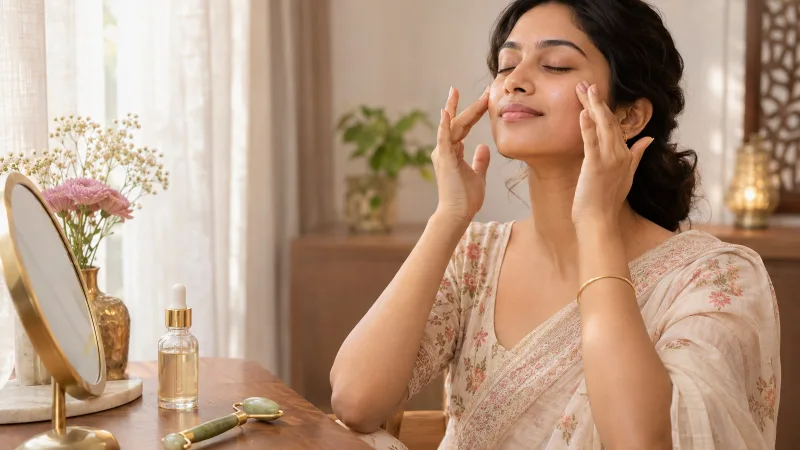
- Prep (30 seconds): Cleanse, pat dry and warm 3–4 drops of oil or serum between your palms. Press it gently over your face and neck.
- Neck (45 seconds): With flat fingers, stroke down the sides of your neck from just below the ears to the collarbones, 5–6 times. This is where the fluid from your face drains, so start here.
- Jaw (1 minute): Make slow circles over the jaw muscle in front of each ear, then glide from the chin along the jawline to the ear, 5–6 times each side.
- Cheeks (1 minute): Glide from beside the nose outwards across the cheekbones towards the ears. Keep pressure light; you should not see the skin pulled out of shape.
- Under the eyes (30 seconds): Using your ring finger, tap lightly from the inner corner outwards along the bone, never on the eyelid itself.
- Forehead and brows (1 minute): Stroke upwards from the brows to the hairline, then press gently between the brows and sweep outwards to the temples. Finish with small circles on the temples.
- Finish (15 seconds): Sweep once more down the neck, then apply moisturiser in the morning followed by sunscreen.
Do this 3–5 times a week, or daily if you enjoy it and your skin stays calm. Mornings suit depuffing; evenings suit tension relief.
Fingers, roller or gua sha: which should you use?
All three can deliver the same basic benefits. The difference is mostly in feel, cooling and how easy it is to keep pressure even.
| Method | Best for | How to use | Keep in mind |
|---|---|---|---|
| Fingertips | Jaw tension, temples, getting started | Over oil or serum, slow circles and outward glides | Free and always available; easy to press too hard, so stay light |
| Face roller | Morning puffiness, quick 2–3 minute sessions | Roll upward and outward 5–6 times per area | Cooler than fingers, especially from the fridge; less precise around the nose |
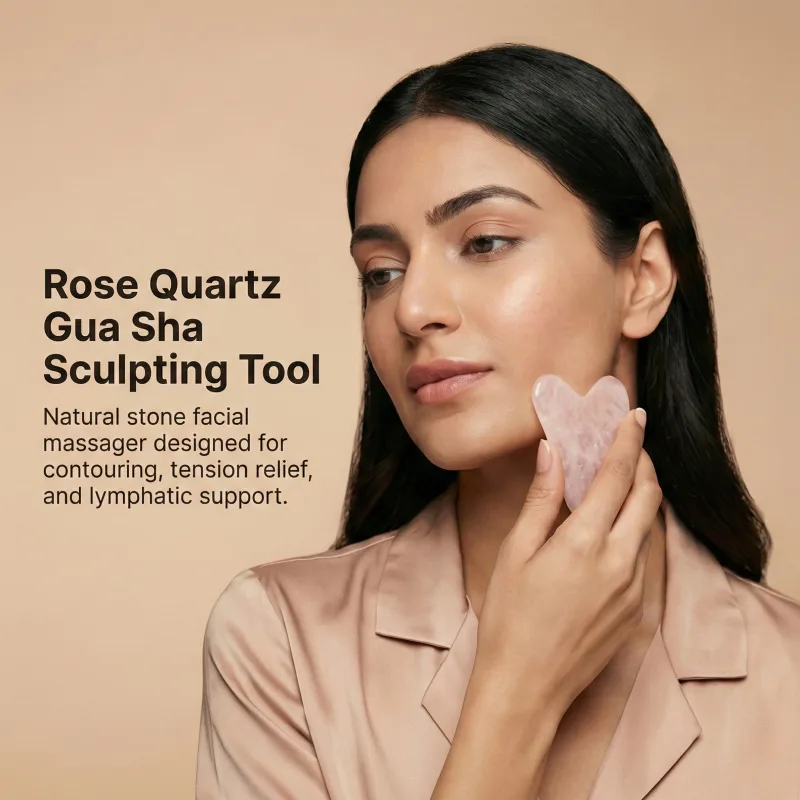
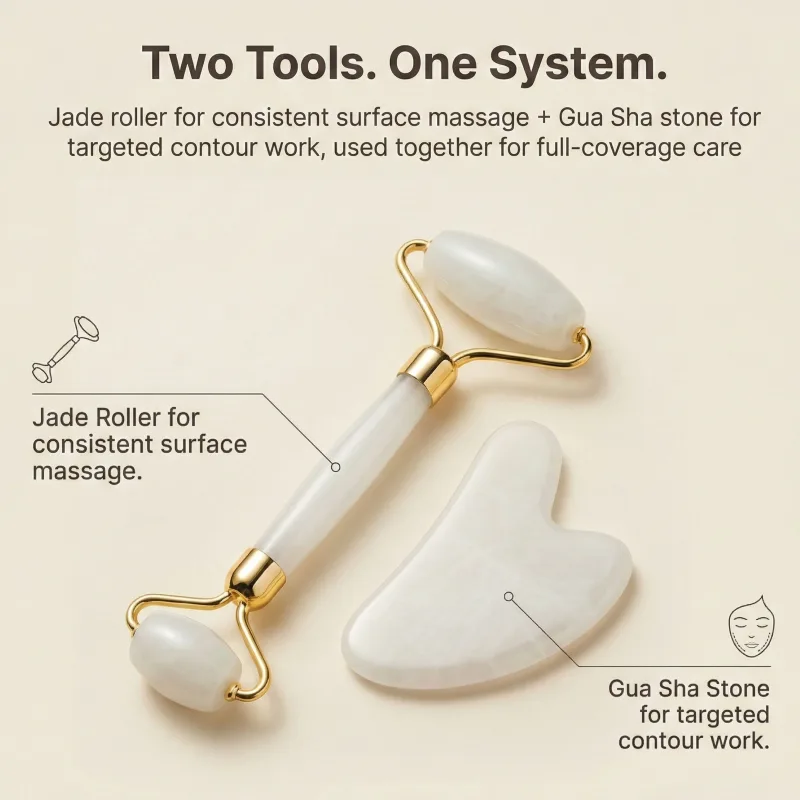
| Gua sha stone | Jawline, cheekbones, neck, a more relaxing ritual | Held almost flat, neck → jaw → cheeks → forehead, 3–5 strokes each | Needs a little practice; never scrape or angle it up steeply |
| Chilled roller or ice globes | Puffy mornings, warm humid days, before makeup | Keep moving, from the centre outward | Cooling effect is short-lived; do not hold cold on one spot |
Using a stone tool at home
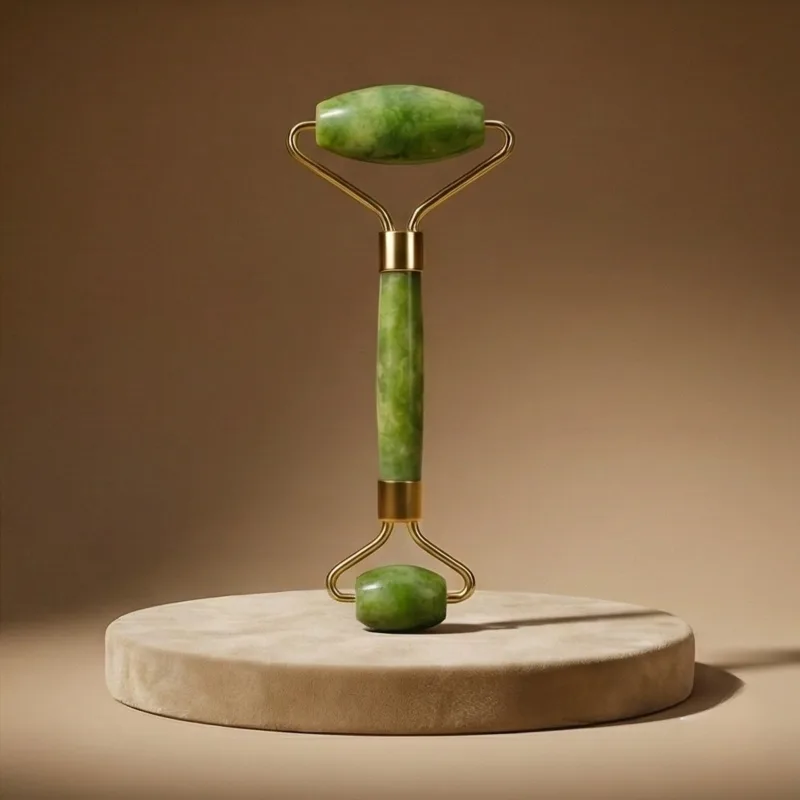
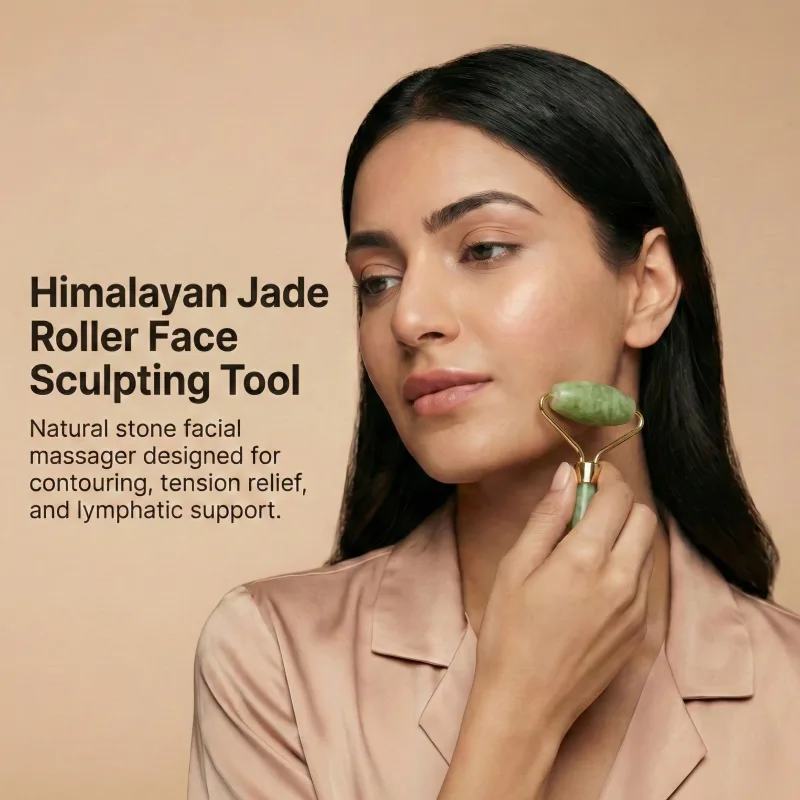
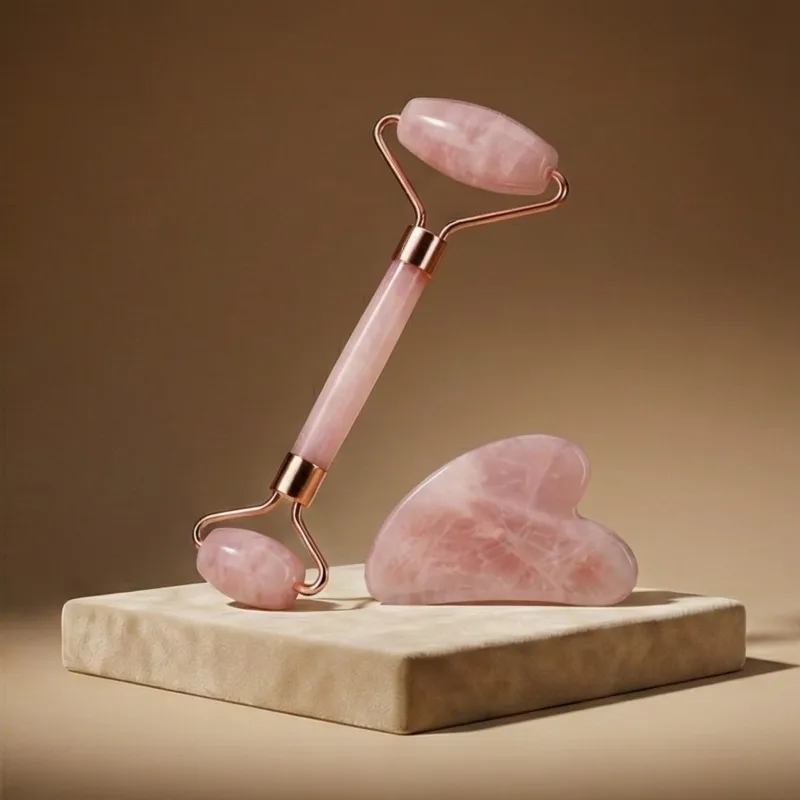
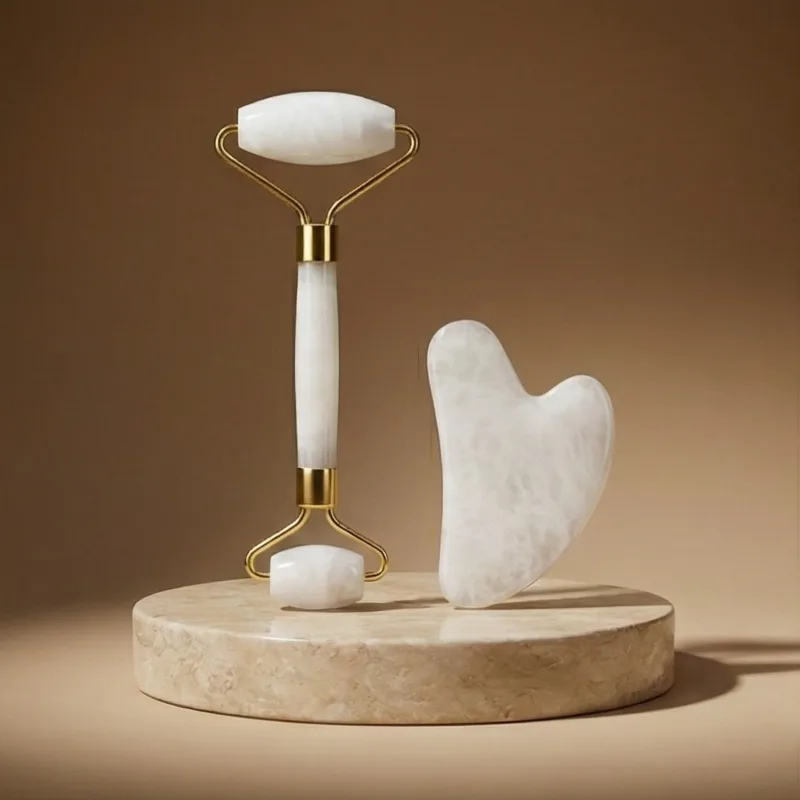
If you like the idea of a tool, a jade or rose quartz roller is the easiest start because it is hard to get wrong. Something like the Himalayan jade roller and face and neck massager works well for 3–5 minute morning sessions, and keeping it in the fridge adds extra depuffing on swollen mornings. If you want to try both a roller and a gua sha, a set such as the rose quartz roller and gua sha set lets you roll the cheeks and forehead and use the stone along the jaw and neck.
Be realistic about what a stone adds: cooling and a smooth, even glide, not extra lifting power. Wipe it clean after each use, and handle rose quartz with a little care, as it can chip if dropped on a hard bathroom floor. Not sure which stone suits you? Our jade roller vs rose quartz guide compares them, and how to use gua sha on face walks through the strokes in detail.
Who should skip facial massage or go extra gently?
- Active acne or inflamed breakouts: skip those areas entirely; massage can spread bacteria and irritation.
- Rosacea or visible broken capillaries: use feather-light pressure, avoid heat and avoid long sessions.
- Broken, peeling, sunburnt or freshly treated skin: wait until it has fully settled, including after a chemical peel or if retinoids are making your skin sore.
- After fillers, Botox or a facial procedure: follow your doctor's advice on how long to avoid pressing the area.
- Skin infections, cold sores, eczema flares or unexplained swelling: leave the area alone and see a dermatologist or doctor.
If your face feels sore, stings or stays red for hours after massage, you are pressing too hard or using a product your skin does not like. Lighten up, switch to a simpler oil or serum, and patch-test anything new.
The best way to know whether facial massage helps you is simply to try the five-minute routine for two weeks and notice how your mornings look and how your jaw feels. If you would like help choosing a roller or gua sha, the Signaxo team is happy to advise on WhatsApp at +91 98116-65715, or browse the facial essentials collection at your own pace.