Short answer: At-home IPL can make PCOS facial hair on the chin, jaw and upper lip finer, slower and patchier, as long as the hair is dark and your skin tone suits IPL. It is slower than on other areas, because the hormones behind PCOS keep switching on new hair follicles. Expect to need more sessions and regular touch-ups, and get your doctor involved, because managing the hormones underneath makes IPL far more worthwhile.
Key takeaways
- PCOS facial hair is driven by higher androgen (male-type hormone) activity, which turns fine, light hair into coarse, dark hair and keeps recruiting new follicles.
- IPL gives long-term hair reduction, not permanent removal, and hormonal areas such as the chin usually take longer to respond than legs or underarms.
- IPL suits black, dark brown and light brown hair on Fitzpatrick skin types I–IV; type V only with care and a patch test, and not type VI.
- Between sessions, shave or trim. Never thread, wax or pluck, because IPL needs the hair root in place.
- IPL handles the hair you can see; a doctor can help manage the hormones that make new hair grow.
Why is PCOS facial hair harder to get rid of?
With PCOS (polycystic ovary syndrome), the body often has more androgen activity than usual. Hair follicles on the chin, jawline, upper lip, neck and sometimes the chest and lower tummy are sensitive to these hormones. Over time, they turn soft, barely visible hair into thick, dark, coarse hair. Doctors call this pattern hirsutism.
That explains why so many women with PCOS say the chin hair "keeps coming back". Threading or waxing removes today's hair, but the follicles stay active. As long as hormone levels remain high, follicles that were quiet can start producing coarse hair too. So you are dealing with existing hair and newly activated hair.
This is also why PCOS hair often feels more stubborn than ordinary upper-lip fuzz. It tends to be deeper-rooted, coarser and quick to regrow, sometimes within days.
Can IPL work on PCOS facial hair?
Often, yes, within limits. IPL sends light that is absorbed by the dark pigment in the hair. The heat weakens the follicle, so regrowth slowly becomes slower, finer and patchier. Coarse, dark PCOS hair actually absorbs light well, which helps.
The limit is the hormones. IPL can weaken the follicles it reaches, but it cannot stop new follicles being switched on. Many women with PCOS see real progress on the chin and jaw, but they need more sessions than they would on the legs and a steadier touch-up habit afterwards. Results vary from person to person.
Whether IPL suits you also depends on your skin tone and hair colour. If you are unsure of your type, the IPL skin tone checker is a quick place to start, and our guide on IPL for Indian skin tones explains types III–VI in detail.
| Your situation | Is at-home IPL a fit? | What to do |
|---|---|---|
| Black or dark brown chin hair, light to medium brown skin (types I–IV) | Usually a good fit | Patch-test on the lowest level, then follow the plan below |
| Dark hair on deep brown skin (type V) | Only with extra care | Lowest levels, careful patch test, stop if skin darkens or blisters |
| Very deep brown skin (type VI) | Not suitable | Speak to a dermatologist about other options |
| Fine, light or grey hairs among the dark ones | Won't work on those hairs | Trim them; ask a dermatologist about other methods |
| Darker, velvety patches on the neck or jaw | Avoid those patches | Flash only around them; get the patches checked by a doctor |
Why does medical treatment matter alongside IPL?
Think of it this way: IPL deals with the hair, and your doctor deals with the reason the hair is growing. With PCOS, both matter.
A gynaecologist, endocrinologist or dermatologist can confirm the diagnosis, check related things such as irregular periods, acne, weight changes and blood sugar, and suggest a plan. That might include lifestyle changes or hormone-regulating medicines prescribed for you. When hormone activity is better controlled, fewer new follicles get switched on, so the hair IPL has already weakened is less likely to be replaced by fresh coarse hair.
Two cautions here. If you are pregnant or trying to conceive, check with your doctor before starting IPL. And if you take any prescription medicine, particularly for acne such as isotretinoin, ask whether it makes your skin sensitive to light. Photosensitising medicines and IPL don't mix.
How long does IPL take to show results on PCOS chin hair?
The standard routine is one session every 2 weeks for 12 weeks, then monthly touch-ups. Most people notice slower, finer, patchier regrowth around sessions 4–6. On a hormonal chin, it is common for change to show up later than that and for the improvement to be gradual rather than dramatic.
Here is a realistic plan. If your chin is still clearly improving at week 12, you can keep the 2-weekly sessions going a little longer before switching to touch-ups.
| Phase | How often | What you may notice |
|---|---|---|
| Weeks 1–4 (sessions 1–3) | Every 2 weeks | Little visible change; some hairs shed over 1–2 weeks after a session |
| Weeks 6–12 (sessions 4–7) | Every 2 weeks | Regrowth starts to look slower, finer and patchier; the chin often lags behind the upper lip |
| After week 12, if still improving | Continue every 2 weeks for a few more sessions | Steadier reduction on stubborn spots |
| Maintenance | Monthly, or whenever new dark hairs appear | Catches newly activated follicles before they thicken |
Take a photo of your chin and jaw in the same light before each session. Hormonal hair changes slowly, and photos show progress your mirror might miss.
How do you use IPL on the chin and jaw with PCOS?
The steps are the same as for any face area, with a little extra patience. Our detailed guide on IPL for the face and upper lip covers placement; here is the short version.
- Shave the night before or on the day. A clean shave or a close trim leaves the root in place for the light to reach. Don't thread, wax or pluck, during the course or between sessions.
- Patch-test first. Flash one small spot on the jaw at the lowest level and wait 24 hours. Mild warmth or pinkness that settles is fine; blistering, darkening or lasting pain means stop.
- Stay in the safe zone. Treat the upper lip, chin, jawline and neck only. Stay below the cheekbones, well away from the eyes and brows.
- Skip what shouldn't be flashed. Avoid dark moles, tattoos, tanned or sunburnt skin, active breakouts and any darker, velvety patches.
- Raise the level slowly. Increase only if your skin has been comfortable for a session or two. Higher isn't automatically better on brown skin.
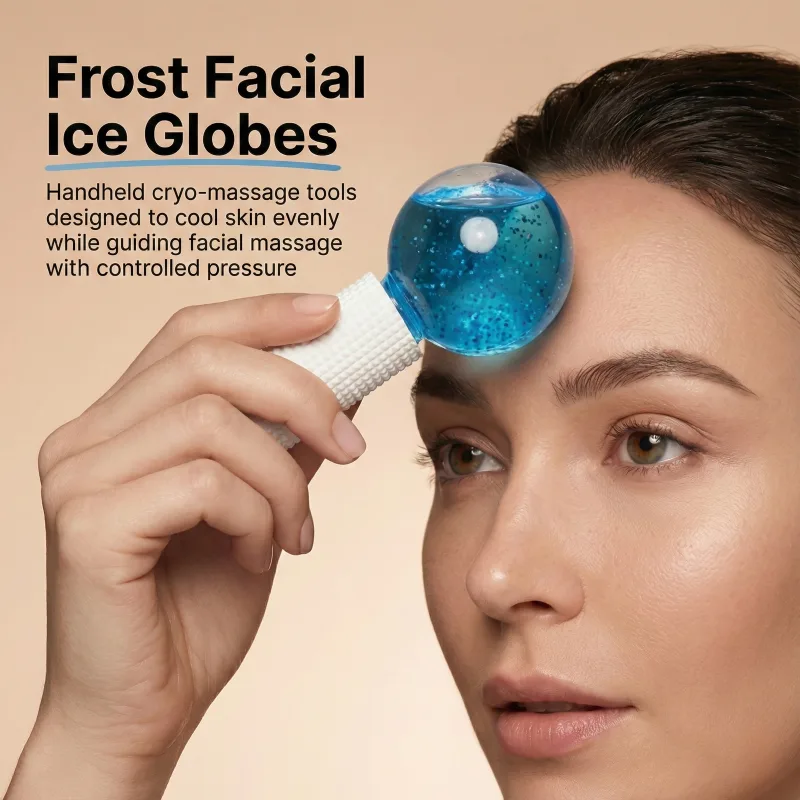
- Calm and protect afterwards. A cool compress or chilled ice globes can soothe warmth. Use a gentle moisturiser, wear SPF daily and avoid strong sun, since tanned skin can't be treated.
Choosing an at-home device
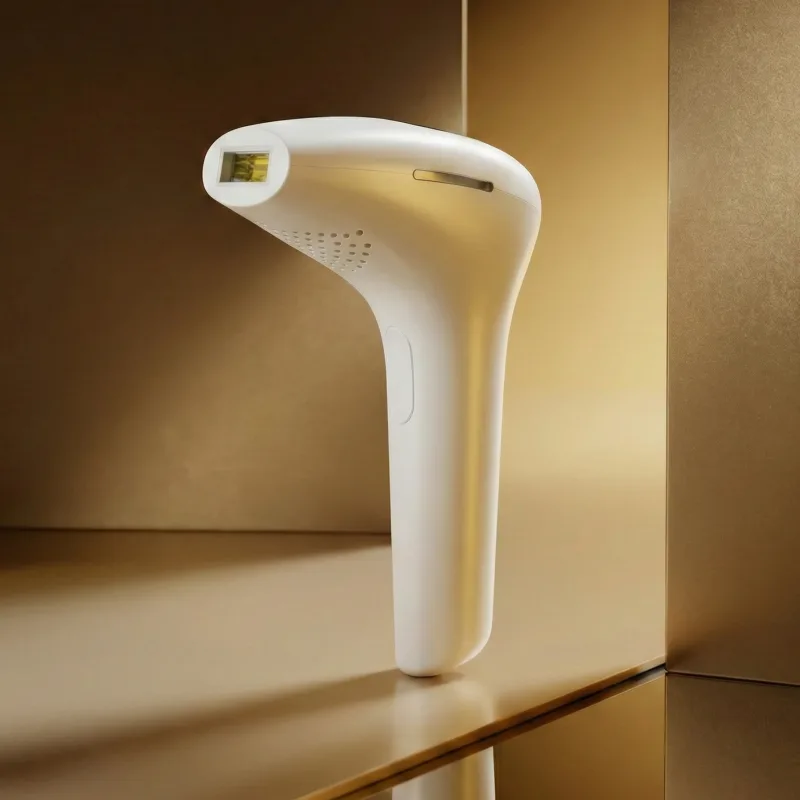
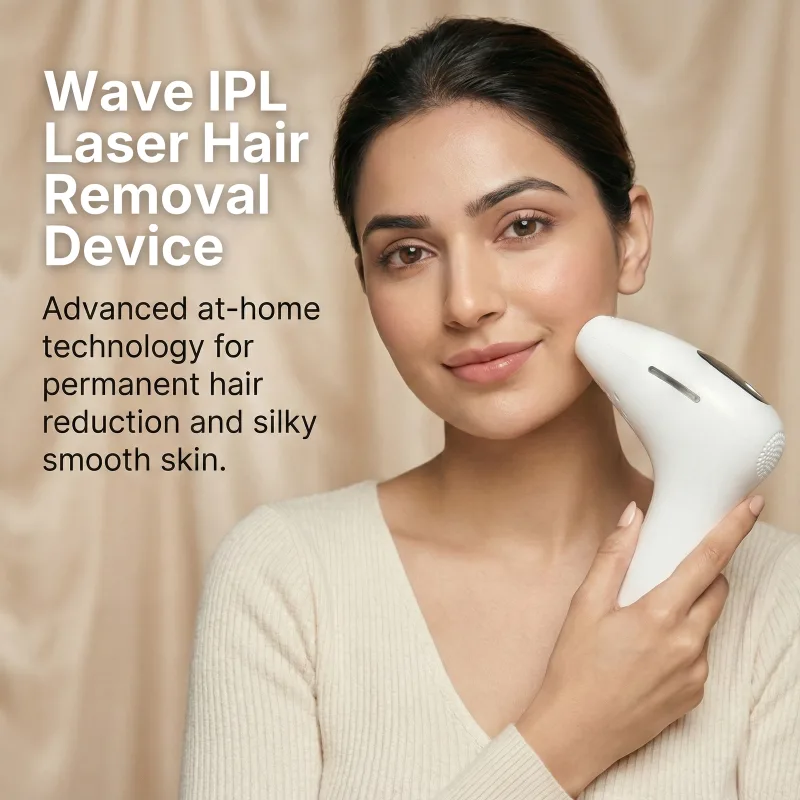
Any at-home IPL you choose should list the skin types and hair colours it suits, and should start on a low level. An at-home IPL device such as the Signaxo Wave IPL suits Fitzpatrick types I–IV (type V only with care and a patch test, not type VI) and works on black, dark brown and light brown hair. It won't do anything for blonde, red, grey or white hairs, and it gives long-term reduction rather than permanent removal. If you'd like help deciding whether your skin and hair are a fit, the Signaxo team can look at a photo on WhatsApp (+91 98116-65715).
What should you do about chin hair between IPL sessions?
This is where many people slip up. When a coarse chin hair pops up two days after a session, the urge to pluck it is strong. But plucking or threading pulls out the root, and the next session then has nothing to aim at.
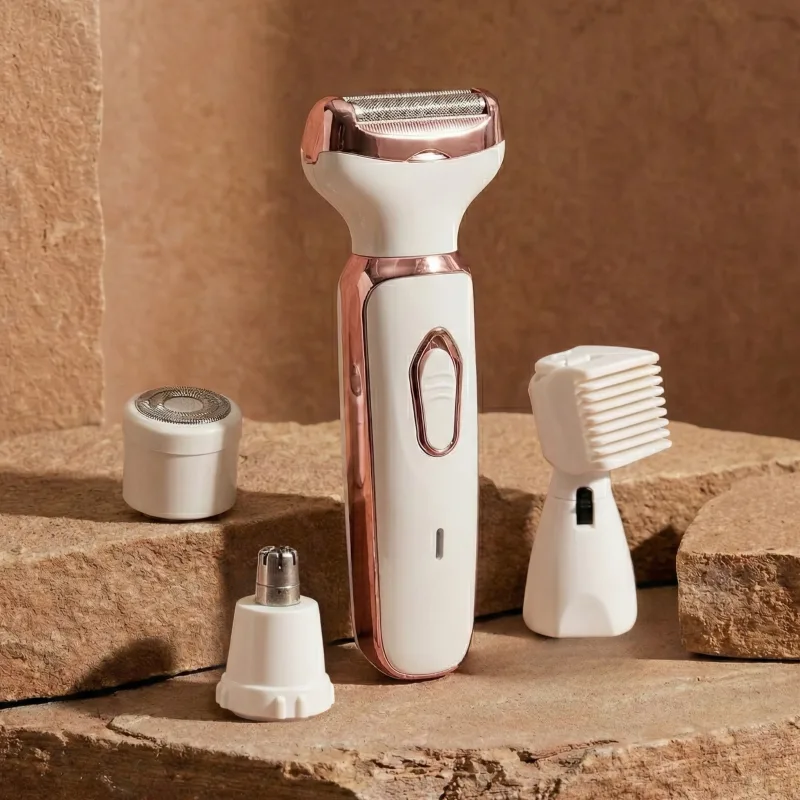
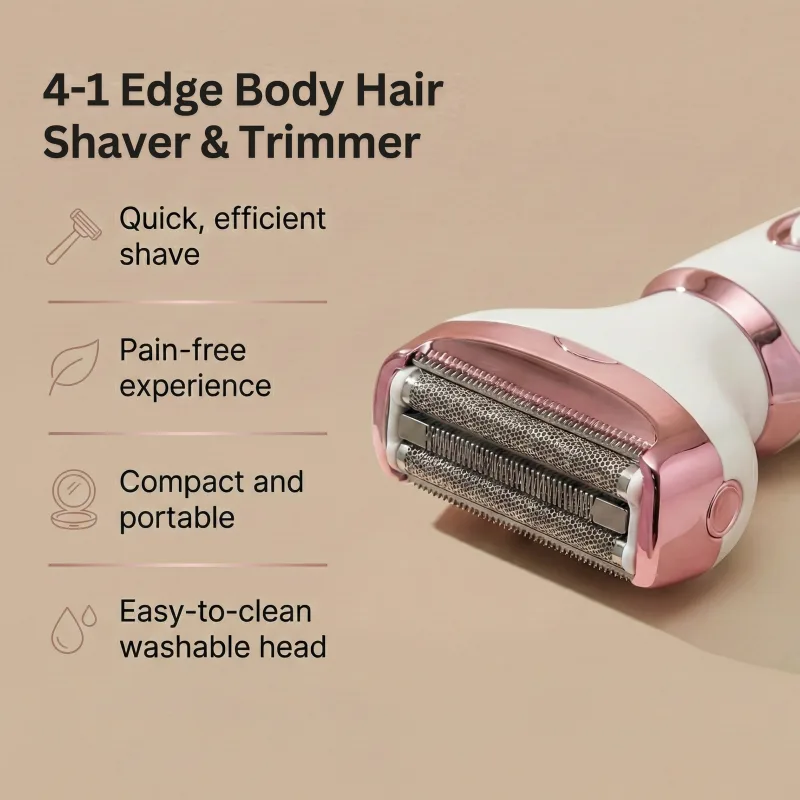
Instead, shave or trim. A small facial trimmer is painless, quick and gentle on skin that is already prone to bumps. The Edge 4-in-1 trimmer has a face head that suits the chin and jaw, which also makes it the right way to prep before each session. Regrowth after trimming usually shows in 2–4 days, which is normal and doesn't mean anything is going wrong.
A few habits help between sessions:
- Trim with the direction of hair growth and hold the skin taut to avoid nicks.
- Keep the chin clean; PCOS-related acne and ingrown hairs often cluster here.
- Wear SPF every day, even in winter, because tanned skin can't be treated.
- Keep a note of your cycle. Some women notice hair grows faster at certain times, and a log helps your doctor too.
For a side-by-side look at every option, from threading to creams, see how to remove facial hair at home.
When should you see a doctor or dermatologist?
Even if you're comfortable managing hair at home, some signs need a proper check-up:
- Facial or body hair that appeared or got much worse suddenly over a few months.
- Other changes alongside it, such as a deepening voice, scalp hair thinning quickly, or very irregular or missed periods.
- Darker, thick, velvety skin on the neck, underarms or jaw.
- Your skin darkens, blisters or stays painful after an IPL session.
- Little or no change after around 8–10 consistent sessions, which can mean your hair or skin type isn't suited, or that hormones need more attention.
A dermatologist can also suggest options for light or grey hairs that IPL can't reach.
If you're just starting, read the full 12-week IPL session plan and check your skin type first. And if you're unsure whether IPL suits your chin hair, send a clear photo to the Signaxo team on WhatsApp; they're happy to give honest advice, including when IPL isn't the right choice.